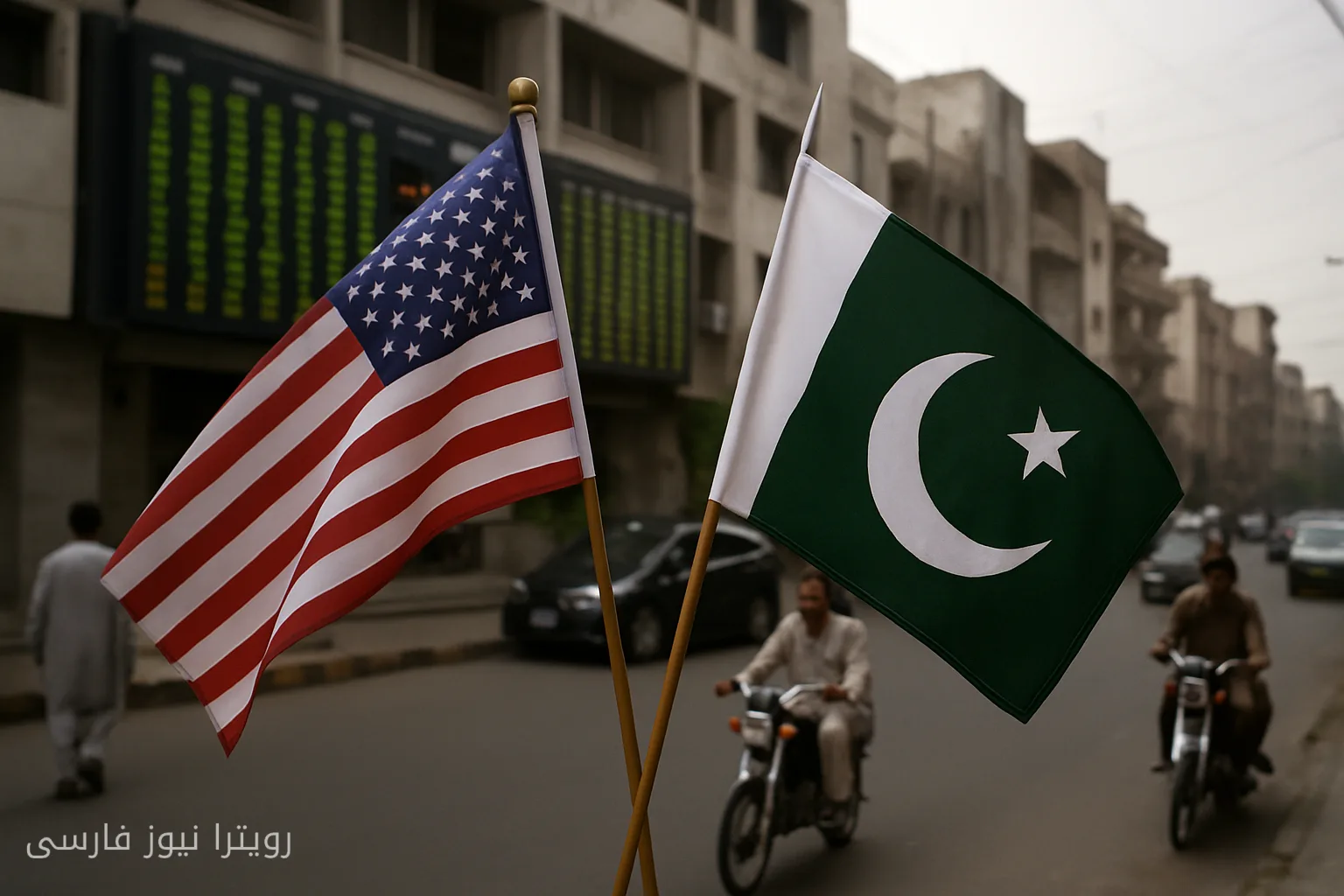
The relationship between Pakistan and the United States, as one of the most complex and turbulent international relationships, has fluctuated significantly over the past few decades. From the bitter events of September 11 to the ongoing tensions in the Middle East, these two countries have always operated in the shadow of their mutual interests.
Brief History of Relations
After September 11 and the terrorist attacks on the United States, Pakistan was introduced as a key partner in the war against terrorism. This cooperation allowed Pakistan to benefit from U.S. financial and military aid. However, this relationship was heavily dependent on the strategic interests of both countries and, for this reason, has always been subject to sudden changes.
In contrast, India's relationship with the United States has been steadily strengthening. India's economic, military, and technological power as a major global competitor allows the United States to enhance its strategies in Asia. Meanwhile, Pakistan, due to internal challenges and political instability, has been unable to capitalize on such advantages.
Current Challenges
Now, in light of recent developments in the Middle East and new wars, Pakistan is facing new challenges. There is a felt need for greater cooperation with the United States in economic and military fields, but trust between the two countries has significantly diminished. This issue has become particularly important in the context of tensions between Iran and the United States, as well as developments in Afghanistan and the Taliban.
In summary, the relationship between Pakistan and the United States is continuously influenced by global developments and the national interests of both parties. While India is considered a strategic and stable partner, Pakistan must make greater efforts to maintain this relationship. The future of these relations, especially in security and economic fields, requires serious attention and new strategies.