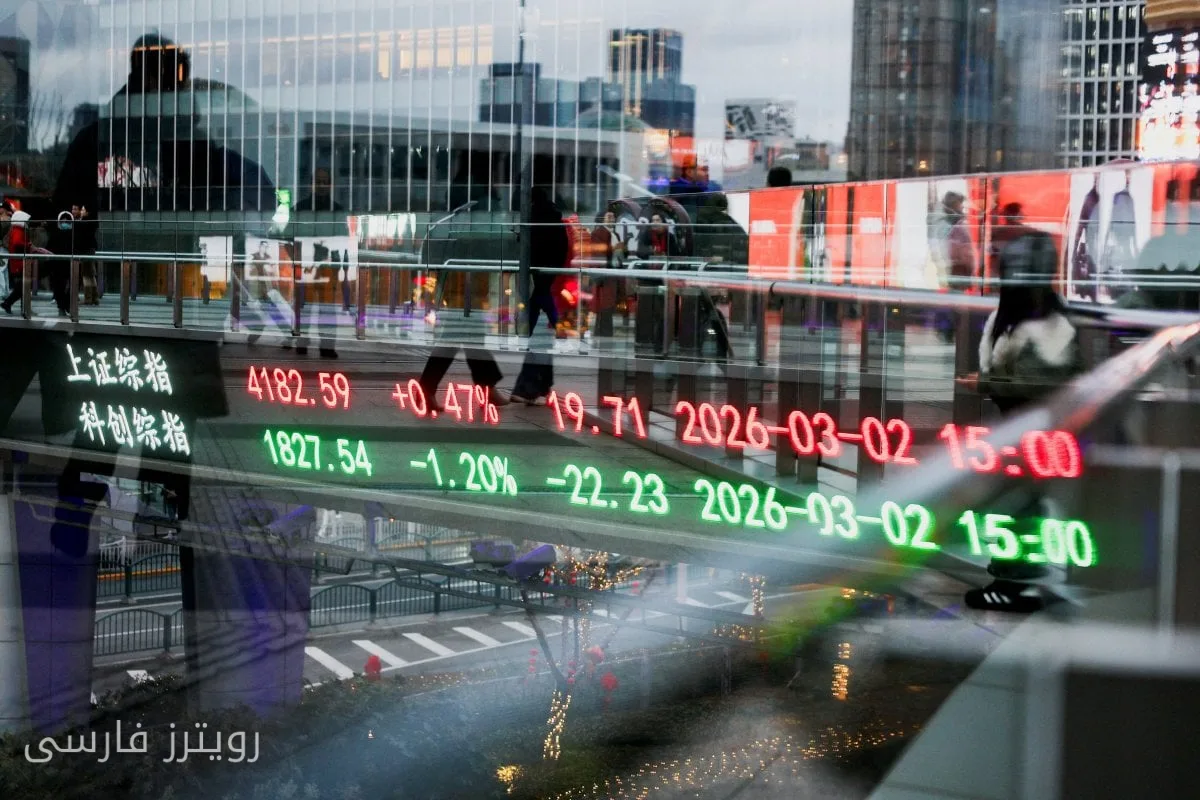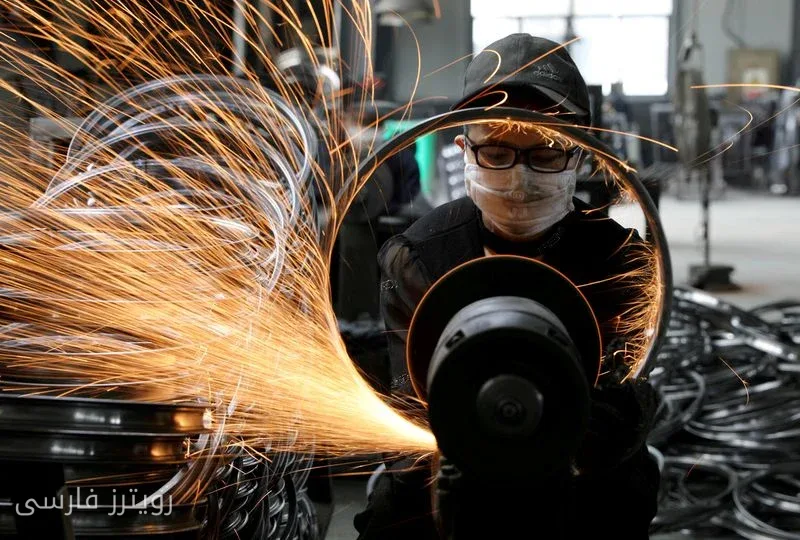
Producer inflation in China revived in August, reaching its highest level in the past six months with a ۴.۲% increase compared to the previous year. This figure represents a new challenge for Chinese policymakers who are trying to maintain balance in their recovering economy.
Economic Challenges and Their Impacts
Rising prices in the supply chain and high raw material costs have put Chinese producers under increased pressure. This increase is actually due to strong domestic demand as well as issues arising from the global supply chain. Price growth, especially in the energy and raw materials sectors, has affected forecasts for China's economic future.
Experts believe that this situation could lead to higher consumer costs and ultimately negatively impact China's economic growth. While the value of the yuan is under pressure due to concerns about inflation and economic growth forecasts, these factors could lead to greater instability in the markets.
Policymakers' Response
The response of policymakers to these trends has always been of interest. Some analysts believe that the People's Bank of China may soon change its monetary policies to help control inflation. These changes could include lowering interest rates or increasing credit facilities to assist producers and consumers.
Overall, the return of producer inflation to an upward trend may indicate the challenges facing China's economy. As global markets are affected by economic fluctuations, China, as a key player in this arena, must find effective solutions to address these challenges.