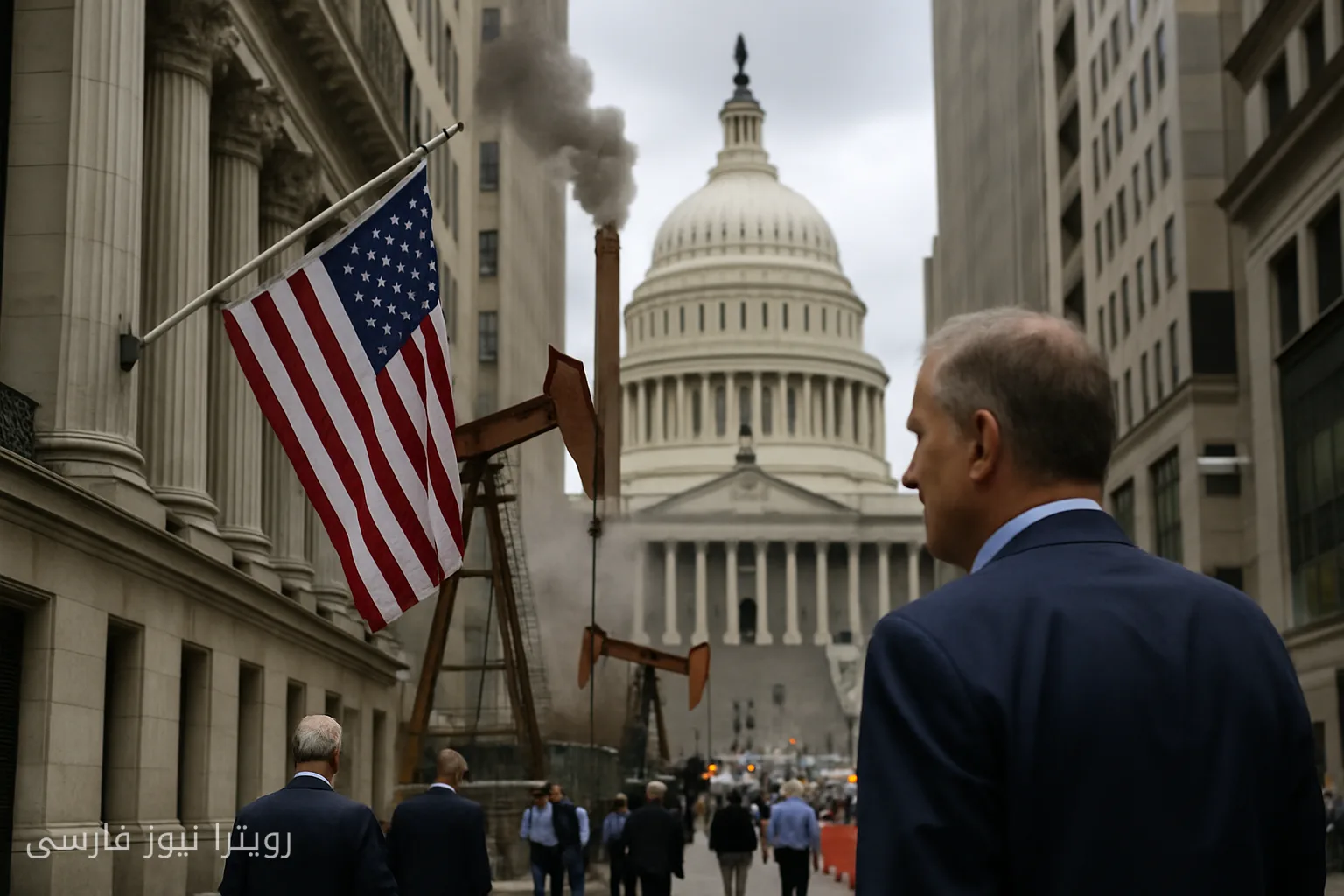
The United States Congress, by passing a new law, has paved the way for increasing tariffs on Russian oil. This law allows the President of the United States to impose tariffs of up to 100% on countries that purchase Russian oil. This action could serve as a new tool to pressure countries buying Russian oil, particularly India and China.
Legal Background
The passage of this law comes in the wake of increasing tensions in international relations and economic strains resulting from wars and global crises. In recent years, the United States has sought to adopt economic measures to reduce dependence on Russian energy resources. This law is seen as part of a broader strategy to exert pressure on the Russian economy.
Economic and Political Consequences
Imposing high tariffs on Russian oil could have profound effects on global energy markets as well as on the United States' trade relations with India and China. India and China, as two major oil-consuming countries, may seek alternative sources for their energy needs in response to this action. These changes could not only benefit the United States but may also lead to increased prices in the global oil market.
Moreover, this action could escalate tensions in trade relations between the United States and these two countries. Given India's and China's dependence on energy resources, these countries may take measures to mitigate the economic impacts of these tariffs. In this context, it is expected that India and China will seek new agreements with other countries to secure their energy supply.
Challenges Facing the U.S. Government
The U.S. government will face numerous challenges following this law. On one hand, there is a need to maintain pressure on Russia, and on the other hand, to manage relations with India and China while safeguarding its economic interests. This balance may be difficult for the U.S. government, especially in a situation where oil prices in the global market are affected by these tariffs.
Ultimately, it remains to be seen whether the President of the United States will utilize this new tool. Using tariffs as a diplomatic tool could have unpredictable consequences in global markets and international relations.
Read more: Decline in Housing Prices in China and Pressure on the Economy