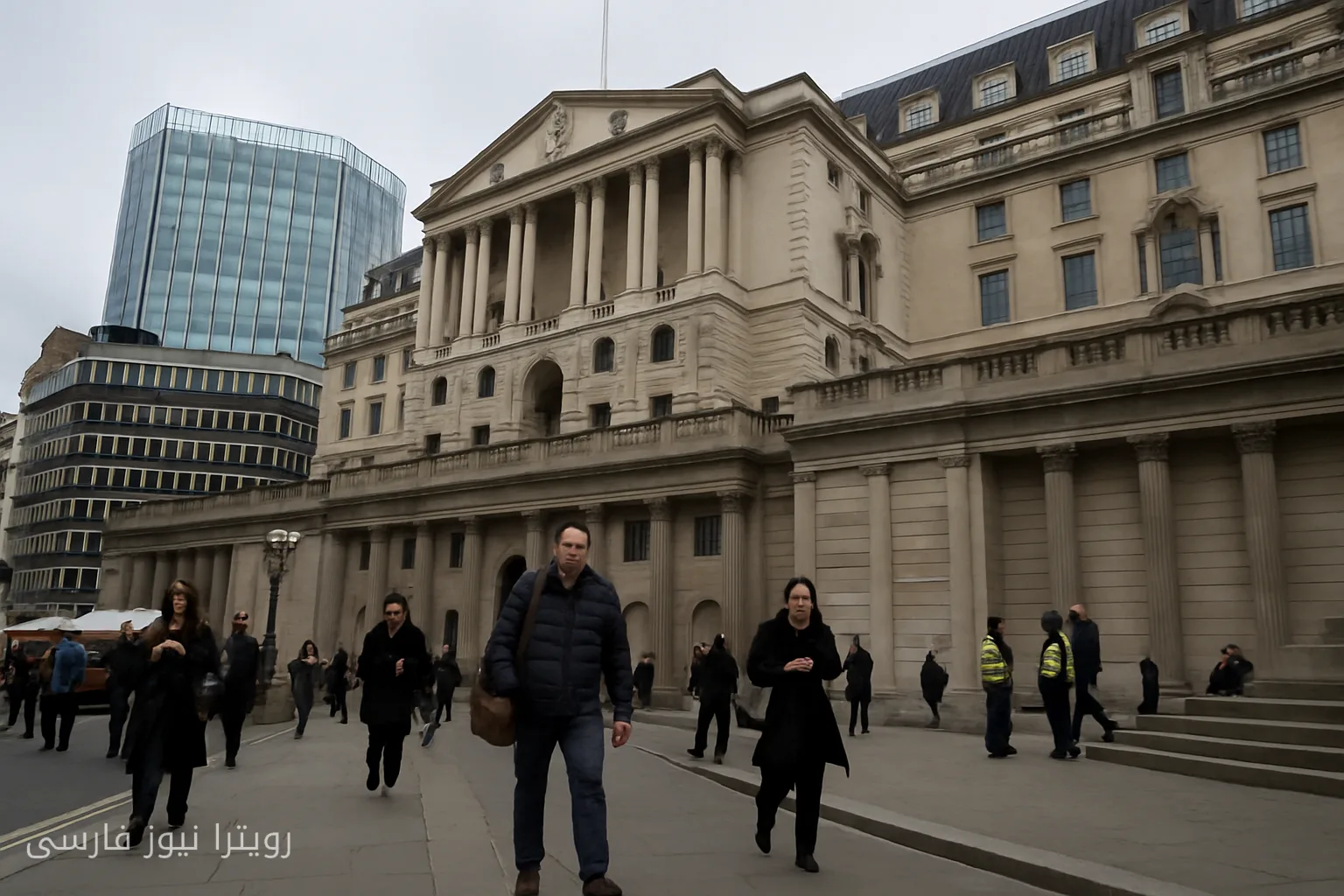
The U.S. Federal Reserve announced its first interest rate hike in three years. This decision was made unanimously by the Federal Reserve's policy committee, but the members were divided on how to proceed with future policies.
Details of the Interest Rate Increase
The interest rate was increased by 0.25 percent to control inflation and support the U.S. economy. This action comes as inflation has reached its highest level in decades, raising concerns about its impact on economic growth. The Federal Reserve aims to restore balance in the financial market and prevent further price increases with this measure.
Reactions from Committee Members
Although the decision to raise interest rates was made unanimously, the committee members were divided on future forecasts. Some members believe that, given positive economic signs and a decrease in unemployment, the Federal Reserve should cautiously move towards further interest rate increases. In contrast, several other members warned about the negative effects of raising interest rates on economic growth and called for greater caution in this regard.
This disagreement among committee members reflects the challenges facing the Federal Reserve in managing monetary policy under current economic conditions. While raising interest rates can help control inflation, it may negatively impact economic growth.
Future Predictions and Consequences
Predictions regarding the Federal Reserve's future policies heavily depend on economic conditions and financial markets. If inflation remains high, further interest rate increases are likely. On the other hand, if signs of slowing economic growth are observed, the Federal Reserve may decide to halt or reduce interest rates.
These developments have also been reflected in financial markets. Following the announcement, stock markets experienced volatility, and investors reacted carefully to economic developments and the Federal Reserve's subsequent decisions. Overall, this interest rate increase could signal a shift in the Federal Reserve's monetary policies, which may have widespread implications for the U.S. economy and other global economies.