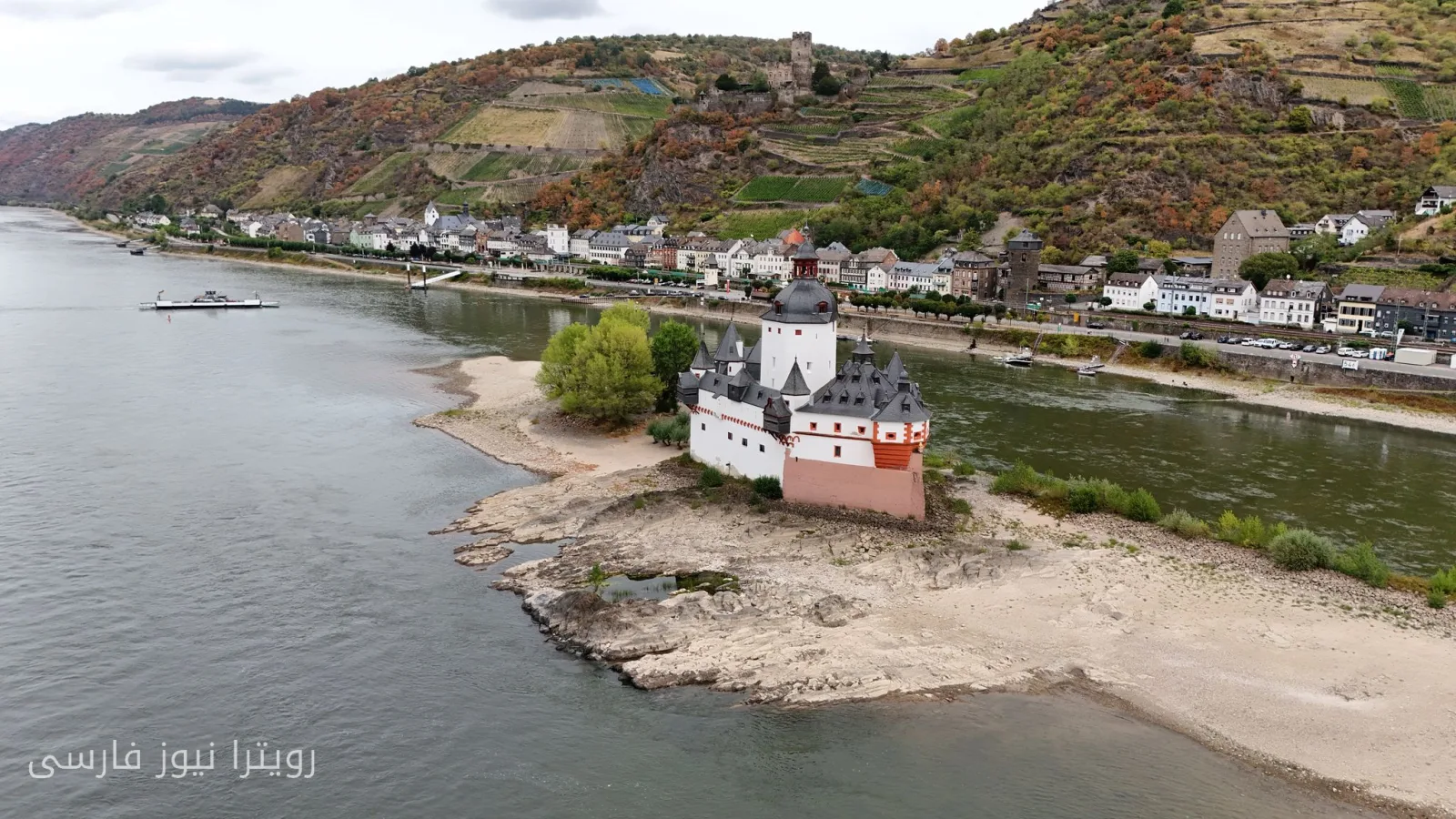
The water level in the Rhine has significantly decreased, and this is not only concerning but could also bring severe consequences for the economy and the environment. Experts warn that the damages resulting from this situation will be "massive."
Economic and Environmental Challenges
The Rhine, as one of the most important and largest rivers in Europe, plays a vital role in the transportation of goods and the supply of water for various industries. However, now that the water level of this river has drastically decreased, these industries are facing serious challenges. The decline in water level can lead to delays in the transportation of goods, increased costs, and even the shutdown of some economic activities.
Moreover, the decrease in water level will have negative impacts on the region's ecosystem. The living organisms that inhabit this habitat are facing serious threats and may encounter reduced water quality and temperature changes. Such changes could lead to the extinction of some species and a decrease in biodiversity.
Future Outlook
Experts believe that if serious measures are not taken to address this crisis, its consequences will soon become apparent. To prevent a disaster, there is a need for international cooperation and careful planning. Additionally, it is essential for governments and responsible institutions to seriously address this issue and provide effective solutions for water resource management and environmental protection.
Ultimately, the future of the Rhine depends on the actions we take today. Can we confront these challenges, or should we expect the devastating consequences?