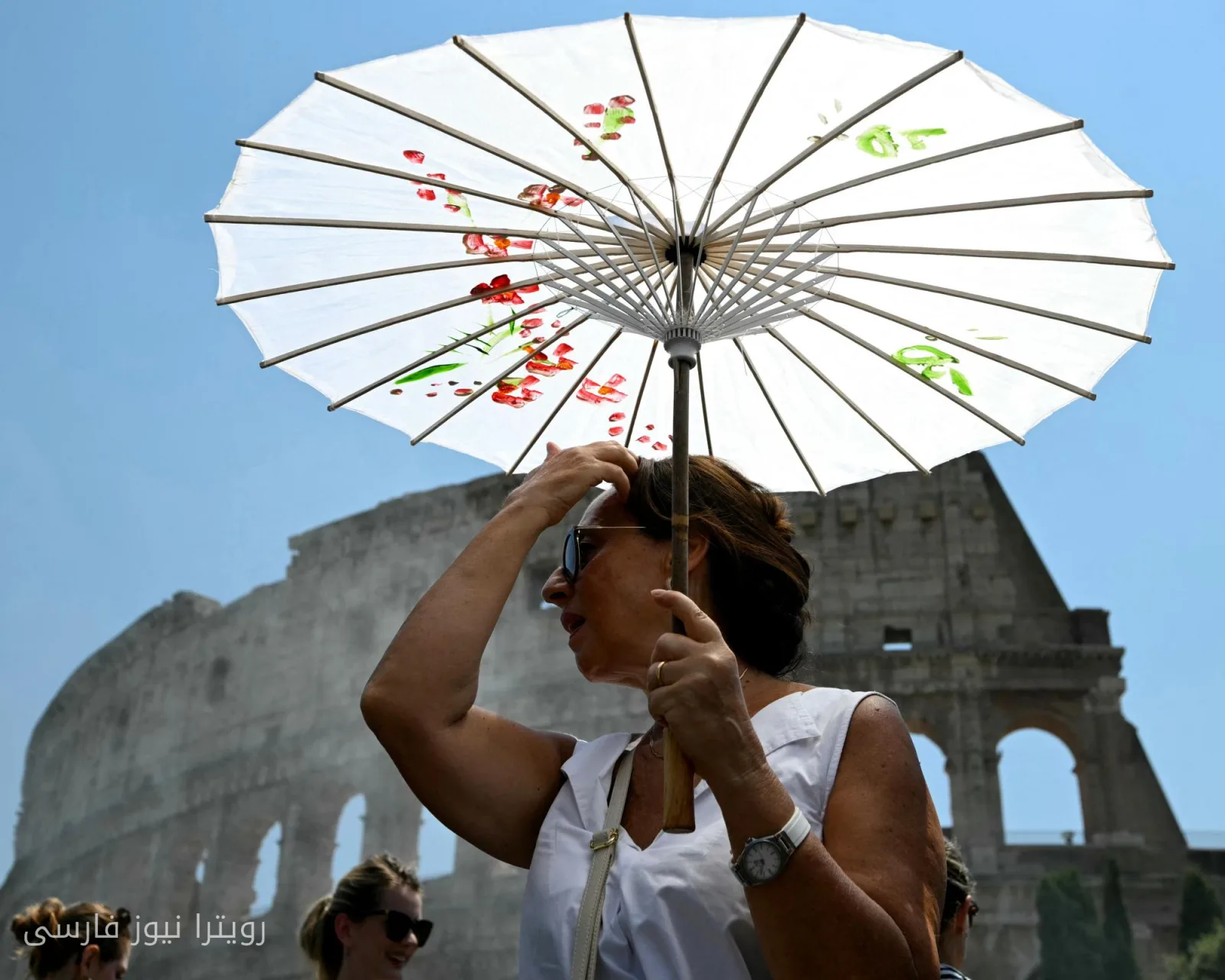
The tourist tax as a new source of revenue has gained significant popularity in many European countries, especially Italy. While England has just stepped into this field and is facing new challenges, Italy has successfully financed its municipalities by leveraging this type of tax.
A New Experience for Tourists
In most tourist destinations in Italy, travelers encounter an additional charge known as the tourist tax when checking out of their hotel or accommodation. For many tourists, this fee can be unexpected and even concerning. However, this tax is recognized as an effective solution for covering public costs and improving urban infrastructure.
Famous cities such as Venice and Rome have utilized this tax to enhance the quality of their services and urban facilities. The revenue generated from this tax is directly allocated to construction projects and infrastructure development, ultimately leading to an improved quality of life for residents and a better experience for tourists.
Challenges and Criticisms
However, there are many criticisms of this type of tax. Some believe that this fee could reduce the number of tourists and, especially in difficult economic conditions, impose an additional financial burden on travelers. In fact, some countries and tourist destinations are trying to maintain their attractiveness to tourists by reducing the rate of this tax.
Ultimately, it seems that the tourist tax in Europe has become one of the key tools for managing municipal finances. While England has just entered this arena and is facing its own specific challenges, Italy, as a pioneer of this method, continues to utilize it and shows other countries how to achieve sustainable development by creating new revenue sources.