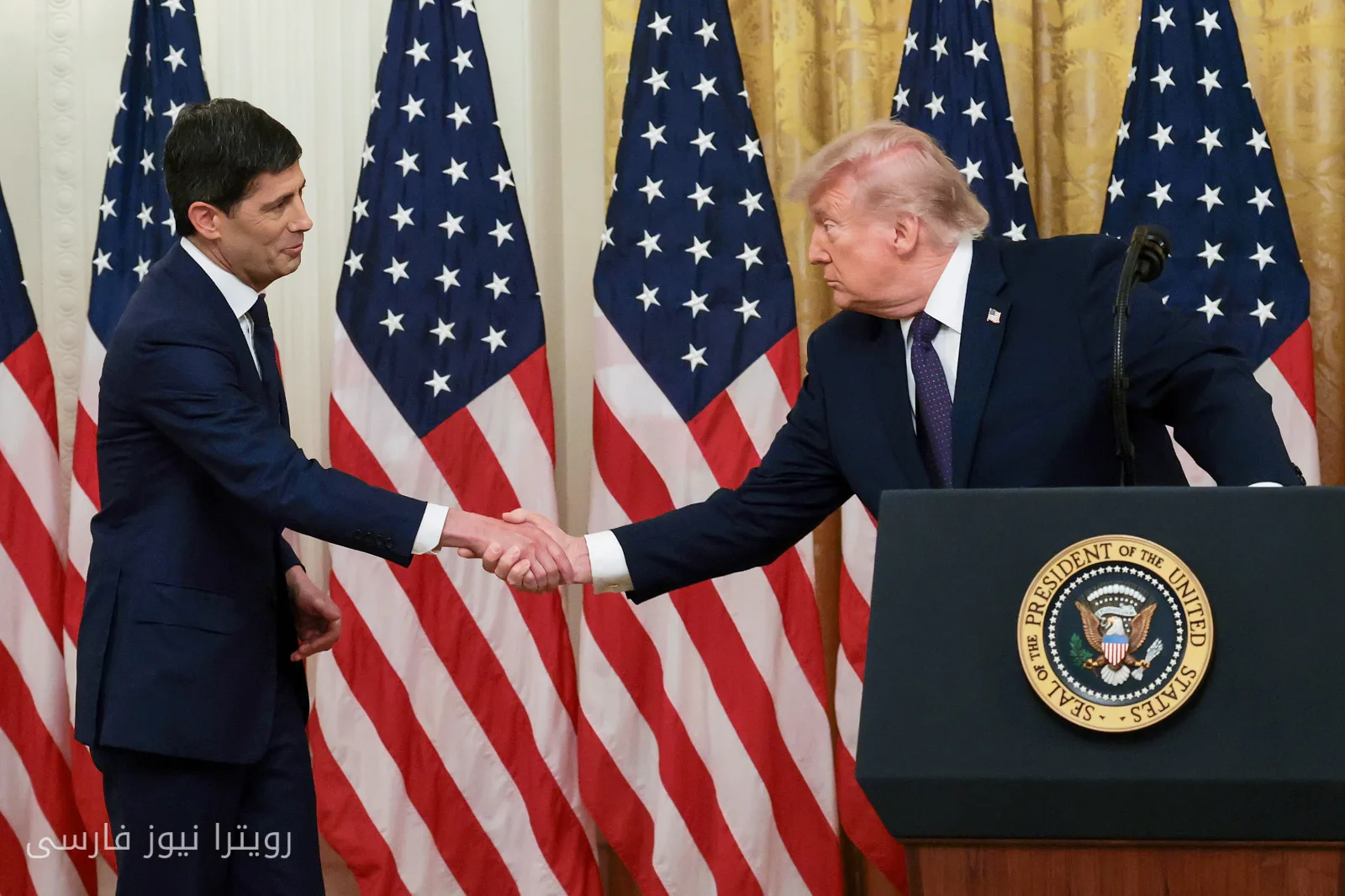
The Donald Trump administration announced on Wednesday that the President advised Kevin Warsh, the Federal Reserve Chair, to vote for an interest rate increase. These comments came as the Federal Reserve voted for the first time in three years to raise interest rates by a quarter percent.
Details of Trump's Advice to Warsh
During a campaign trip to North Carolina for a Senate candidate, Trump told reporters: "I told Warsh to do what you want to do, because it doesn’t matter much and he doesn’t have the votes." This statement was made while other Federal Reserve officials were expected to vote for an interest rate increase.
The President also stated: "The board is very hostile. They are very political and are doing the wrong thing. They are a group of politicians who have been appointed by politicians." In this interview, Trump also noted that he does not expect Warsh to follow his advice and said he wants the Federal Reserve to be independent.
Impact of Interest Rate Increase on the Economy
The interest rate increase by the Federal Reserve is seen as a measure to control inflation and strengthen the central bank's credibility. Analysts believe that this decision could help bolster the Federal Reserve's credibility, especially amid concerns about Warsh's ability to control inflation.
Trump also criticized this decision, saying that the Federal Reserve board raised rates out of hostility towards him: "They raise rates to make me perform the worst." He added: "Their problem is that we have the largest economy in history."
The Federal Reserve is designed to operate independently from the White House and set interest rates based on its own assessments of the economy, not under short-term political pressure. This independence is recognized as one of the cornerstones of the central bank's credibility and is often accompanied by tensions with some presidents, particularly Trump.
Over the years, Trump has called for a central bank that is more responsive to his political agenda and has pressured for steep rate cuts to ease financing costs for growing deficits. Previous administrations have also exerted pressure on the central bank, but its independence is based on federal laws and norms that most recent presidents have been reluctant to test.