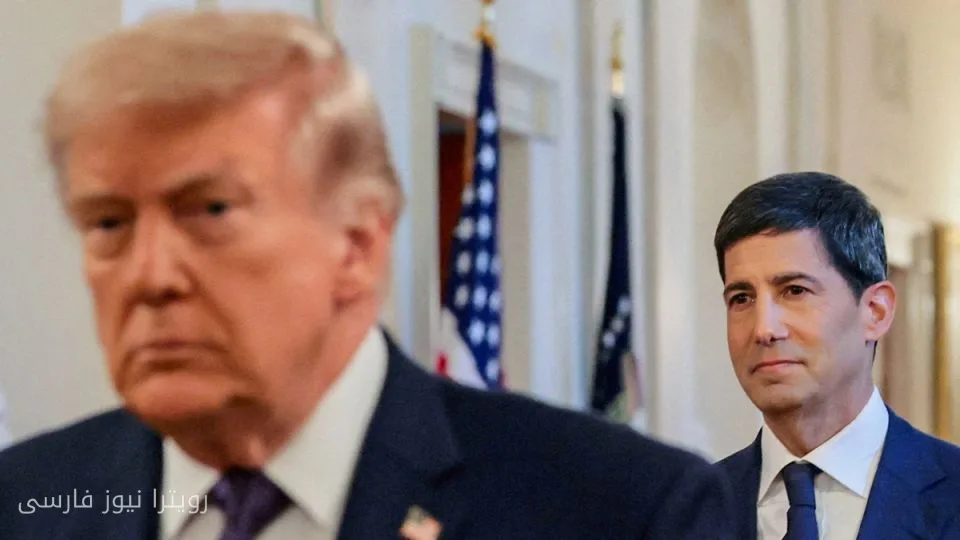
President Donald Trump, with his recent statements about the Federal Reserve's interest rate increase, has once again drawn attention to his complex relationship with this financial institution. On Wednesday, Trump seemed to allow Jerome Powell, the Fed Chair he appointed, to raise rates, despite describing the move as "wrong."
Questions About Powell's Consultations with Trump
Trump told reporters, "I spoke with Jerome and told him it would be better to align with the voting committee because it won't matter... I told him, 'Do whatever you want, because it doesn't matter' since he doesn't have the votes." These remarks have raised many questions about the extent of Powell's consultations with the President. While the Federal Reserve is designed to remain free from political pressures, such statements could undermine confidence in the independence of this institution.
Reactions to Trump's Statements
Some analysts and former officials have reacted with surprise to these statements. Eric Rosengren, former President of the Federal Reserve Bank of Boston, called the remarks "unusual and inappropriate" and emphasized that the Fed Chair does not need the President's permission to raise rates. Meanwhile, Krishna Guha, Vice Chair and Head of Economic Strategy and Central Banking at ISI Group, dismissed Trump's claims, stating that the market clearly indicates that Powell is in control of this decision.
The most dangerous aspect of these remarks is that they may create doubts on Wall Street and reinforce the perception that Powell is not truly independent. This could lead to a reduction in the Federal Reserve's control over market interest rates and significantly increase the costs of mortgage and auto loans.
In response to reporters' questions about his relationship with the President, Powell dodged the inquiries, stating, "I am not a Wall Street newsletter. Part of the Fed's independence is to stay within our lane. Independence is a two-way street." These remarks clearly reflect his efforts to maintain the Federal Reserve's independence.
Ultimately, the relationship between Trump and Powell will be directly influenced by interest rate decisions and their consequences on the markets. Analysts are concerned that if the Federal Reserve under Powell continues to raise rates, pressures from the White House may arise.