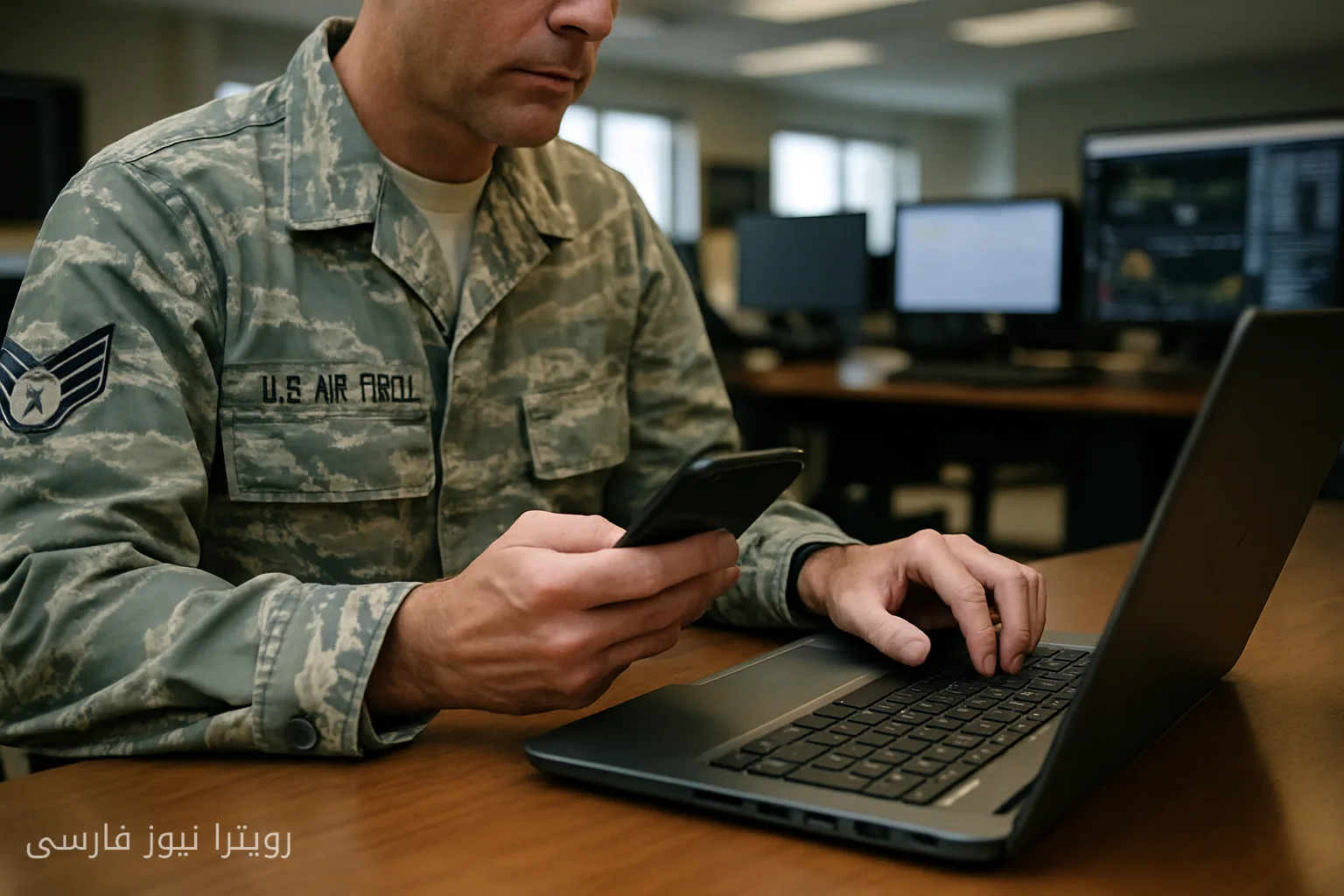
In a controversial and unexpected move, United States Air Forces have disabled advertising identifications on their computers and mobile phones. These changes, which began two months ago, appear to be due to serious security concerns in the Middle East. This action specifically relates to worries about the potential targeting of devices and the collection of sensitive information.
Immediate Actions Against Potential Threats
United States special operations forces have also recently disabled advertising identifications, actions that reflect the severity of concerns regarding security threats. By disabling these identifications, these forces aim to protect their users' information and privacy and seek to prevent the collection of sensitive data.
U.S. military officials have emphasized that this decision was made to adapt to complex security conditions and rapid changes in the technology landscape. Specifically, concerns regarding the enemy's ability to identify military positions and activities through digital devices have prompted this preventive action.
Potential Consequences of This Action
With the disabling of advertising identifications, many questions have arisen regarding the implications of this action for the general public as well as for U.S. military and security forces. Is this change merely a temporary measure or a sign of larger shifts in U.S. cybersecurity strategies?
This decision has been made amid increasing cyber and security threats, necessitating a more thorough analysis of existing risks. It seems that U.S. military forces are striving to prevent potential vulnerabilities by taking these preventive measures.