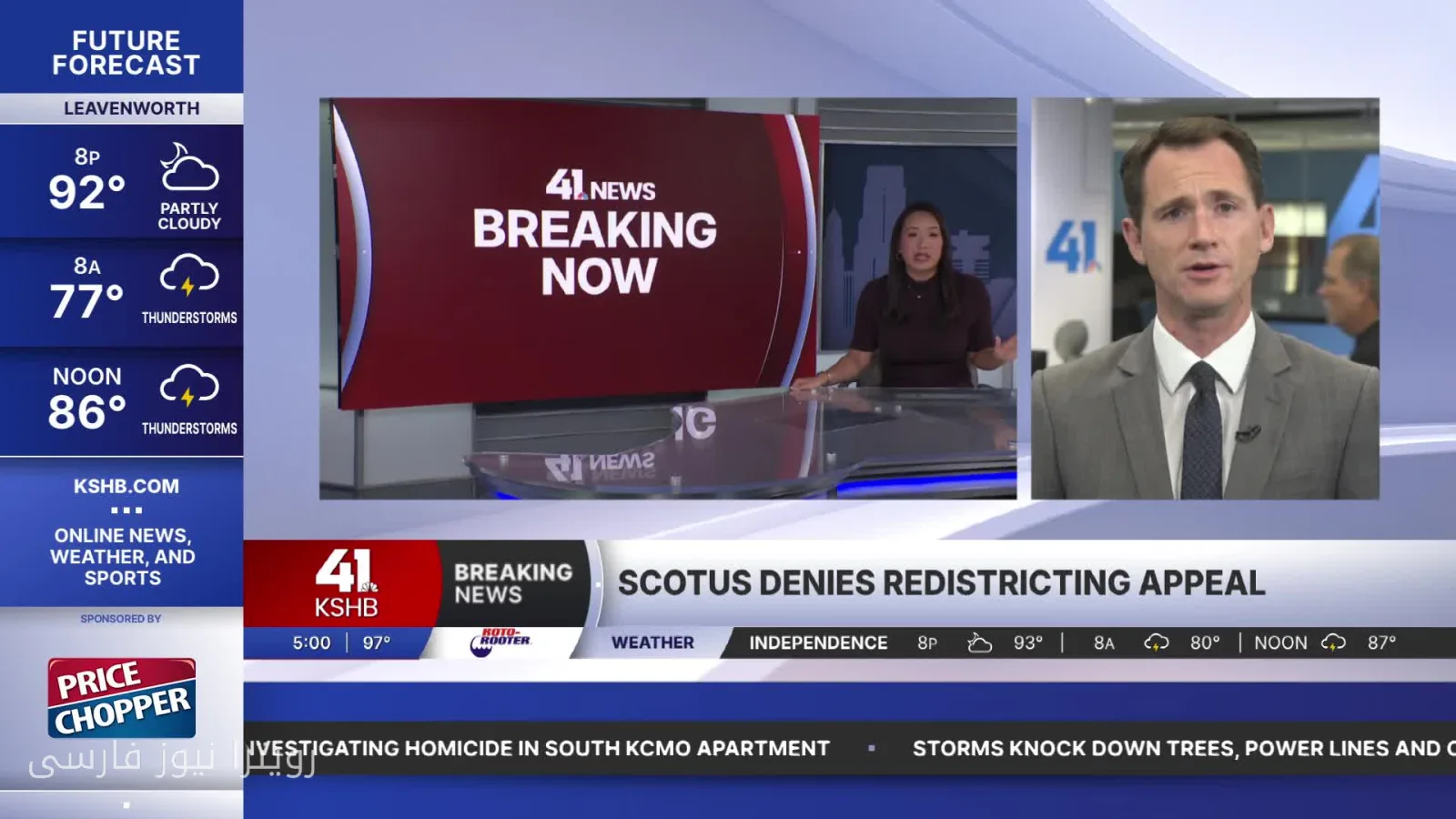
In a controversial decision, the U.S. Supreme Court did not approve the election maps drawn by Republicans in Missouri, thereby affecting the course of future elections in the state. This decision is considered a major defeat for Republicans who were hoping to use these maps to improve their position in the upcoming elections.
Legal and Political Implications
This decision will not only affect the elections in Missouri but could also serve as a strong signal for other states attempting to draw their own election maps. While Republicans are trying to increase their political power through changes in electoral boundaries, the Supreme Court has shown with this decision that oversight of these changes and ensuring electoral fairness remain a priority.
Legal experts believe that this ruling could be seen as a turning point in the history of electoral law in the United States. Many political observers argue that this action could strengthen democracy and ensure fairer representation among various social groups.
Reactions to the Ruling
Following the announcement of this ruling, varied reactions emerged from political and social figures across the country. Some Republican officials harshly criticized the decision, viewing it as an attempt to undermine their political power. In contrast, supporters of democracy and social justice regarded this decision as a sign of progress towards a fairer electoral system.
Given the proximity of the elections, this ruling could have profound effects on the political landscape of Missouri and even at the national level. Meanwhile, many questions remain about the future of election maps and how they will be shaped.