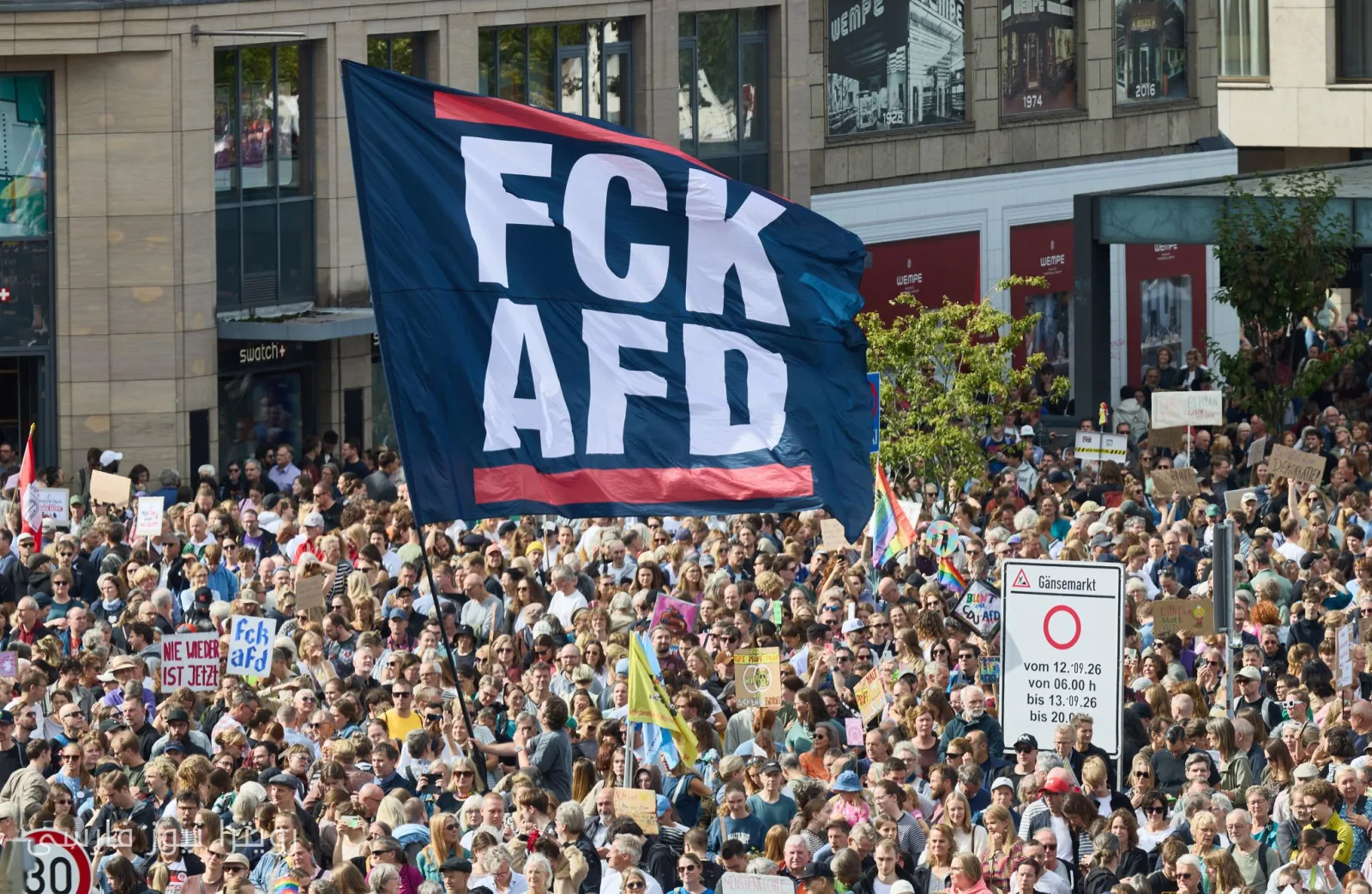
Following the significant victory of the far-right party "Germany for the Future" (AfD) in the recent local elections, hundreds of thousands across Germany took to the streets to express their opposition to this outcome. These developments not only reflect public dissatisfaction with the current government's policies but also sound a serious alarm for democracy in the country.
Widespread Reactions to AfD's Victory
Protests were held in several major cities, including Berlin, Munich, and Hamburg. Protesters chanted slogans against the right-wing and racist policies of the AfD, calling for the preservation of democratic and human values in German society. Many protesters objected to the tightening of immigration policies and the disregard for minority rights.
Many analysts believe that these developments indicate a growing influence of extremists in Germany and consequently, in Europe. The AfD, known for its anti-immigration policies and racist positions, has increasingly succeeded in local and national elections in recent years.
Is Germany's Political Future at Risk?
The recent elections and widespread protests have raised serious questions about Germany's political future. Can traditional parties cope with these challenges? Or will extremists gradually gain more control over the country's policies?
Given the rising support for the AfD, it seems that Germany is on the brink of a major change. These developments are likely to have profound impacts on the country's domestic and foreign policies, raising serious concerns about democracy and human rights in Germany and beyond.