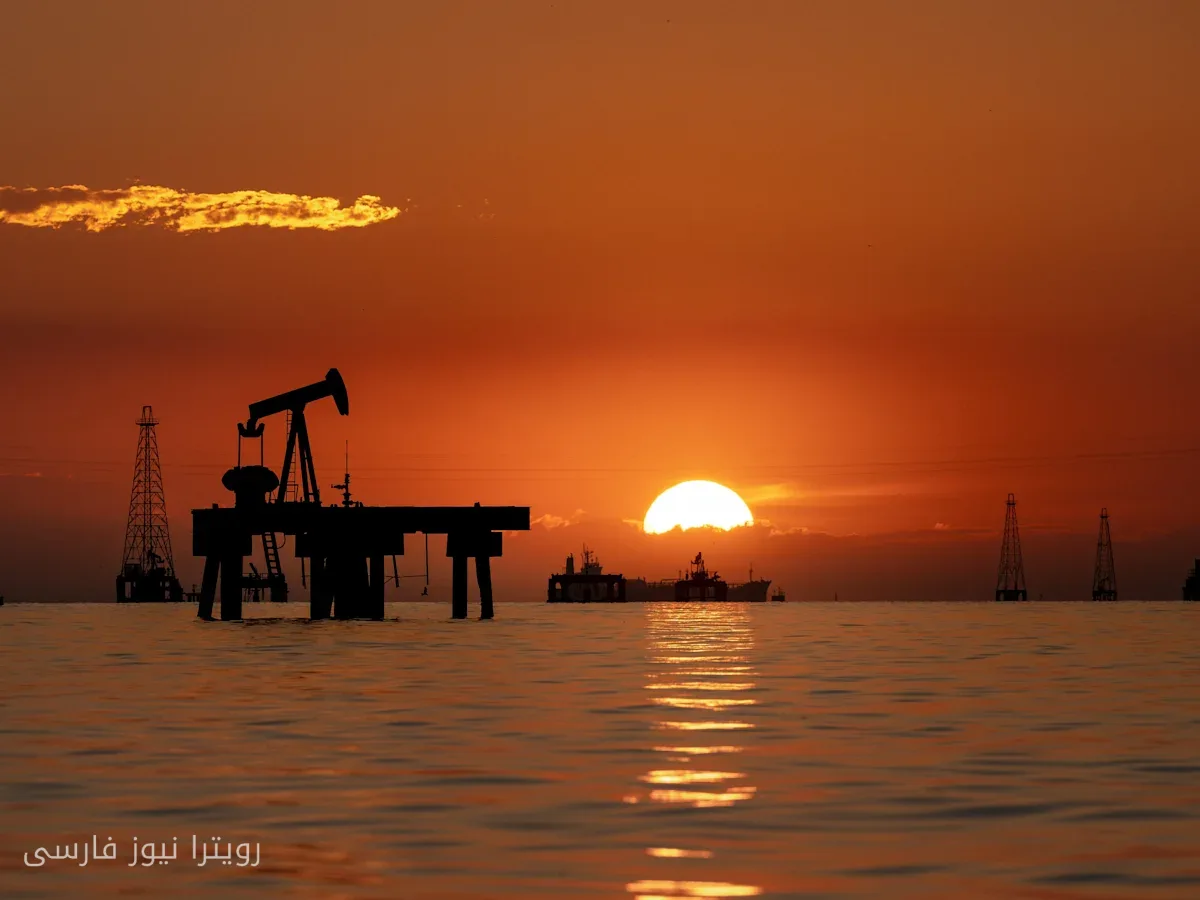
The global oil crisis, due to recent political and economic tensions, has become a major challenge for financial markets. Wall Street, which has always been known as a leader in financial predictions, has now concluded that a quick end to this crisis is not in sight. Analysts believe that multiple factors are at play in this trend, and it seems that this problem is deeper than initially thought.
Factors Affecting the Oil Crisis
One of the main reasons for this uncertainty is the unprecedented fluctuations in crude oil prices, which are influenced by political and economic developments. These fluctuations not only affect prices but have also led to distrust among investors. Given the new sanctions and geopolitical tensions, predicting the future of oil markets has become a complex matter.
Moreover, demand for oil is on the rise, but supply continues to face serious challenges. As many countries are striving to improve their economic situations, demand is expected to continue increasing in the near future. This situation could put additional pressure on the markets and fuel rising oil prices.
Repercussions for Global Markets
These challenges are not limited to the oil sector but can also impact other economic sectors. Oil price fluctuations can affect transportation costs, production, and ultimately the prices of goods and services. As a result, global markets must prepare for significant changes.
However, some experts believe that immediate actions and careful planning can help mitigate the negative effects of this crisis. But the question remains whether decision-makers can act quickly or if this crisis will continue.