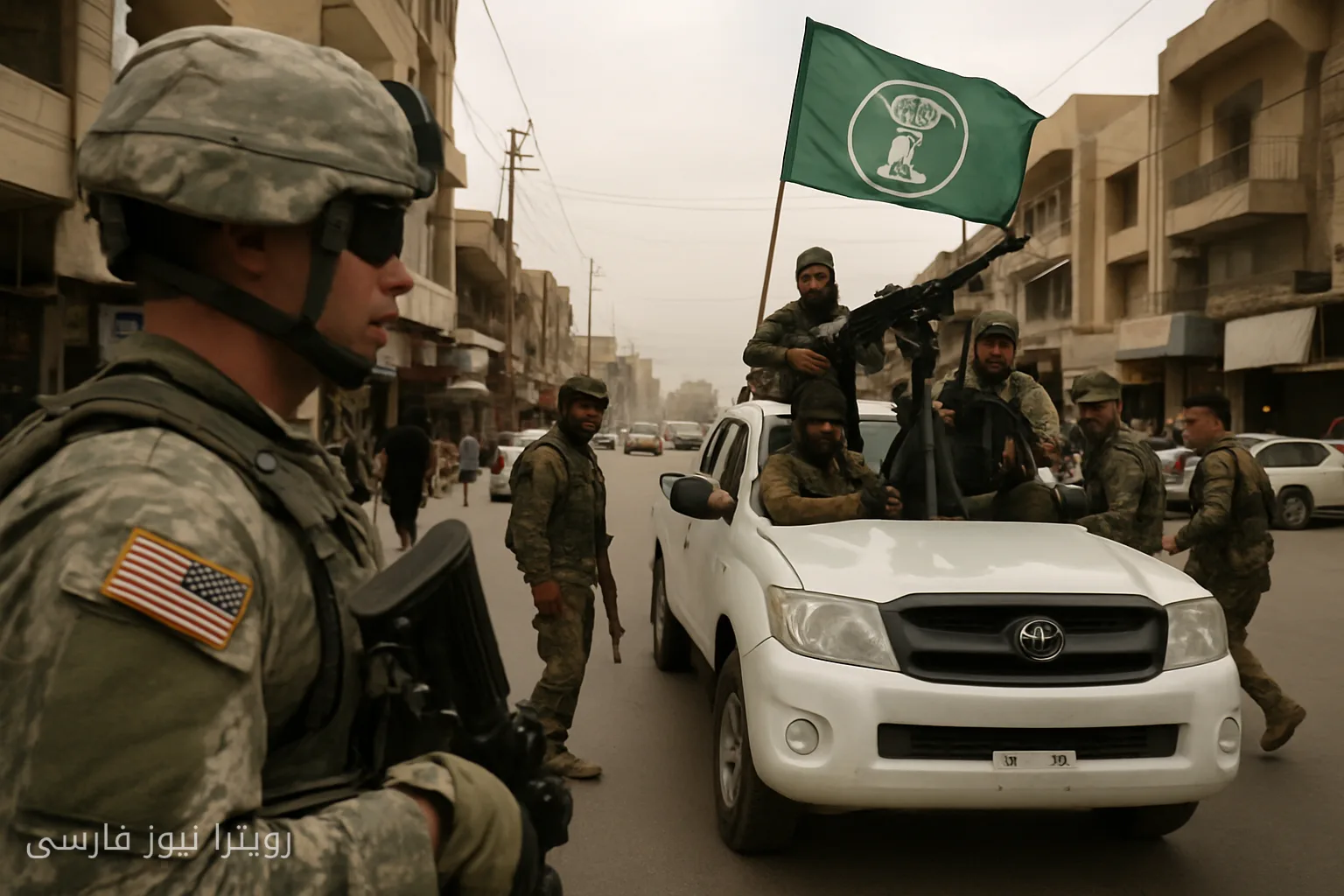
In recent years, Iraq has been recognized as a key U.S. ally in the Middle East, but there are many challenges regarding the disarmament of Iranian militias in the country. The Iranian-backed militias, known as the Quds Force, not only influence Iraq's policies but also exacerbate internal conflicts and regional tensions.
Internal Challenges and External Pressures
Iraq faces a series of internal challenges that hinder the disarmament of these groups. Political and economic weaknesses, the absence of a strong military force, and social instabilities prevent the Iraqi government from effectively confronting these militias. At the same time, external pressures from Iran and other regional countries restrict the Iraqi government's decision-making.
The militias, claiming to defend Shia interests, operate as an independent force in Iraq, making it difficult for the government to disarm them easily. Many Iraqis also trust these groups and see them as a protective force against external threats.
Consequences of Non-Disarmament
The failure to disarm these groups not only benefits Iran but could also weaken the U.S. position in Iraq. This situation may lead the Iraqi people to feel dissatisfied with the U.S. military presence in their country, gradually increasing public support for these forces. As a result, Iraq's security and stability are jeopardized, and tensions in the region escalate.
Overall, disarming Iranian militias in Iraq is a multifaceted dilemma that requires close cooperation between the Iraqi government and its allies. Without a comprehensive and sustainable strategy, this challenge is likely to persist and negatively impact the political and security situation in the country.