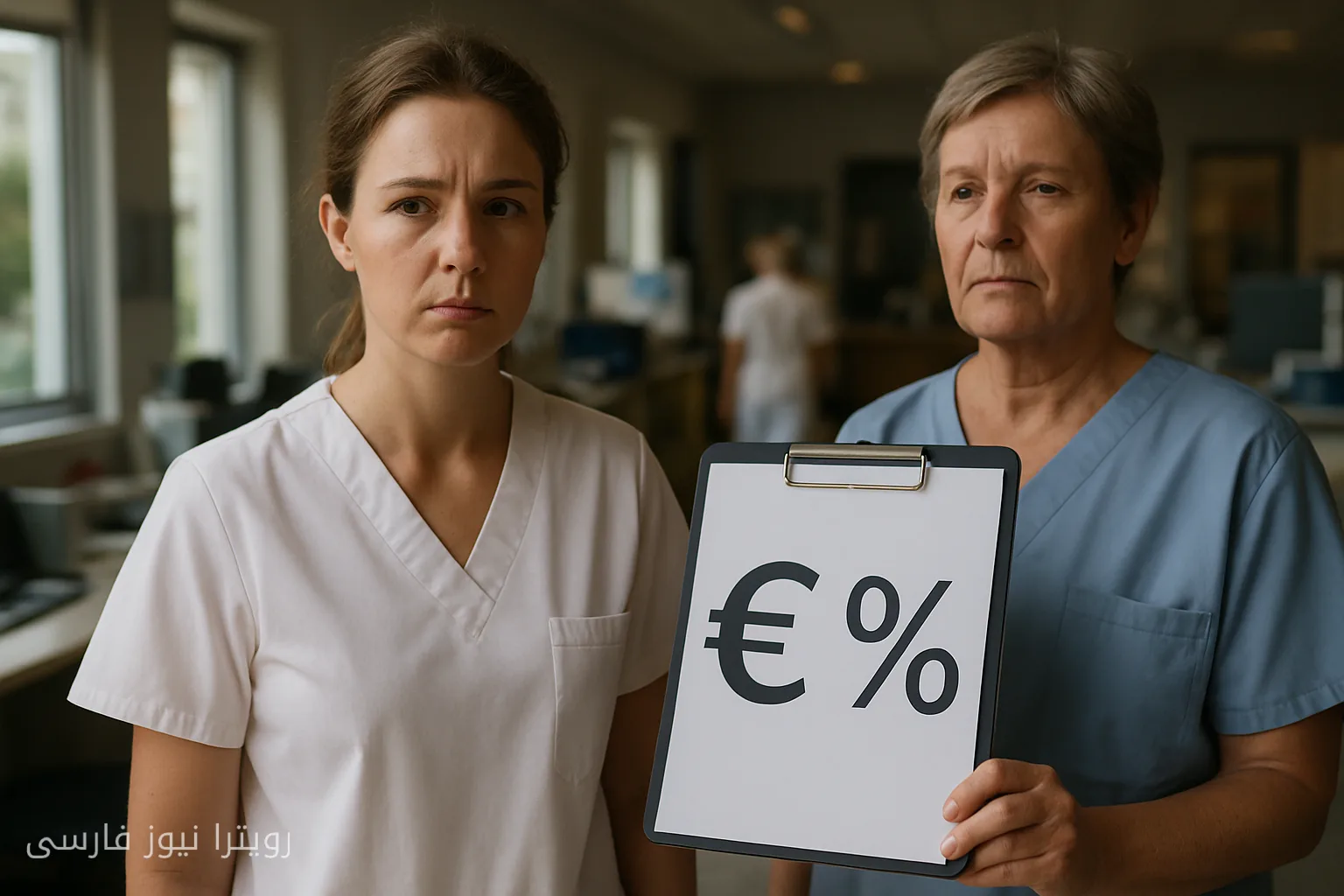
The World Health Organization (WHO) has warned in a recent report that women working in the health sector in Europe, a sector where they make up the majority of the workforce, earn on average 19% less per hour than men.
Labor Force Status in the Health Sector
The health and care sector is the fourth largest employer and the largest employer of women in the European region of the World Health Organization. Women make up 77% of the workforce in the health sector, while their share in all other sectors is 45%. However, only 55% of the highest-paid workers in this sector are women.
Natasha Azopardi Muscat, Director of Health Systems at the WHO Regional Office for Europe, stated: "Women are a significant part of those who keep health systems in Europe running, yet their pay is less than their male counterparts; a gap that accumulates over a lifetime of work."
Gender Pay Gap
The gender pay gap, which is the difference in average earnings between women and men in employment, is largest at higher wage levels. This gap varies from 2% among the lowest-paid workers to over 22% at the highest wage levels. This sector holds special importance for women's employment; it accounts for nearly 17% of total women's employment, while this share for men is only 5%.
These findings echo the pattern recorded in the broader labor market; a worsening structural inequality that intensifies at higher wage and seniority levels. Globally, the situation in the health sector is similar to that in Europe; women working in this field earn on average 24% less than men.
The roots of this difference relate to work-related factors such as age, education level, sector of employment, and type of employment. However, the remaining portion of the pay gap cannot be explained by any of the indicators available in the data. Azopardi Muscat explained: "Most of this gap is not related to women working less, being younger, or being in different sectors of the health system; it relates to how women's work is valued in this sector."
According to the World Health Organization, this report points to deeper structural factors, including the undervaluation of care work and potential discrimination in pay-setting practices. This inequality can have significant economic and social implications.
Azopardi Muscat concluded: "Reducing gender pay gaps is both a justice imperative and a form of investment in creating a stronger and more sustainable health workforce."
Read more: Alcohol and Sudden Deaths: A Worrying Pattern in Adults Under 55