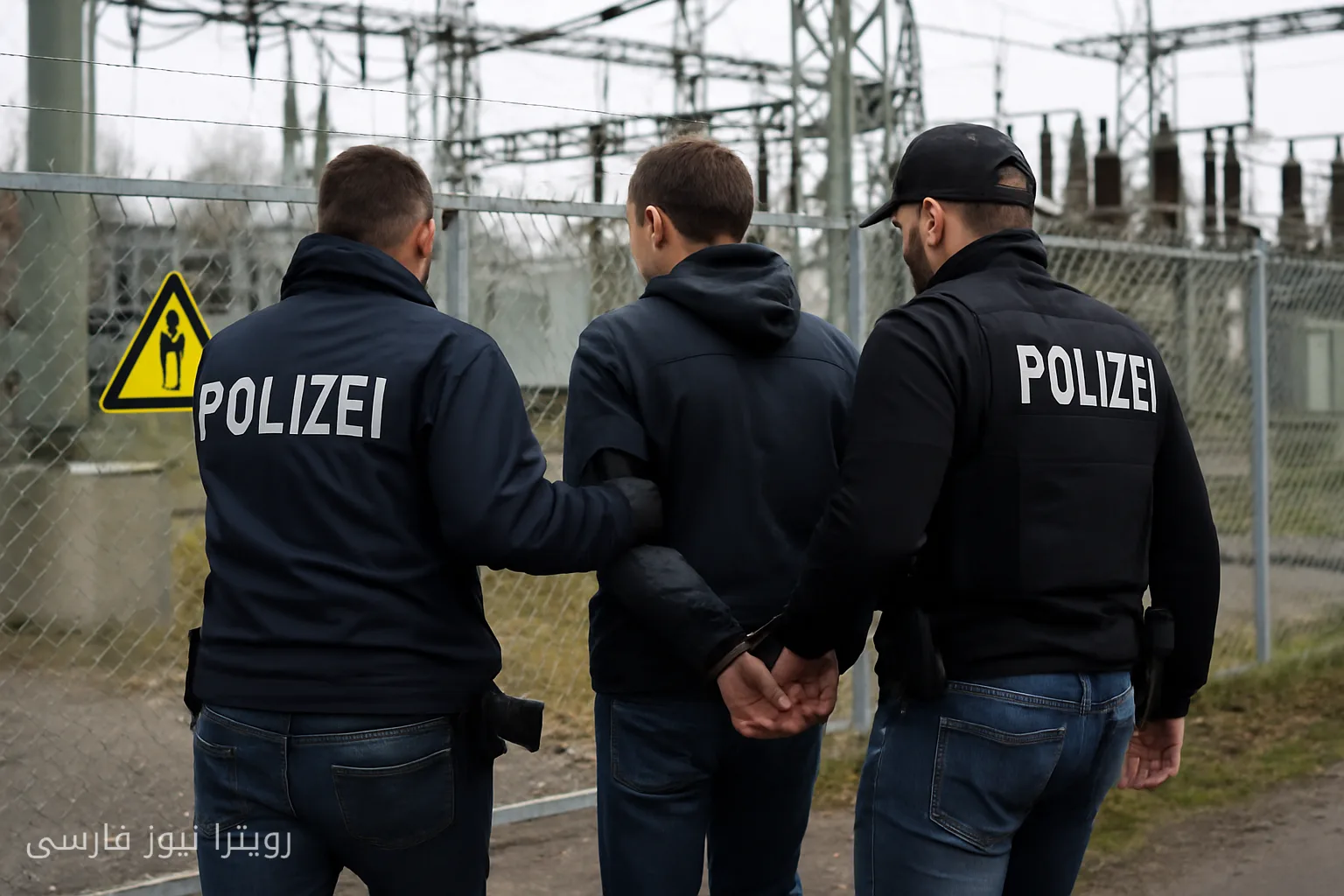
In a controversial development in Germany, a suspect accused of recent attacks on the country's power facilities has been arrested by security forces. This individual, who has taken responsibility for the attacks in letters to officials, appears to have been attempting to create some form of disruption in the country's power supply.
Attacks on Power Facilities
These attacks, which have occurred in recent weeks, have raised serious concerns among the German public and officials. Power facilities, as one of the critical infrastructures of any country, are always protected, and any disruption in their operation can have widespread consequences. However, this suspect has clearly referenced the reasons for carrying out these attacks in his letters, which has itself become a controversial and debated topic.
Consequences and Implications
The German government, expressing concern over this situation, has emphasized that the security of infrastructures must be prioritized and that immediate actions will be taken to prevent the recurrence of such incidents. Security experts also believe that such attacks could pose a serious threat to the national security of the country. Currently, the case against this suspect is under investigation, and given his confessions, severe legal actions may be taken against him.
Overall, the recent events in Germany highlight serious challenges in infrastructure security and the need to strengthen protective measures. This issue becomes even more significant in the current context of rising global tensions.