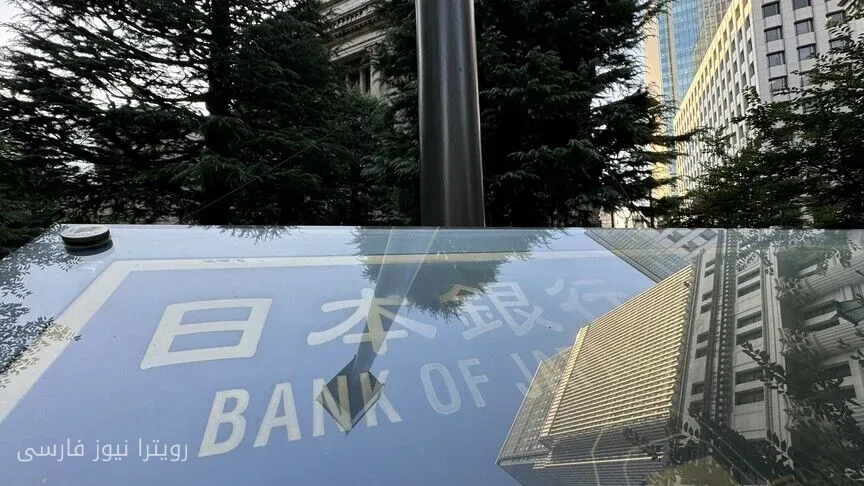
The Bank of Japan (BoJ) is preparing to raise its policy interest rate by 25 basis points from 1% to 1.25%, which, if realized, will be the highest rate in the past 31 years. This decision is made in response to rising energy costs and concerns over inflation and the declining value of the yen.
Inflationary Pressures from Geopolitical Tensions
Current tensions in the Middle East, particularly the conflicts between the United States, Israel, and Iran, have imposed significant inflationary pressures on the Japanese economy and other major economies worldwide. This has led to an increase in inflation expectations and heightened forecasts for tighter monetary policies from the Bank of Japan.
In this context, the Consumer Price Index (CPI) in Japan increased by 1.9% in July compared to the previous year, marking the fastest growth since December 2025. Additionally, Japan's economy grew by 1.4% in the second quarter of this year, exceeding initial estimates.
Challenges and Future Predictions
Reports indicate that gas supplies in the Strait of Hormuz, due to geopolitical risks, have exacerbated inflationary pressures in Japan. Some analysts expect that the core inflation rate will exceed 2.5% in the second half of this year, while nominal wages have also increased by 4.7% year-on-year.
According to Sadi Kaymaz, an analyst in Asian markets, the Bank of Japan may raise interest rates for the third time in less than 10 months. He also noted that members of the Bank of Japan believe that the pace of rate increases depends on economic data, with the main focus being on inflation.
Kaymaz also added that while the growth variable is not strong, government spending acts as the main driver of growth, and private consumption remains stagnant. Therefore, there is a possibility of another rate increase by January 2027, which many economists have predicted.
Finally, Kaymaz noted that a rapid increase in rates could attract Japanese capital back to the country. He also pointed out that Kazuo Ueda, the Governor of the Bank of Japan, is not expected to signal frequent rate increases, as such a commitment could create volatility in the yen and bond markets, and thus, he expects Ueda to remain cautious.