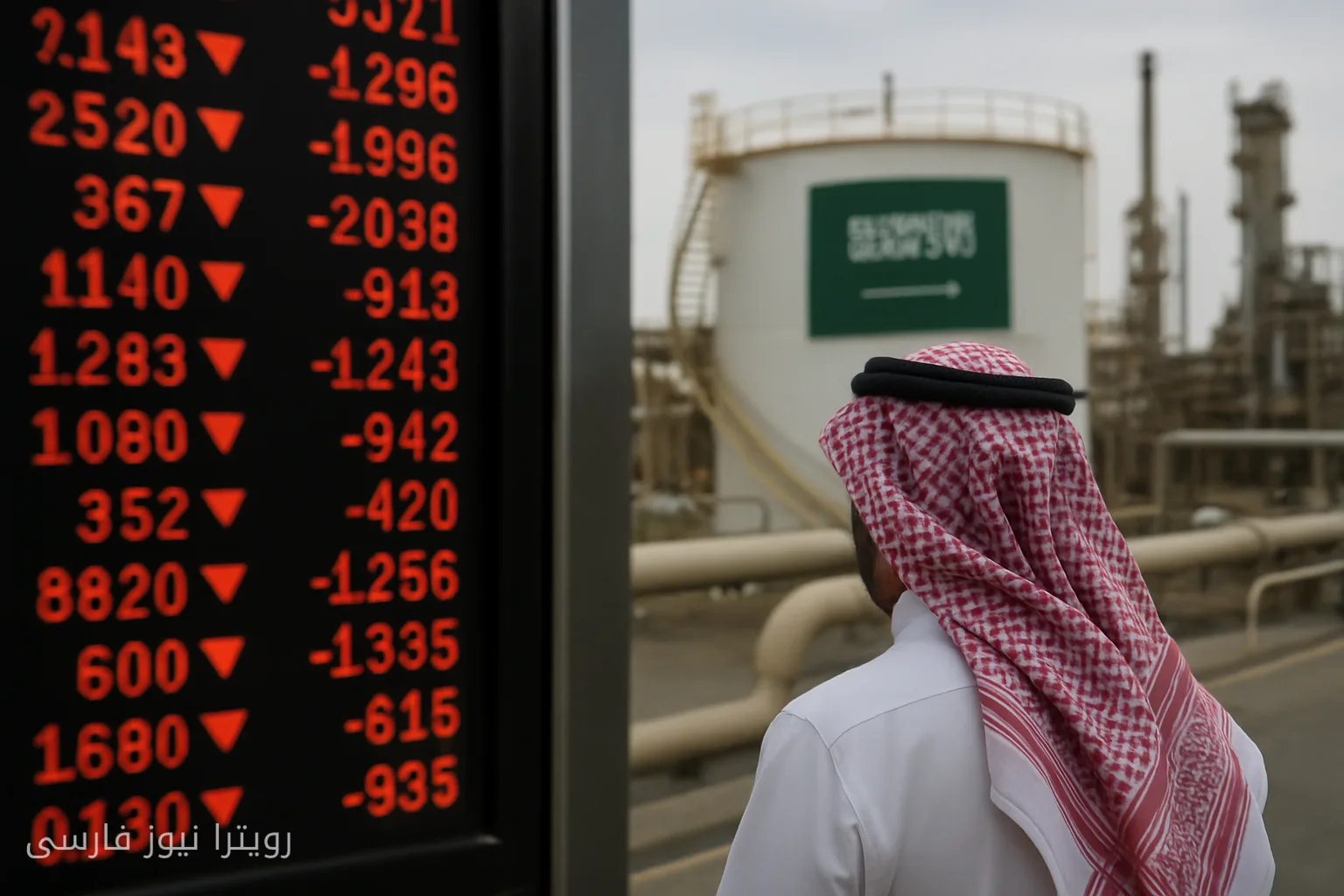
Crude oil prices in the global market have reached the $100 mark again, a figure last seen in May. This price increase has occurred amid growing concerns over escalating tensions in the Middle East and the potential for severe supply disruptions.
Impact of War on the Oil Market
The rise in oil prices comes at a time when many analysts are deeply concerned about the consequences of a potential war in Iran. This conflict could severely impact oil production and exports, consequently driving prices to new heights globally. In fact, global markets are currently heavily influenced by the political and military tensions in this sensitive region.
Oil, as one of the primary energy resources, is always affected by political and military events. Given that Iran is one of the largest oil producers in the Middle East, any unrest in this country could have widespread repercussions for the global oil market.
Concerns About Supply and Demand
Currently, analysts believe that increasing tensions in the Middle East could lead to a rise in demand for oil while simultaneously reducing supply. This situation creates a complex equation that poses serious challenges for the oil market. Many countries are currently trying to increase their oil reserves to shield themselves from market fluctuations.
Despite this, it is expected that oil prices will remain influenced by these tensions in the near future and may likely trend towards higher levels. Meanwhile, consumers and businesses are deeply concerned about the impacts of these rising prices on their costs.