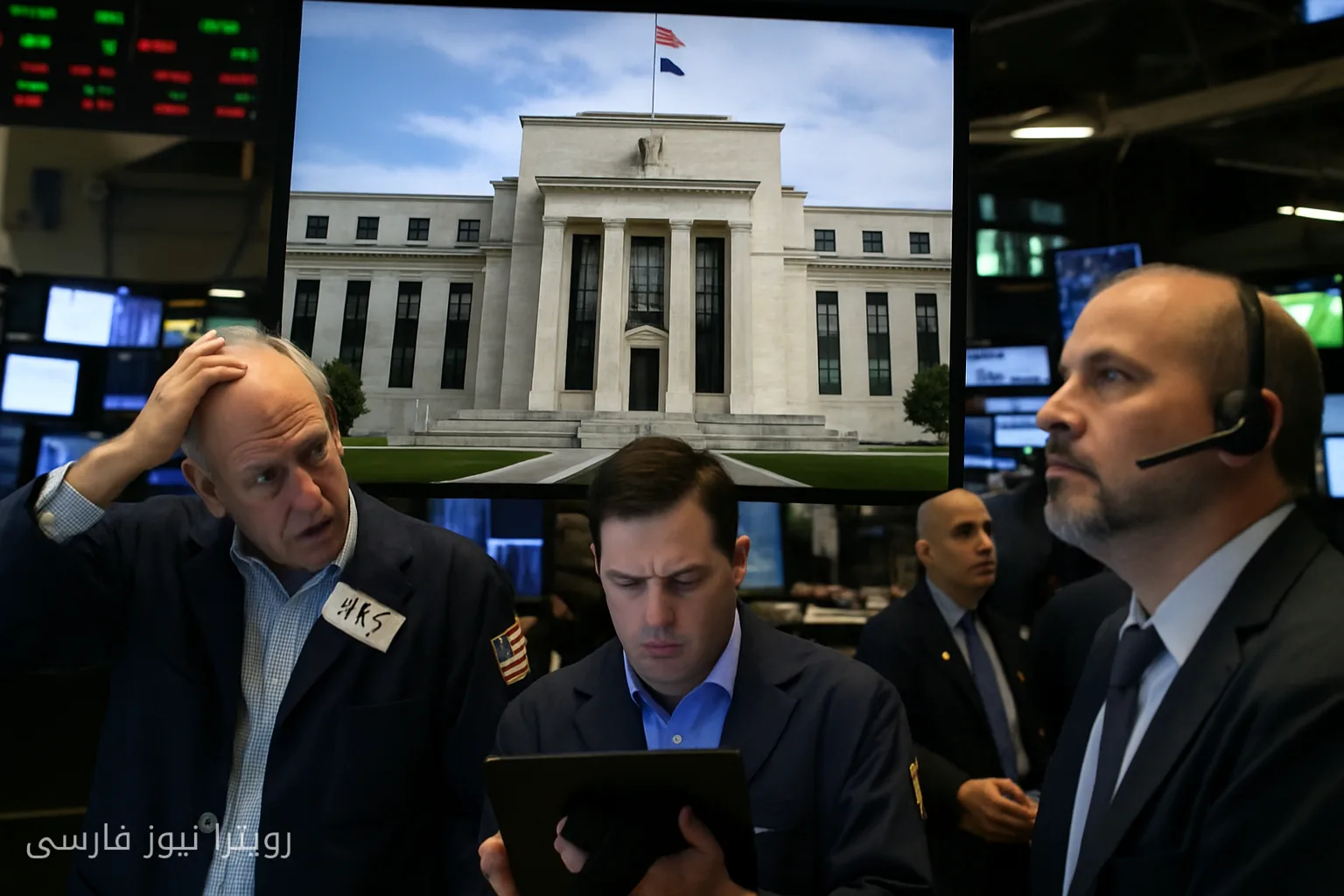
Global markets are experiencing a mixed trend ahead of the Federal Reserve's (Fed) decision on interest rates. This two-day meeting, starting Wednesday, is expected to lead to an increase in interest rates by 25 basis points for the first time in three years. This prediction stems from strong employment statistics in the United States and rising inflation expectations.
Increase in Treasury Yields and Its Impact on Markets
The yield on the 10-year U.S. Treasury has reached 5.04 percent, marking its highest level since July 2007. This rate stabilized at 5 percent following comments from U.S. Treasury Secretary Scott Basset, who stated that the U.S. bond market is performing the best in the world.
Meanwhile, the U.S. Senate failed to secure the necessary majority to advance the Clarity Act. This bill could have provided a comprehensive framework for regulating the cryptocurrency sector in the United States. In this context, the price of Bitcoin fell by 0.1 percent to $75,780, while shares of cryptocurrency exchange Coinbase faced a 10 percent decline.
Volatility in Energy and Currency Markets
Brent crude oil prices for November delivery have decreased to $108.1 per barrel, reflecting a 0.6 percent drop. Meanwhile, gold prices reached $4,321 per ounce, showing a 0.6 percent decline. Additionally, the U.S. dollar has fallen to 99.6 due to financial concerns despite expectations of rising interest rates.
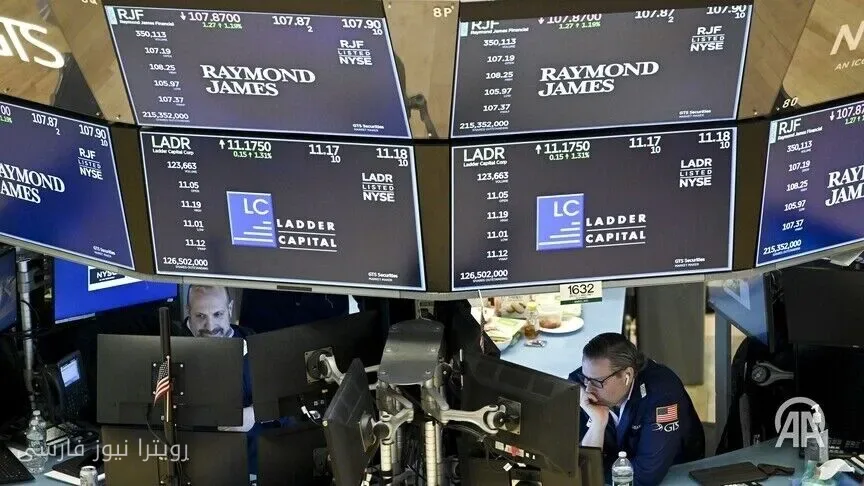
On the New York Stock Exchange, the Dow Jones Industrial Average fell by 0.63 percent, and the S&P 500 also dropped by 0.45 percent. In contrast, shares of technology company Meta rose by nearly 1 percent as the company announced it has begun testing next-generation chips for artificial intelligence models.
In European markets, the UK's FTSE 100 index fell by 0.37 percent, and other indices faced negative volatility due to rising oil prices and selling pressure in the securities market. In Asia, stock markets showed a positive trend with increased risk appetite and reduced selling pressure in the bond market.
Finally, Germany's ZEW economic index increased from 34.2 in August to 34.7 in September, indicating a slight rise, but still below the estimated level of 40.