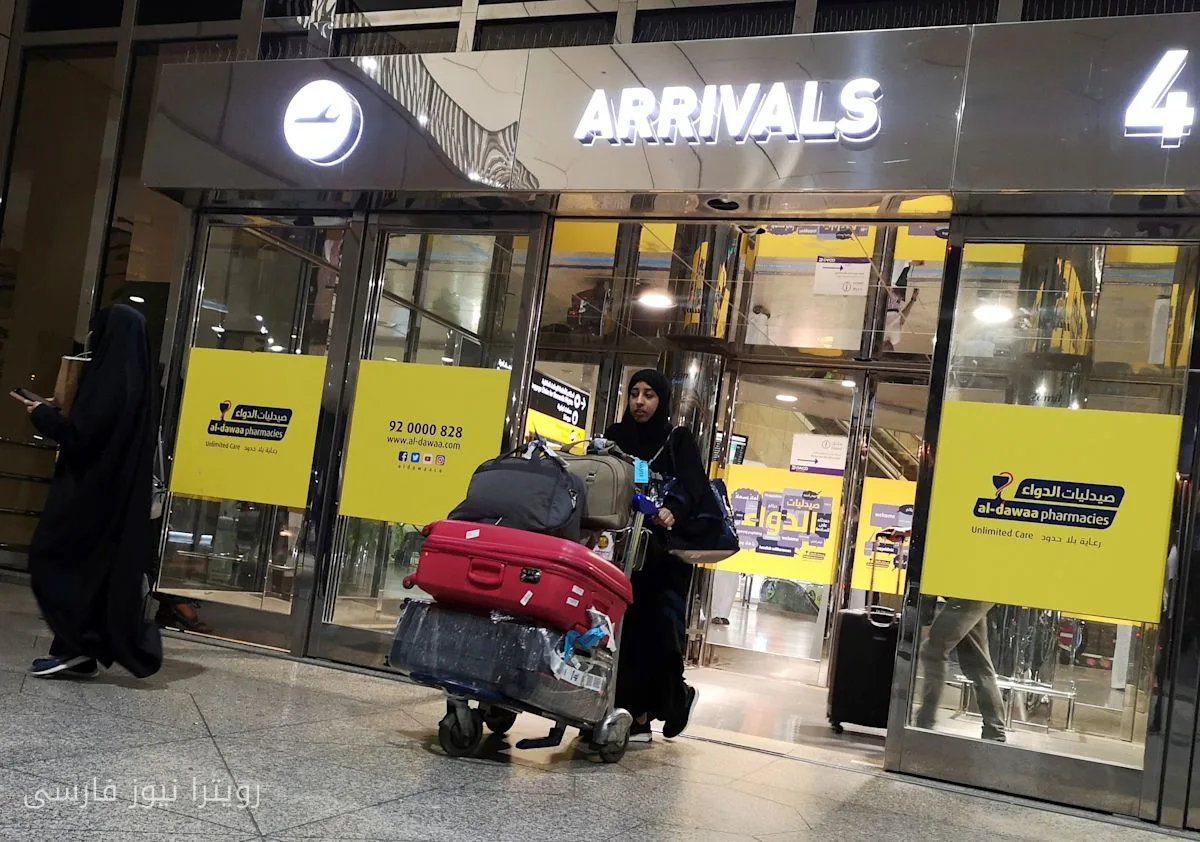
Gulf airlines have strongly stood up against European competitors by strengthening their fleets and expanding their flight routes. This transformation comes as these companies seek to regain market share and increase their capacity after a challenging year.
Developments in Saudi Arabia
In this context, Saudi Arabia has decided to establish a new budget airline and expand King Fahd International Airport in Dammam. This new airline, operated by a consortium led by Air Arabia, will focus on domestic flights to the cities of Riyadh, Jeddah, and Medina. These actions reflect Saudi Arabia's efforts to strengthen its aviation industry and attract more passengers in the region.
Movements in the United Arab Emirates
On the other hand, the United Arab Emirates is also taking similar actions. Emirates Airline has recently secured a significant position in Berlin, which helps strengthen its position on Europe-Asia routes. The President of Emirates, Tim Clark, described these changes as an effort by some European airlines to exploit the insecurity in the region. He also predicted that the airline's seat capacity would return to pre-war levels by the end of 2026.
Air France and other European airlines have also opened new routes to the Middle East this year, which Clark finds "somewhat sad" and indicative of efforts to exploit crises. In this context, Abu Dhabi's Etihad continues to add over 20 aircraft and create new routes to Europe, Africa, and China.
Overall, Gulf airlines are striving to maintain and enhance their position in the global market by providing better services and increasing their fleet capacity. These efforts are particularly significant as European competitors expand their operations.