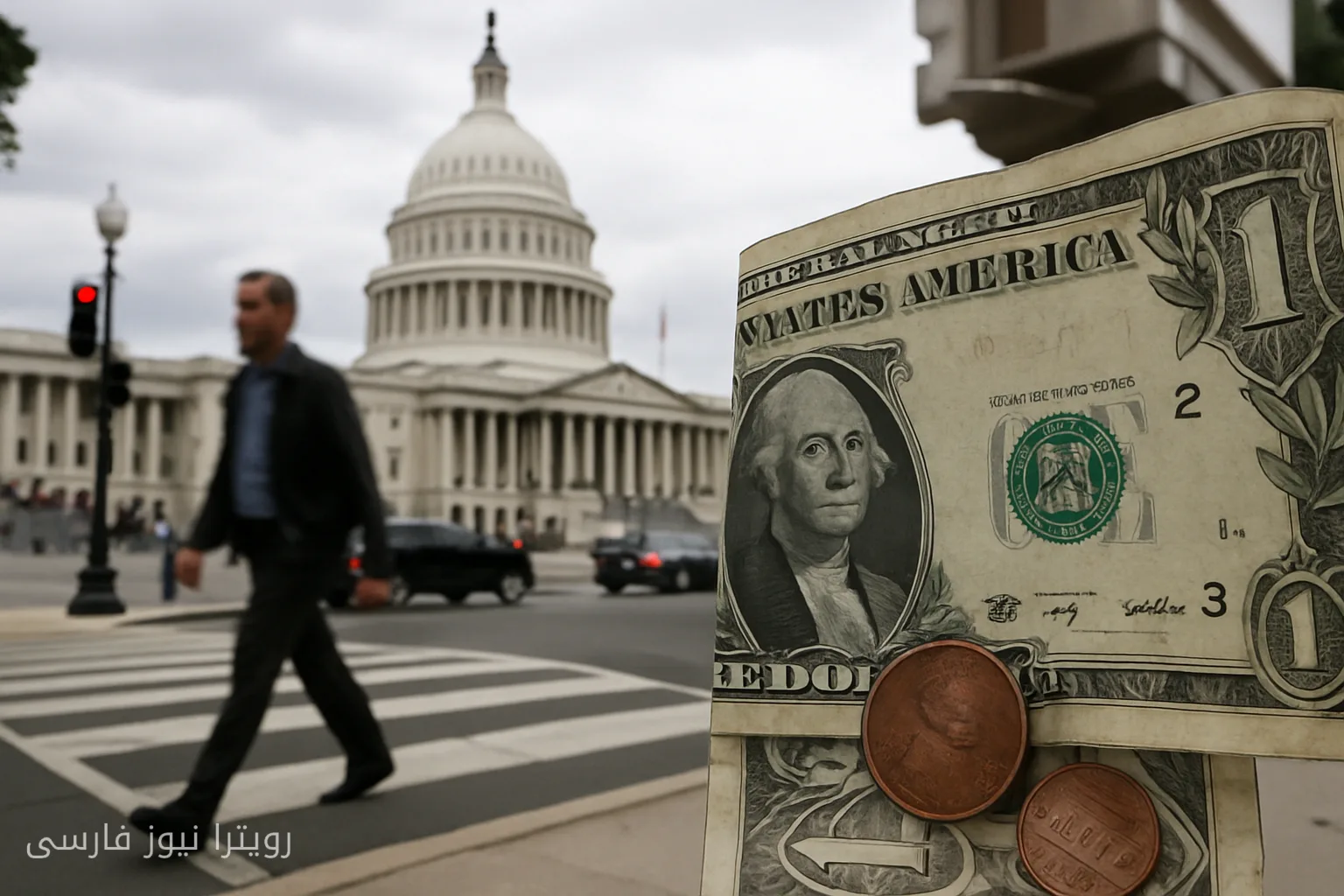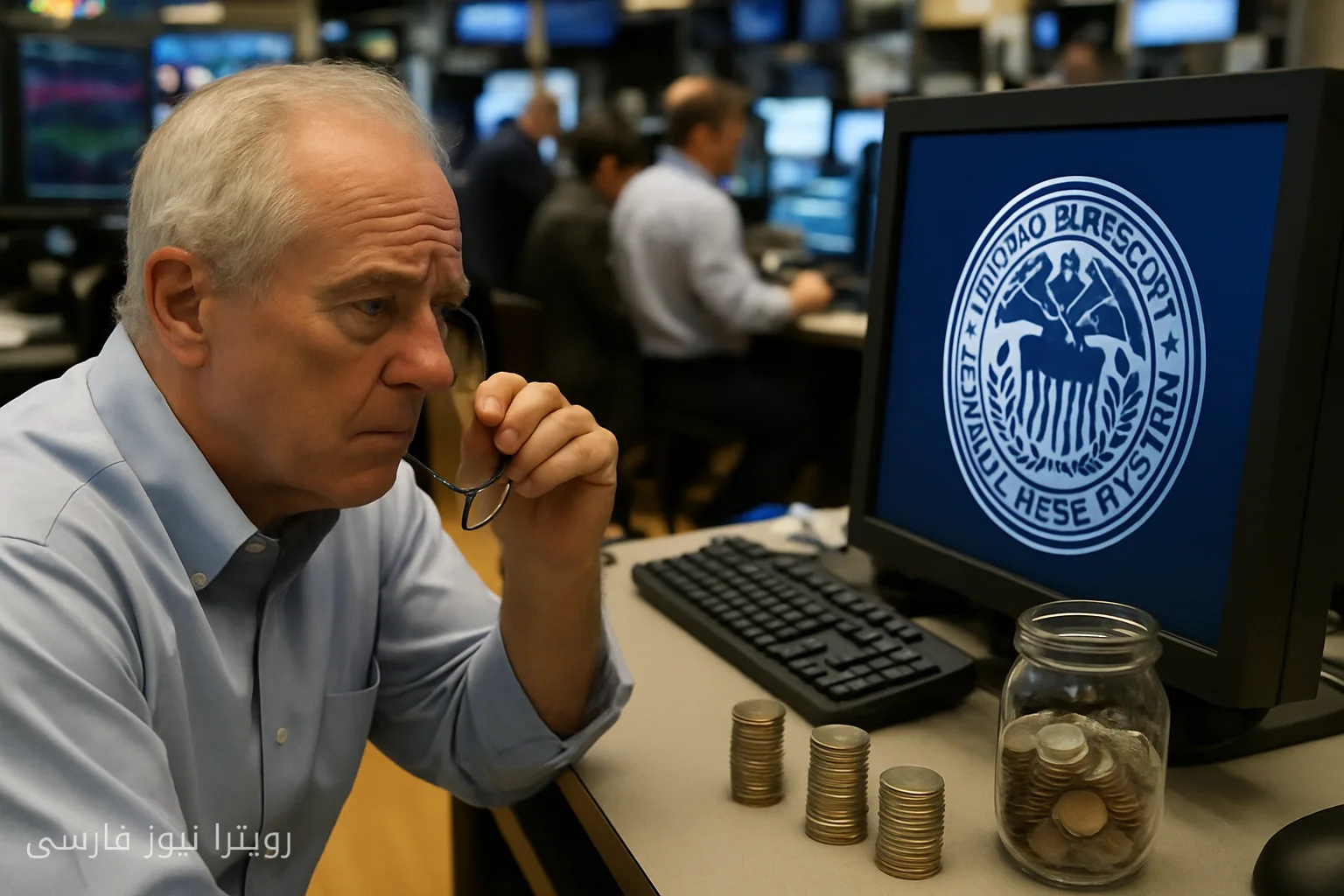
The increase in interest rates by the Federal Reserve of the United States can be seen as a positive factor for investors and retirees. While this increase may lead to improved returns on savings, investors need to be aware of its consequences on credit card rates.
Positive Impact on Savings
An increase in interest rates typically means higher returns on bank deposits and long-term savings. For example, banks may offer higher interest rates on savings accounts and certificates of deposit to attract more customers. As a result, individuals who are trying to finance their retirement can take advantage of this opportunity.
Read more: Ford increases V-8 engine supply and reduces performance prices for F-150 trucks in 2027
Additionally, the increase in interest rates can lead to growth in the capital market, as investors will seek higher returns in the stock market. These changes can benefit those who participate in investment funds and retirement plans.
Risks Associated with Rising Interest Rates
However, the increase in interest rates can also have negative consequences for some sectors. One concern is the rise in credit card rates, which can place a heavier financial burden on consumers. As interest rates rise, borrowing costs also increase. This increase in costs may lead to a decrease in household financial capacity and ultimately have a negative impact on their purchasing power.
Investors should keep in mind that with rising interest rates, there is also the possibility of decreased demand for loans. This could lead to slower economic growth and ultimately have a negative impact on financial markets. As a result, individuals looking to optimize their investment portfolios should closely monitor market conditions.
Overall, the increase in Federal Reserve interest rates can be seen as an opportunity to improve savings returns, but investors must be aware of the potential risks that these changes may bring. Ultimately, smart investment management and attention to economic trends can help individuals make the most of these changes.
Read more: Ninety percent of retirees make mistakes in their financial calculations · Market reaction analysis to future Federal Reserve decisions on interest rates