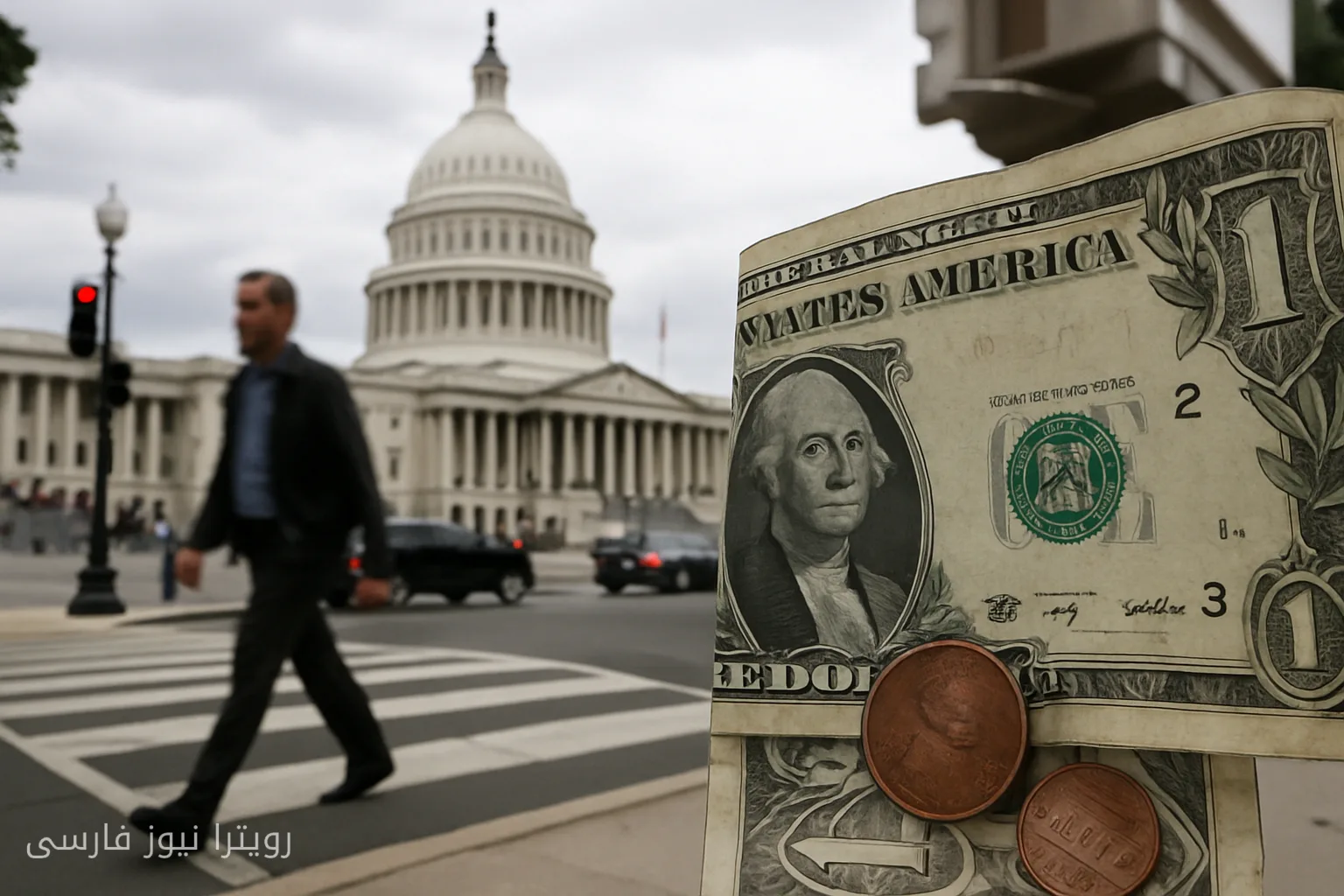
The U.S. Congress has recently congratulated itself for solving the one-cent coin problem. This action somewhat reflects lawmakers' efforts to reduce production costs and maintain the efficiency of the national currency. However, the main question that arises is whether these measures alone can help solve the underlying issue, which is inflation?
Inflation and Its Effects
Inflation, as an economic phenomenon, leads to a decrease in the purchasing power of money and an increase in the prices of goods and services. According to reports, the inflation rate in the United States has reached about 3.7 percent. This rate, even with Congress's efforts to control costs, seems to still be on the rise. Economic experts believe that the continuation of this trend could lead to a decrease in the purchasing power of the dollar and negatively impact the daily lives of citizens.
Read more: The Federal Reserve will raise interest rates at least twice next year
Social and Economic Consequences
Rising prices and decreasing currency value can lead to public dissatisfaction and increased pressure on families. Many households are currently facing financial challenges, and rising living costs could lead to a decline in their quality of life. In this situation, Congress must seek effective solutions to combat inflation to prevent social and economic crises.
Economic analysts believe that solving the inflation problem requires the adoption of appropriate fiscal and monetary policies and close cooperation between Congress and the Federal Reserve. On the other hand, the government's role in controlling prices and supporting vulnerable segments of society cannot be overlooked. While Congress has addressed short-term issues like the one-cent coin, it must pay more attention to larger and more sustainable economic challenges.
Read more: France supports Klaas Knot for the presidency of the European Central Bank