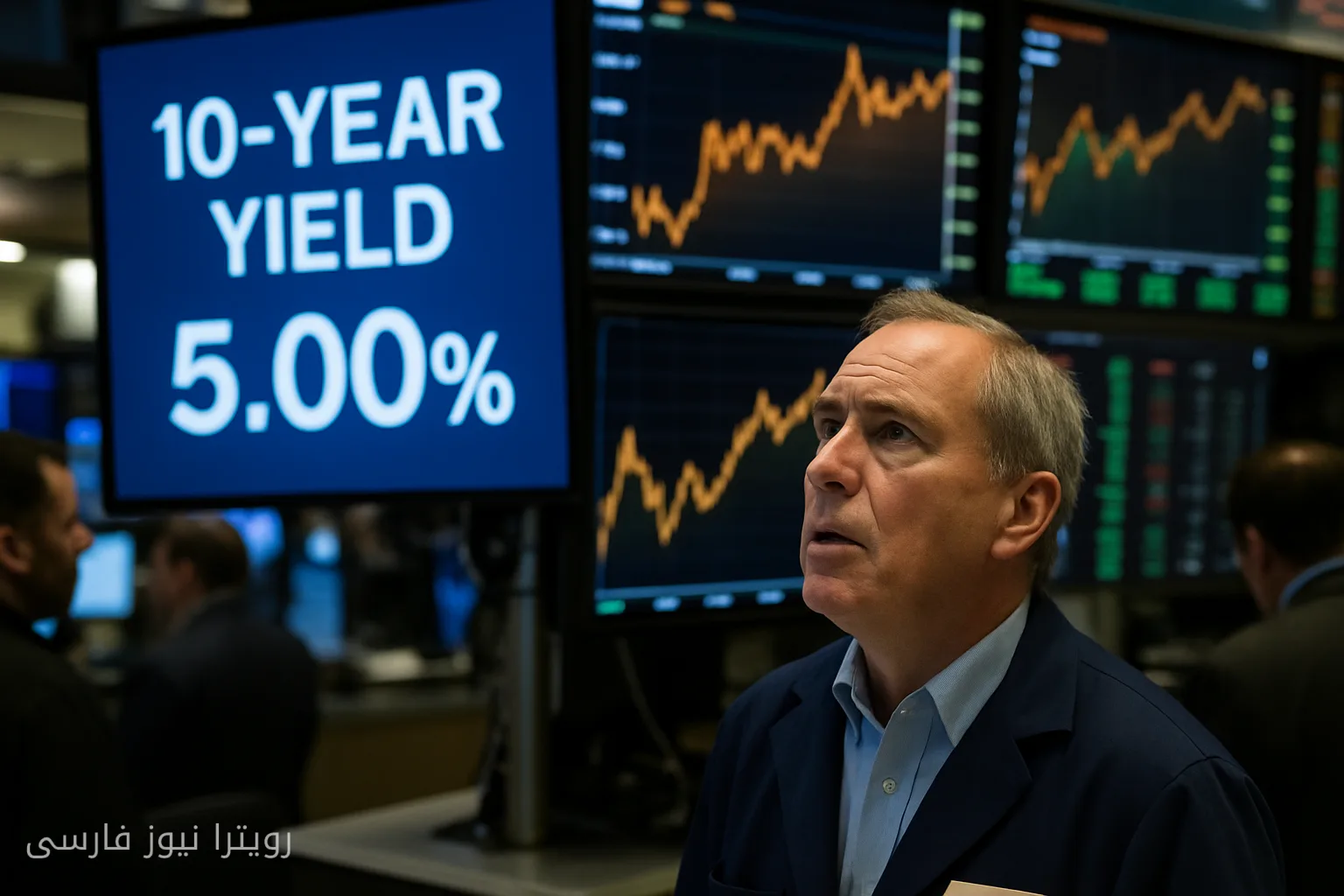
The increase in the United States Treasury yield to 5 percent has raised concerns about its impact on financial markets. This yield has experienced its highest level since 2007 and may lead to challenges for vulnerable sectors of the financial system.
Factors Influencing the Increase in Treasury Yield
Several factors have contributed to the recent increase in the 10-year Treasury yield. One of these factors is expectations of rising interest rates from the Federal Reserve. Analysts believe that an increase in interest rates aimed at controlling inflation could directly affect borrowing costs. Additionally, stronger-than-expected economic data may also fuel this trend.
Consequences of Yield Increase for Markets
The increase in Treasury yield to 5 percent could have significant effects on financial and economic markets. With rising borrowing costs, companies may face more difficulties in securing financing. This could lead to a decrease in investment and ultimately a slowdown in economic growth. Furthermore, the increase in yield may negatively impact stock prices and drive investors towards lower-risk assets.
Moreover, the increase in yield could also affect the housing market. With rising borrowing costs, demand for housing may decrease, potentially leading to a drop in prices. Therefore, this situation could create serious challenges for the housing sector.
Currently, some analysts believe that although the Treasury yield has reached 5 percent, markets have not yet reacted strongly to these changes. However, time may reveal whether this situation will affect the stability and performance of financial markets.