India has confirmed electricity exports to Nepal to assist the country in coping with shortages resulting from extensive damage to hydropower infrastructure caused by the devastating floods last month.
Details of Electricity Exports
The Ministry of Power of India announced in a statement that up to 654 megawatts of electricity will be transferred to Nepal for 18 hours a day until the end of this calendar year. This action will help Nepal meet its energy needs during this difficult period and strengthen the long-standing energy cooperation between India and Nepal.
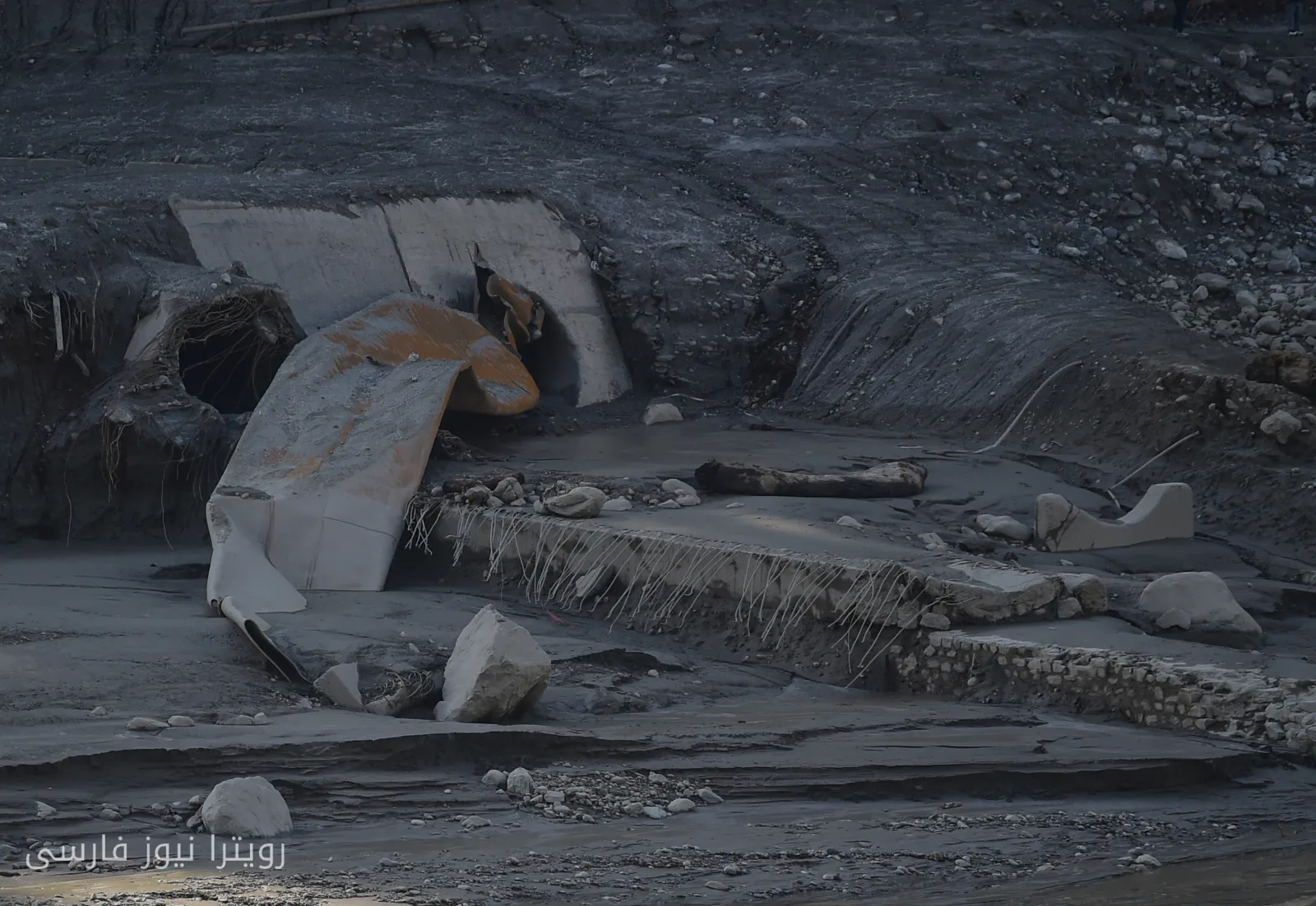
According to officials, the amount of electricity exported will also be reviewed in December. This decision was made following floods that began on August 26 due to the collapse of an ice mountain at the border of China and Nepal, claiming the lives of over 1,400 people in Nepal and Tibet.
Consequences of the Flood and the Need for Reconstruction
At least 12 hydropower projects in Nepal were affected, and about 900 power plant workers are among more than 5,500 missing people in the country. Before these floods, nearly 100% of Nepal's energy needs were met through hydropower production, but after this incident, Nepal has been forced to import electricity, while in previous years it was known for exporting surplus energy to India.
Thousands of displaced individuals have taken refuge in relief centers and have little hope of returning to their homes. The United Nations and its partners have also requested nearly $50 million in aid to assist the survivors.
Nepali officials have stated that at least $5 billion is needed for initial reconstruction and added that this disaster highlights how climate change affects poor countries, even though these countries have contributed little to its creation.
The Himalayas, where Nepal is located, are approaching a critical point as glaciers are melting faster than a decade ago, posing a threat to water security in the region. A study published this month indicates that this region is heading towards a "water peak" by the middle of the century.