Nazara, who was appointed as Indonesia's finance minister shortly after the dismissal of Purbaya, has served as the deputy finance minister for the past seven years. He also headed the financial policy agency of the ministry from 2015 to 2019, during which he worked on the development and implementation of financial policies.
Challenges Ahead for Nazara
The new finance minister of Indonesia is confronted with multiple challenges in improving the country's financial credibility. Indonesia's economy has faced significant challenges in recent years, including rising public debt and global economic fluctuations. These issues require immediate and effective actions from the Ministry of Finance.
Nazara stated in a declaration that his main priorities during his term will be to strengthen financial transparency, improve public financial management, and attract foreign investments. Especially in the current conditions where global markets are affected by economic fluctuations and energy crises, the new minister must seek ways to gain investors' trust.
Market Reaction to Management Changes
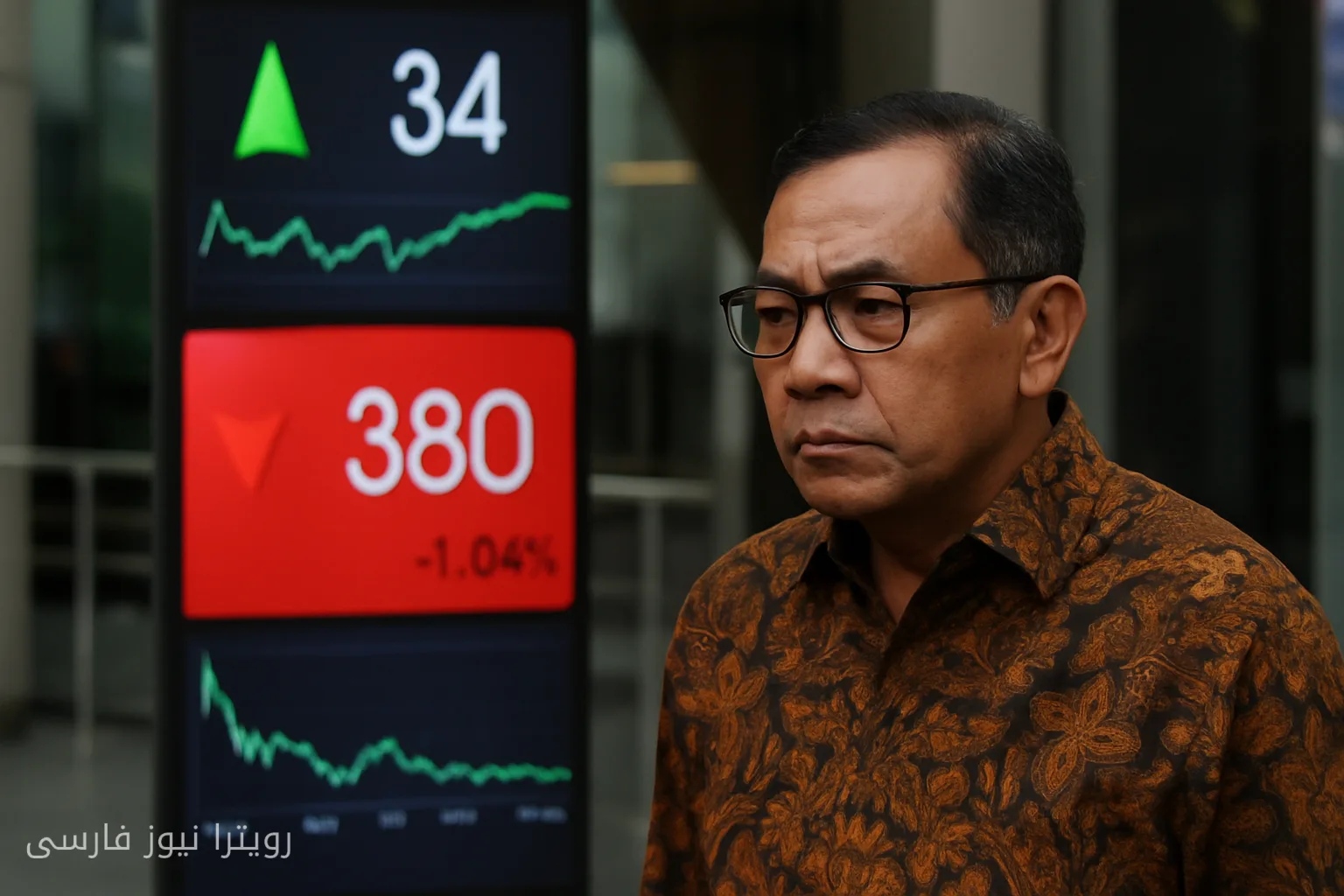
The change in leadership of Indonesia's Ministry of Finance quickly caught the attention of the markets, and some analysts examined its impacts on the country's macroeconomy. Given Nazara's background and previous experiences in financial management, some experts expect that he can provide greater stability to the country's financial markets by improving financial policies.
However, others warn that economic and social challenges in Indonesia may affect Nazara's success. These challenges include economic inequality, high unemployment rates, and environmental issues that require special attention.
Ultimately, Nazara must demonstrate his ability to create positive changes in the country's financial and economic policies. He needs to leverage his past experiences to approach Indonesia's long-term economic goals while also responding to the expectations of the people and the market.