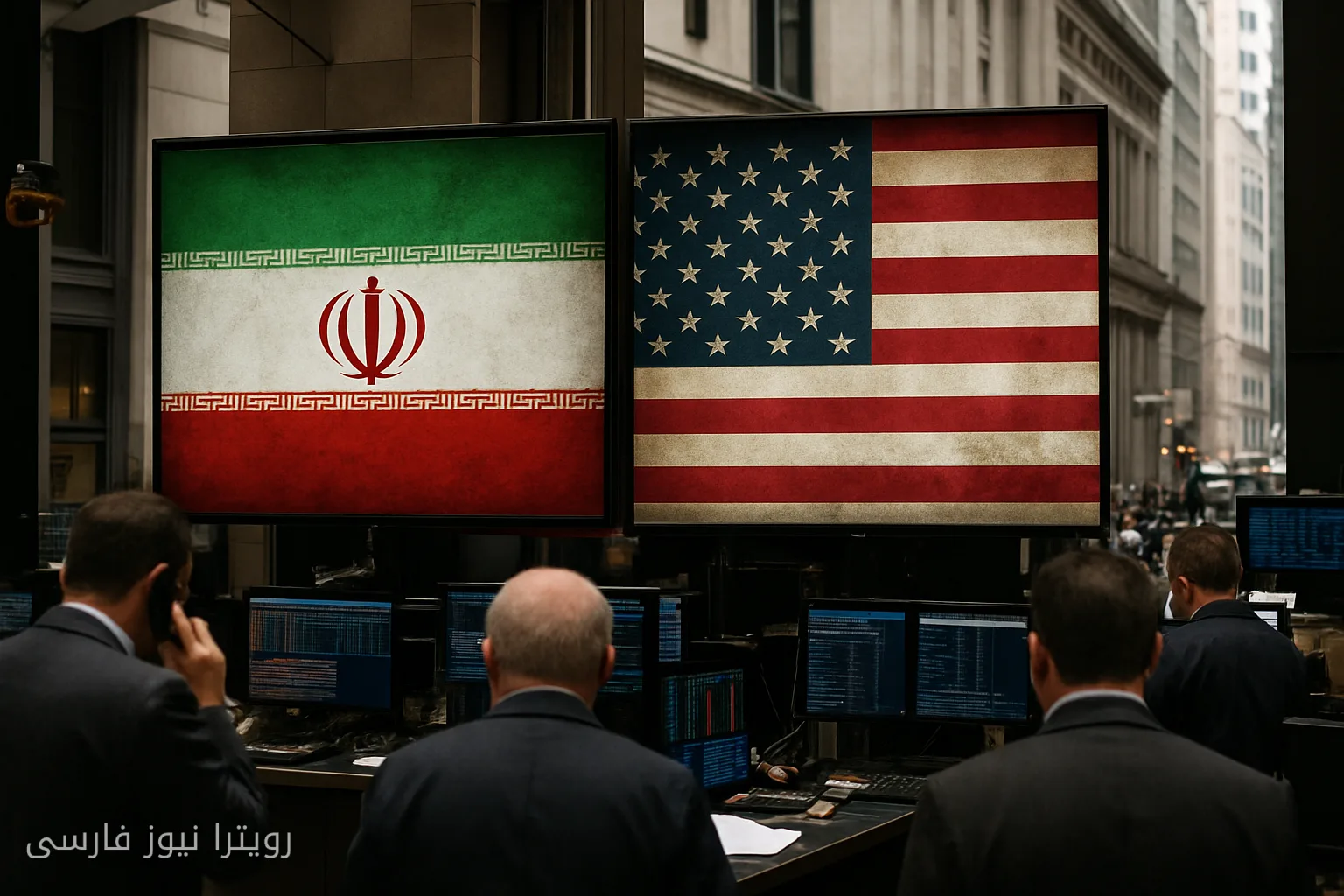
As tensions between Iran and the United States continue, it appears that both sides are heading towards a prolonged war. Not only is there no sign of a ceasefire in sight, but neither side seems willing to retreat from their positions.
A War Without a Clear Horizon
Analysts believe that this war, especially in the Middle East, could have serious consequences for energy markets and regional security. Despite the conflicts remaining at a low and limited level, the lack of cooperation and diplomacy between the two countries has complicated the situation. This condition indicates a dangerous stalemate that could significantly escalate tensions.
Iran is seeking to strengthen its positions and maintain its national interests, while the United States also appears to be aiming to exert pressure on Iran with the goal of changing its behavior. This situation will particularly affect energy supply and global oil prices and could benefit rival countries in the region.
Economic Consequences
With the continuation of this war, energy markets in the Middle East may face severe fluctuations. Many countries, due to their dependence on energy resources from this region, will be affected. Analysts predict that if this situation continues, oil prices may rise dramatically, which could lead to economic crises in countries that rely on oil imports.
Overall, a war that neither side seems willing to end could become one of the greatest global challenges. As this trend continues, the future of the Middle East and its impacts on the global economy will remain shrouded in uncertainty.