In recent weeks, the United States has been making every effort to reduce Iran's control over the Strait of Hormuz. This action has coincided with a severe drop in Iran's oil exports, resulting in painful economic consequences for the country.
The Strait of Hormuz; The Center of Tensions
The Strait of Hormuz, which is considered one of the most important oil transit routes in the world, has now become a battleground where Iran and the United States are fiercely competing. The severe restrictions imposed by the United States on Iran's oil exports have not only weakened this country's power in the Strait of Hormuz but have also accelerated Iran's economic decline.
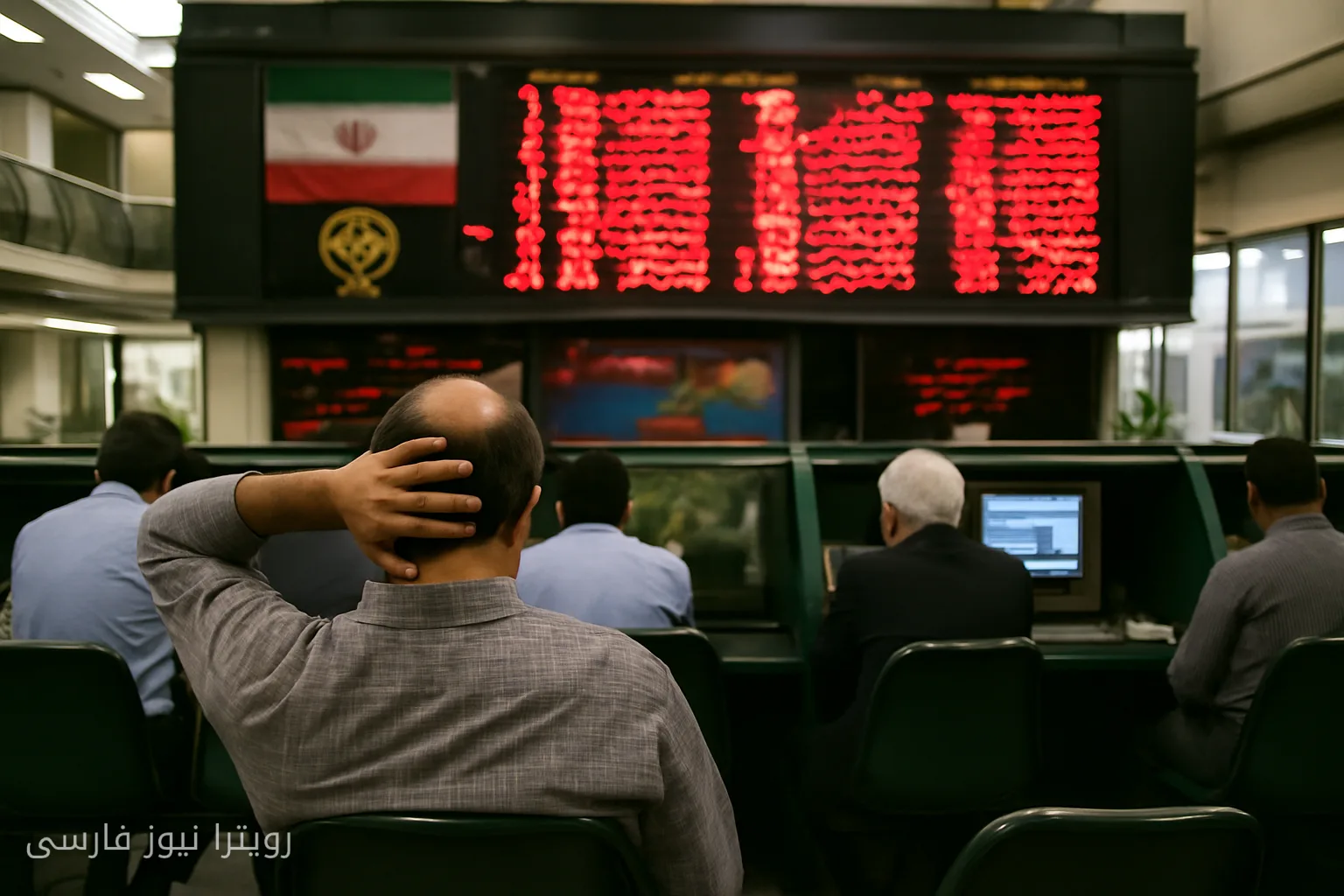
In fact, the decrease in oil revenues caused by the sanctions has placed significant economic and social pressures on the people of Iran. Reports indicate that many families are facing difficult conditions due to rising prices and shortages of essential goods.
An Endless War
The current situation shows that the economic war between Iran and the United States is not limited to the Strait of Hormuz. This war has expanded into other arenas, and it seems that neither side is willing to back down easily. With the continuation of these tensions, the future of Iran and regional stability remains shrouded in uncertainty.
Ultimately, it appears that although the United States has succeeded in reducing Iran's control over the Strait of Hormuz, this is merely the beginning of a costly and prolonged war, the consequences of which are unpredictable not only for Iran but for the entire region as well.