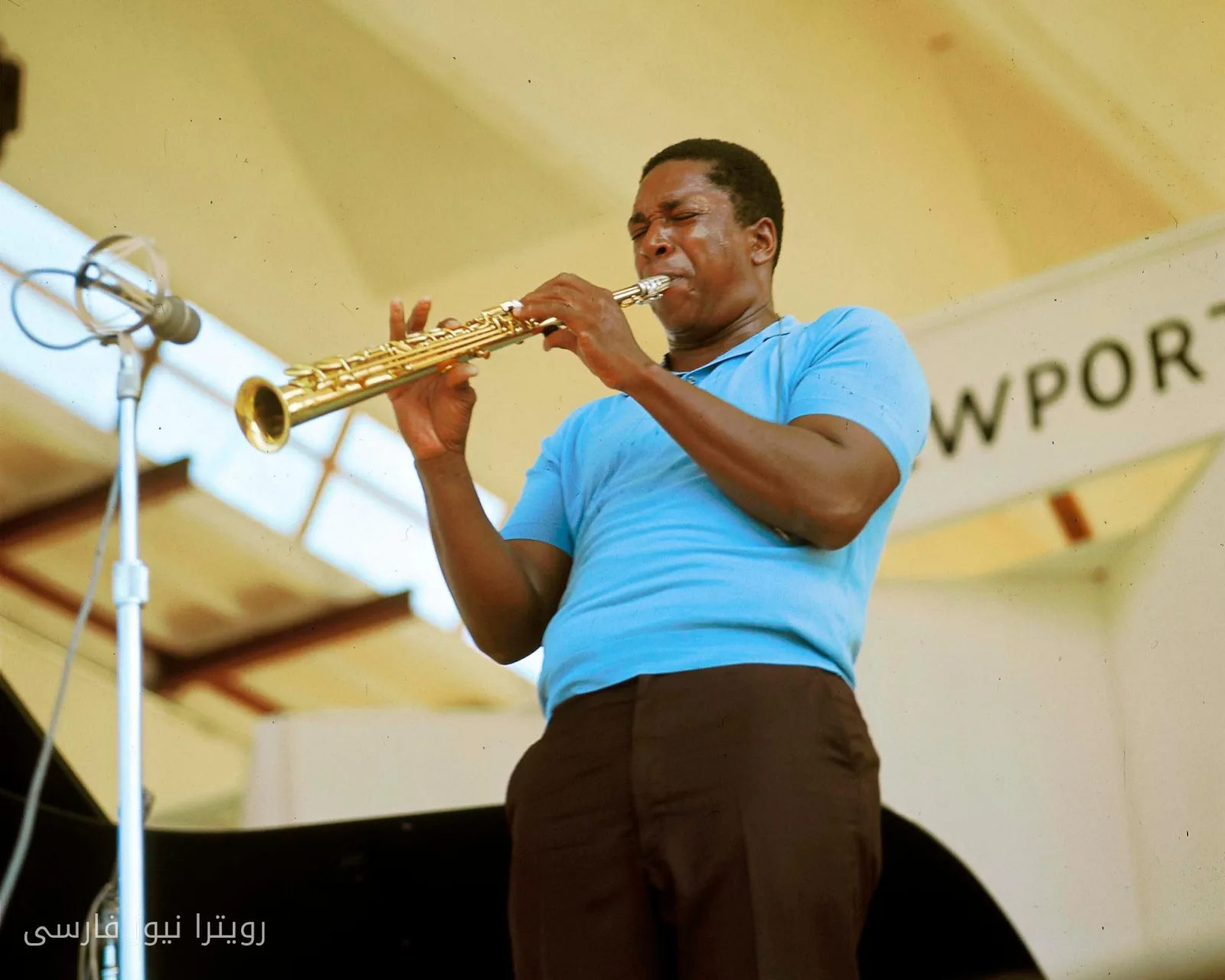
John Coltrane, the legendary jazz saxophonist, took the stage in August 1965 as the headliner of the Downbeat Jazz Festival in Chicago at the height of his fame. He performed a series of fast and free improvisations with a new member of his group, Archie Shepp, young and experimental. The performance was so harsh and explicit that it caused many audience members to leave.
A Controversial Moment in Jazz History
The review written later about this performance harshly criticized it, describing it as a "tasteless display" by the musicians. However, this performance should be seen as a moment of triumph for Coltrane and his group. Coltrane had become one of the greatest figures in jazz music over the past five years.
After leaving Miles Davis's "Great Five" group, where he had recorded an album that became the best-selling album in jazz history - Kind of Blue in 1959 - Coltrane introduced a new harmonic language in jazz with the release of his solo album Giant Steps in 1960. He even released a version of the song My Favourite Things from the film The Sound of Music in 1961, which became a radio hit.
The Beginning of a Spiritual Journey
In January 1965, Coltrane released the album A Love Supreme, which earned him a Grammy nomination and presented a spiritual vision of jazz music. He quickly became a giant in the jazz world and had added dozens of songs to the standards repertoire. But two years later, in 1967, at the age of 40, Coltrane passed away from liver cancer.
Now, with the release of new versions of hidden recordings of Coltrane, new questions have arisen about his progress and developments in the jazz world. These recordings show how Coltrane distanced himself from his fame and moved towards free jazz, a bold move that still resonates in the history of music.