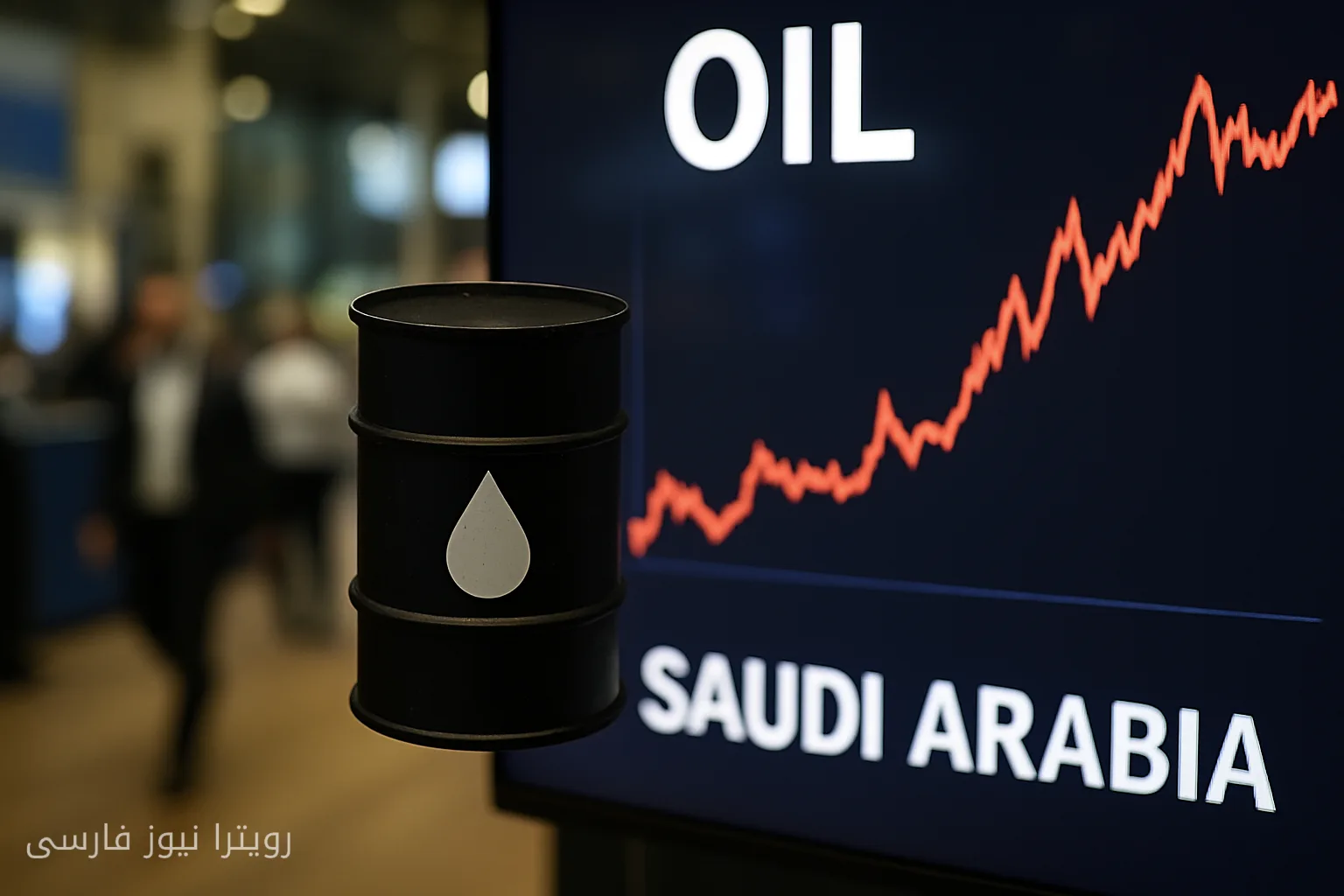
Global oil prices saw a significant increase yesterday, primarily due to the shutdown of a vital pipeline in Saudi Arabia. This pipeline, designed to bypass the Strait of Hormuz, was closed due to escalating attacks by Iran-affiliated militant groups.
Details of the Pipeline Shutdown
The pipeline in question, which transports oil from Saudi oil fields to export ports, has been suspended due to the unfavorable security conditions in the region. Local sources have reported that this shutdown was a result of recent attacks by Iran-backed militant groups, which pose serious threats to Saudi oil infrastructure.
Read more: Future stock decline amid concerns over AI safety and rising oil prices
Economic Consequences
The rise in oil prices following this shutdown could have significant effects on global markets. Given that Saudi Arabia is one of the largest oil producers in the world, any disruption in the production and export of oil from this country could lead to an increase in global oil prices. Reports indicate that Brent crude oil prices have risen by up to 2%, approaching $90 per barrel.
Economic analysts are concerned that if this situation continues, prices may reach even higher levels, which could increase inflation in oil-consuming countries. Additionally, this situation may lead to increased volatility in financial markets, as investors seek safe havens for their investments.
Furthermore, the pipeline shutdown could have long-term impacts on the energy policies of oil-consuming countries. Many countries are looking to diversify their energy sources, and this crisis may accelerate this process.
Read more: US-Cuba energy deal: Collapse following political changes! · Oil prices rise after Trump's controversial remarks about Iran