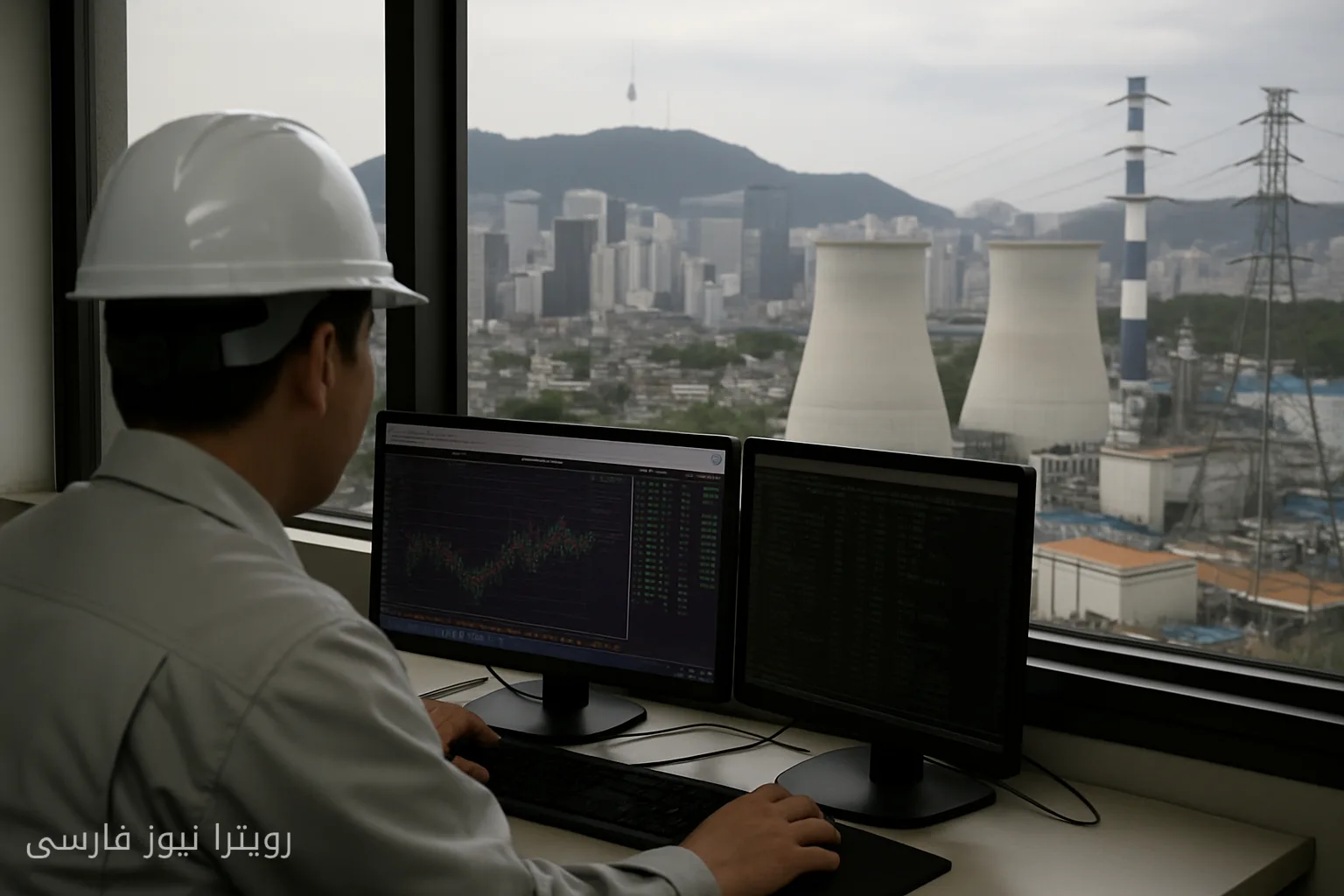
South Korean industrial companies have successfully increased their self-generated electricity production over the past decade, more than doubling this amount. This change reflects the growing tendency of companies to reduce dependence on purchasing electricity from Korea Electric Power Corporation (KEPCO).
Increasing Trend of Self-Generated Electricity Production
According to published statistics, self-generated electricity production in South Korea reached 23.21 million kilowatt-hours in 2022, a significant increase from 11.5 million kilowatt-hours in 2012. This indicates the companies' efforts to improve energy management and reduce costs.
Read more: Middle East War and Fuel Price Increase: Italy and Europe in Crisis
Companies are using this approach as a key strategy to reduce operational costs and increase efficiency. Given the rising energy prices and economic pressures, this action is recognized as an effective solution for managing financial risks and improving economic performance.
Implications of Reducing Dependence on KEPCO
Reducing dependence on KEPCO is beneficial not only for companies but also for the overall economy. With the increase in self-generated electricity production, companies will be able to reduce pressure on the national power grid and improve energy sustainability. This could lead to lower public energy costs and improved electricity service quality nationwide.
Moreover, this trend indicates structural changes in the South Korean energy market. As the number of companies engaged in self-generated electricity production increases, there is a possibility that service quality and competition in the energy market will rise. These changes could also benefit consumers and help lower prices.
Overall, the increase in self-generated electricity production in South Korea is a positive step towards improving energy efficiency and reducing costs in the country's energy market. This trend could serve as a successful model for other countries striving for energy sustainability and reducing dependence on foreign resources.
Read more: Exciting Fluctuations in Gold Prices in Global Markets · Raine: The likelihood of the government achieving the goal of 1.5 million nearly zero-energy homes is almost zero