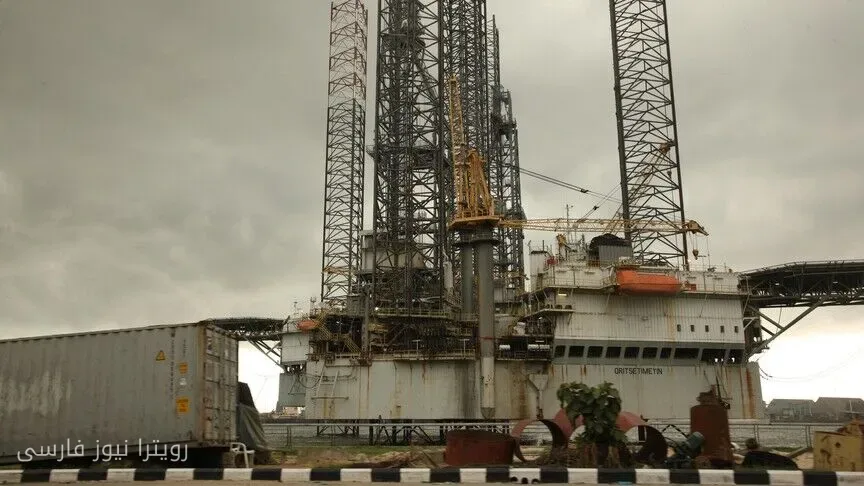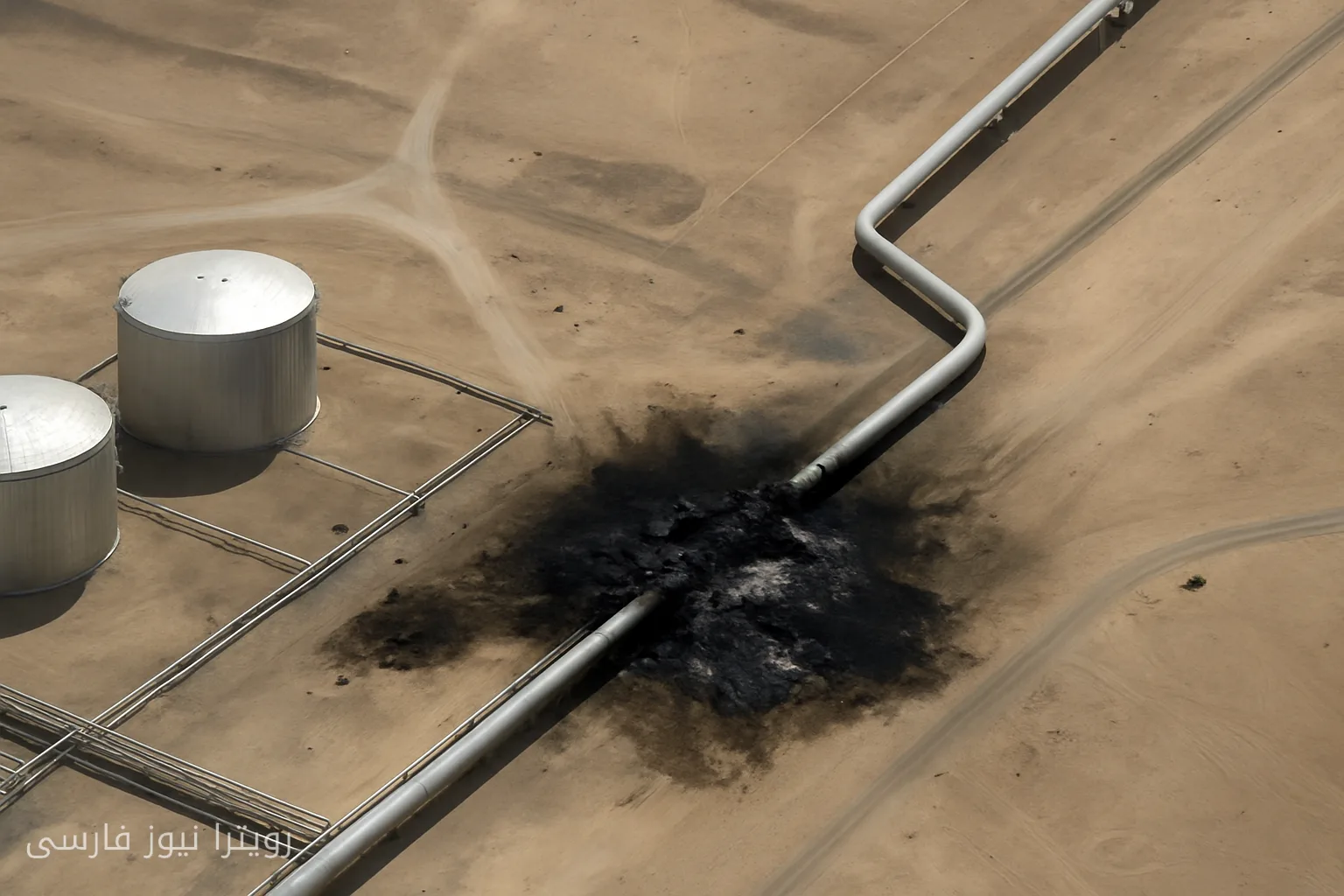
Oil prices in global markets have seen an increase due to the delay in negotiations related to the Strait of Hormuz. This strait, considered one of the most important oil transport corridors in the world, remains in focus due to political and economic tensions. Analysts believe that any uncertainty in this region could have significant impacts on global oil prices.
Details of the Oil Price Increase
According to the latest information, the price of Brent crude oil has risen above $90 per barrel, indicating a significant increase compared to previous weeks. This price increase is particularly influenced by concerns over oil supply and political developments in the Middle East. Many experts believe that the rise in prices may be due to the lack of agreement in international negotiations and economic pressures resulting from sanctions.
Read more: Change in the Concept of Success: Work-Life Balance for Professionals
Economic Consequences
This increase in oil prices could have widespread effects on the global economy. Rising fuel prices mean higher transportation and production costs across various industries. Particularly, oil-dependent countries may face new challenges. Meanwhile, consumers may also encounter rising prices for goods and services, which in turn could impact economic growth.
On the other hand, these rising prices may provide opportunities for oil producers to increase their revenues. Many oil-producing countries are currently trying to leverage these opportunities to make new investments in the energy sector. However, oil price volatility can still pose risks for these countries.
Overall, the increase in oil prices due to the delay in negotiations in the Strait of Hormuz reflects the complexities present in global energy markets, and it remains to be seen whether this trend will continue.
Read more: Oil Sale Contract with Minister of Oil's Approval and Billion-Dollar Debt of Hossein Aghayari · Unprecedented Attack on Saudi Oil Pipeline: Peak of Tensions in the Middle East