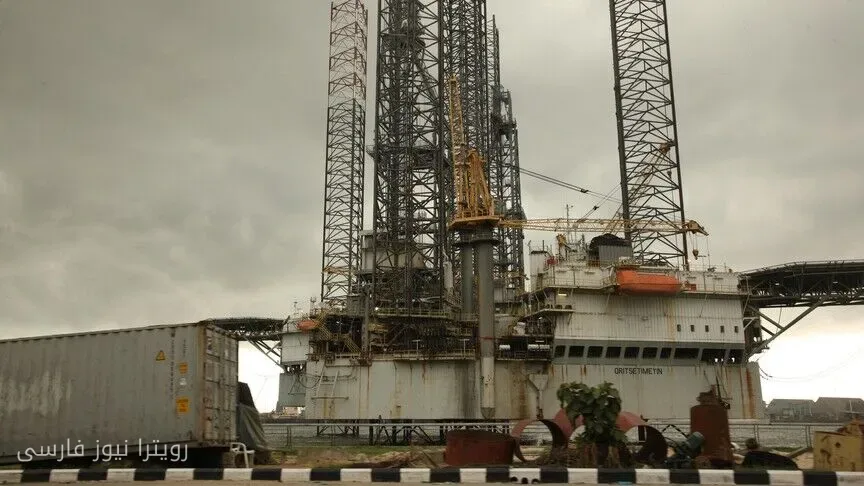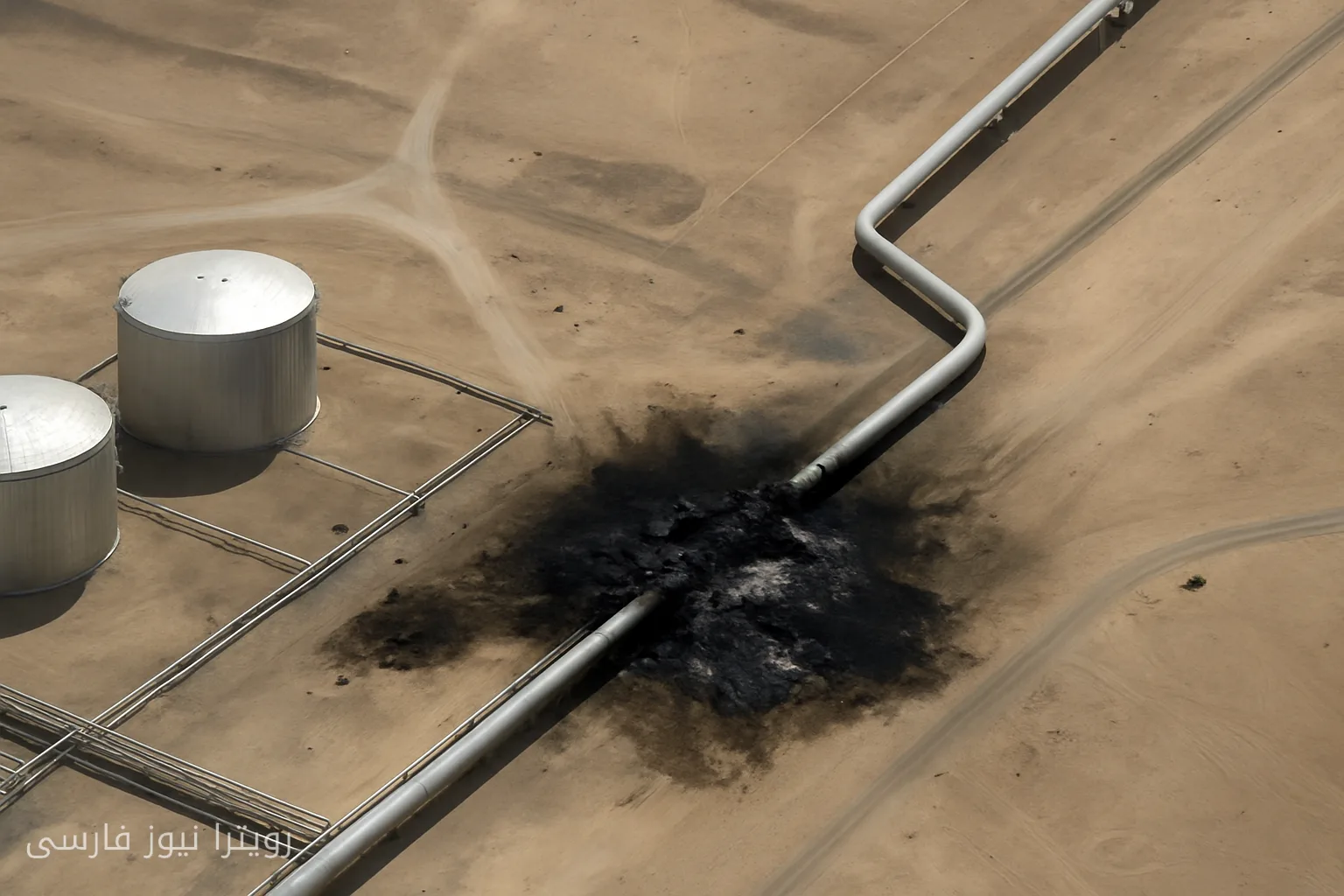
Saudi Arabia temporarily shut down its 750-mile oil pipeline, designed to bypass the Strait of Hormuz, due to increasing threats from attacks on oil infrastructure. This pipeline is considered one of the most important oil transport arteries in the Gulf region, and its closure could have serious impacts on the global oil market.
Details of the Oil Pipeline
This pipeline, which runs from the eastern part of Saudi Arabia to the western shores of the country, has a daily transport capacity of over 5 million barrels of oil. Although this pipeline was designed to bypass the Strait of Hormuz, its operations have now been halted due to security threats. The Strait of Hormuz is one of the most important maritime passages for crude oil exports, and any disruption in this strait could lead to an increase in oil prices in the global market.
Read more: How Small Mistakes Can Transfer Your Assets to the Wrong Person
Reactions from the Oil Market
The closure of the Saudi oil pipeline has raised concerns about oil supply in the global market. Analysts believe that this action may lead to an increase in oil prices in the coming days. The oil market is directly dependent on the security situation in the Gulf region, and any changes in the security status can have a significant impact on prices.
Currently, Brent crude oil prices in global markets are experiencing fluctuations due to these developments. Investors are closely monitoring security developments in the region, and any changes in the situation can quickly affect prices. The closure of this pipeline may also increase pressure on global oil supply, prompting other oil-producing countries to raise their production to compensate for the reduced supply from Saudi Arabia.
Furthermore, analysts believe that given the existing tensions in the region, Saudi Arabia is likely to seek to strengthen the security of its oil infrastructure. This could lead to increased investments in security and infrastructure to prevent the recurrence of such incidents.