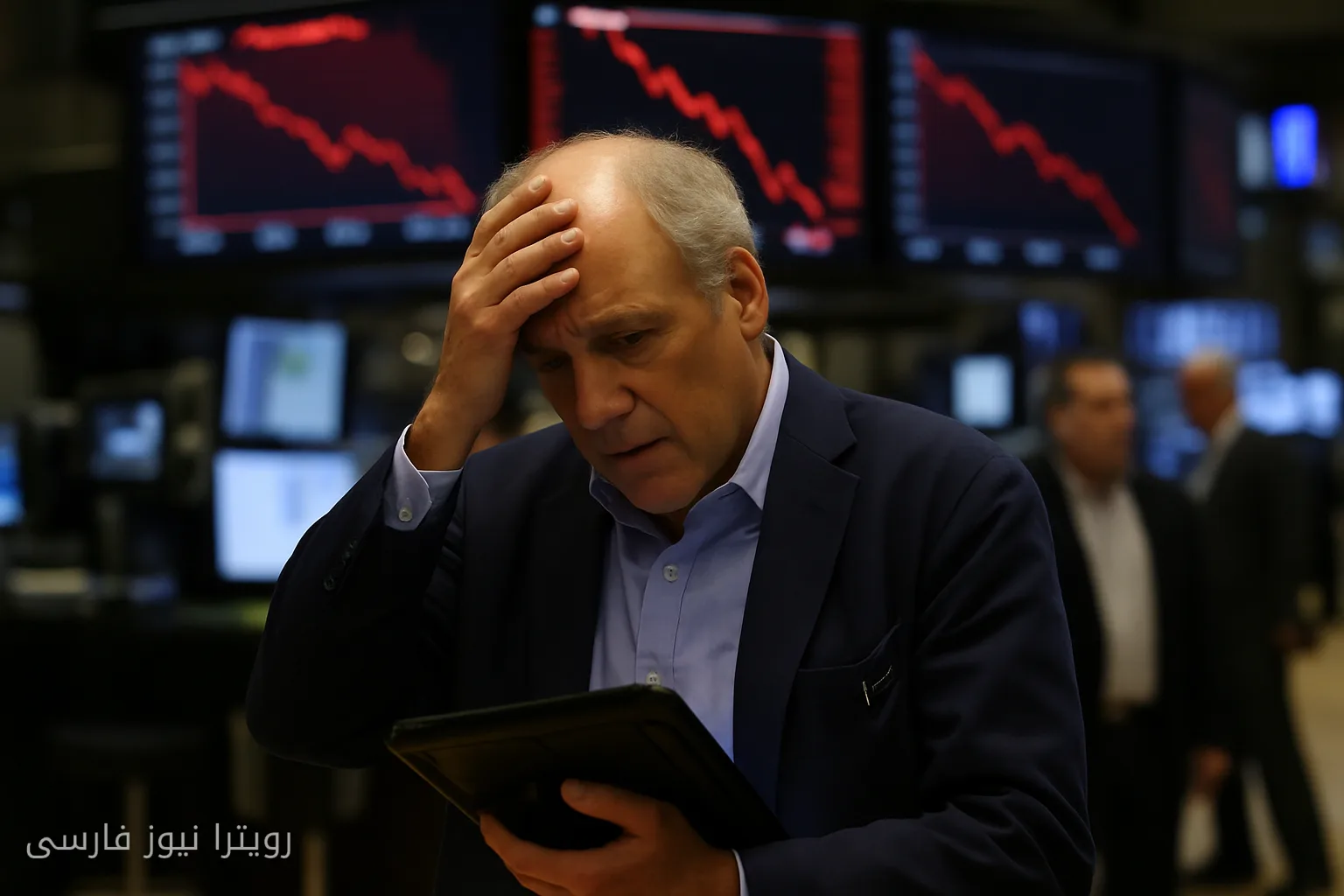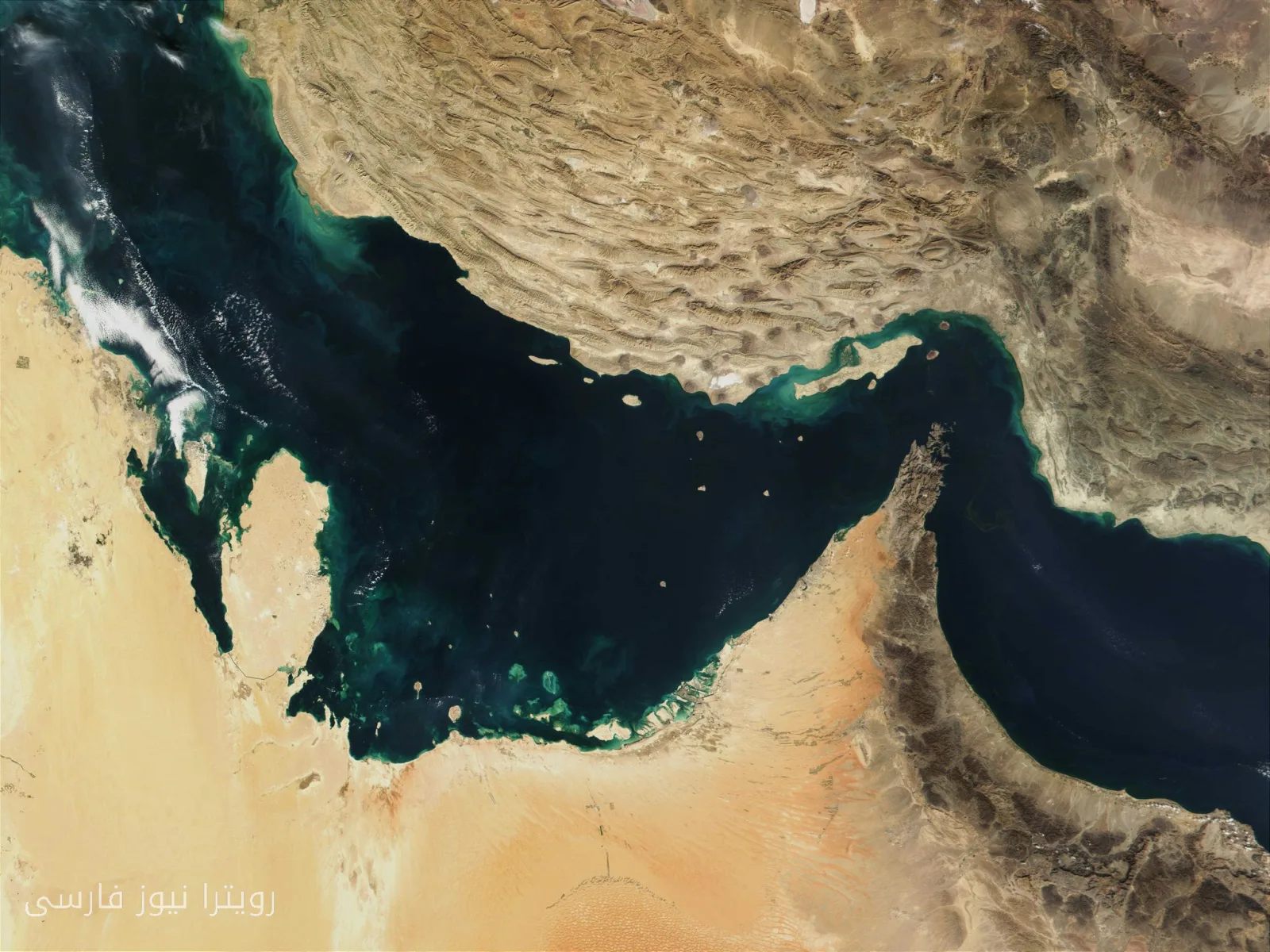
The Iran war, which began in late February, has imposed an additional cost of €90 billion (equivalent to $103.9 billion) on the European Union for fossil fuel imports. Ursula von der Leyen, President of the European Commission, raised this issue on Wednesday at a meeting of EU lawmakers.
Consequences of Dependence on Fossil Fuels
Von der Leyen emphasized that the transportation restrictions in the Strait of Hormuz have once again shown how costly Europe's overall dependence on imported fossil fuels is. She added: "We need to pay more attention to our clean and domestic energies" to achieve energy independence and reduce prices.
European Commission's Energy Goals
The European Commission aims to double the share of electricity generated from domestic energy sources by 2040. This action is expected to save up to €260 billion in fossil fuel import costs by that time.
To ensure that the generated energy is available, there is a need to accelerate network communications, expand storage capacity, and increase investment. Von der Leyen stated: "We need to improve our infrastructure to achieve these goals."
Additionally, this European official called for careful planning and financial support for renewable energy projects. She emphasized that only in this way can energy security be achieved and dependence on fossil fuel imports be reduced.
Future Energy Outlook in Europe
Analysts believe that the actions being taken by the European Commission could have significant positive effects on the energy market and prices. Given the rising energy costs in recent years, these countries are striving to find sustainable and economical solutions.
Ultimately, recent developments in the global energy market and the EU's dependence on fossil fuel imports highlight the necessity for fundamental changes in energy policies more than ever.