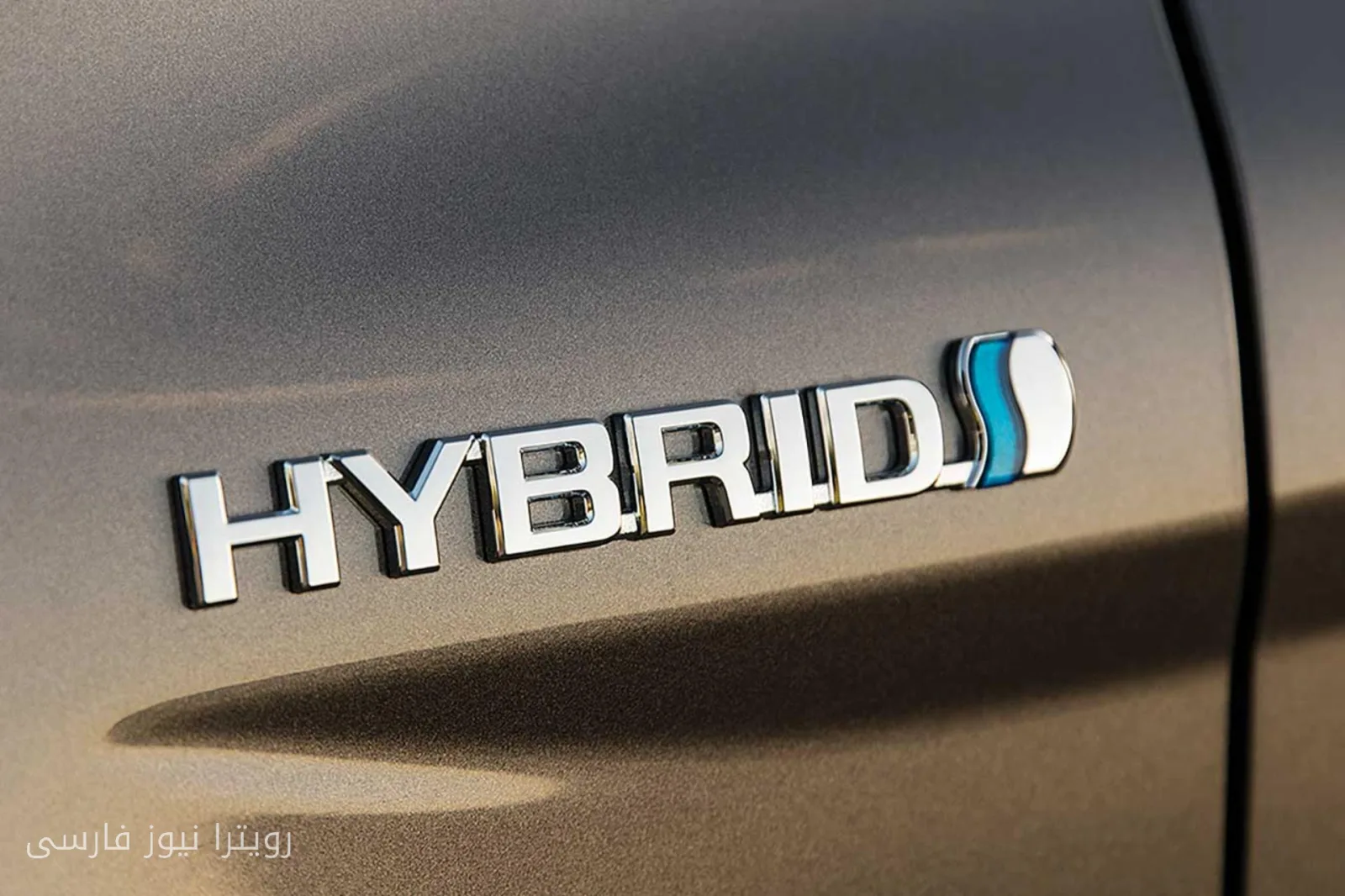
Automakers have long viewed electrification as the future of the automotive industry, but the decline in electric model sales and the appeal of hybrids have disrupted market dynamics.
For many years, the automotive industry pretended that the future of driving would be entirely electric. Major automakers invested billions of dollars in developing electric products, governments imposed stringent tax incentives to lure buyers in this direction, and a new all-electric model was introduced every few weeks. However, by 2026, hybrid cars have become the hottest segment of the U.S. market while electric vehicle sales struggle to maintain the momentum of previous years.
Increase in hybrid market share
In the first half of 2026, hybrids captured a record share of light vehicle sales while the share of electric models remained much more limited. The root of this sudden shift from electric models to hybrids can be traced to three key factors: total cost, ease of use, and most importantly, the lack of need to change everyday driving behaviors.
The biggest advantage of a hybrid vehicle is its efficiency combined with simplicity. You benefit from an auxiliary electric system without the slightest dependence on the power grid or charging outlet. These vehicles are still equipped with a gasoline engine and fuel tank, but alongside that, they utilize one or more electric motors and a battery to significantly enhance efficiency. The electric system assists the gasoline engine during acceleration and recovers wasted kinetic energy during braking.
Factors influencing the choice of hybrids
Price is another determining factor in this competition. Although electric vehicles have lower maintenance costs, their purchase price remains a significant barrier for buyers. This equation became more complicated with the expiration of federal tax incentives for electric vehicles in the fall of 2025, leading to official statistics showing that the market share of electric vehicles dropped to about 6 percent in the first half of 2026, down from 7 percent in the same period the previous year.
In contrast, hybrids achieved a record-breaking 16 percent share of total light vehicle sales in the second quarter of 2026. Buyers looking to save on fuel consumption see no need to incur the heavy costs of an electric vehicle. A hybrid can offer significant savings on gasoline while being close in purchase price and ownership experience to economical gasoline vehicles.
The rising popularity of hybrids has not happened by chance. Major automakers have presented a wider variety of hybrid options to customers than ever before, and many long-standing market models are now offered only with these powertrains. For example, popular models like the Toyota Camry and RAV4 are currently available only with hybrid engines.
The elimination of charging issues and the fear of running out of battery charge during a trip is the primary reason for the renewed interest in hybrids. A car owner can drive hundreds of kilometers and refill the gasoline tank in just a few minutes. This capability makes it much easier for those who live in apartments or do not have dedicated parking for installing a charger to abandon electric vehicles in favor of hybrids. However, the current success of hybrids does not mean the death of all-electric vehicles; rather, it shows that buyers are unwilling to accept a uniform version for the future of the transportation industry.
Read more: Controversial analysis: Will Trump be the best president in history?