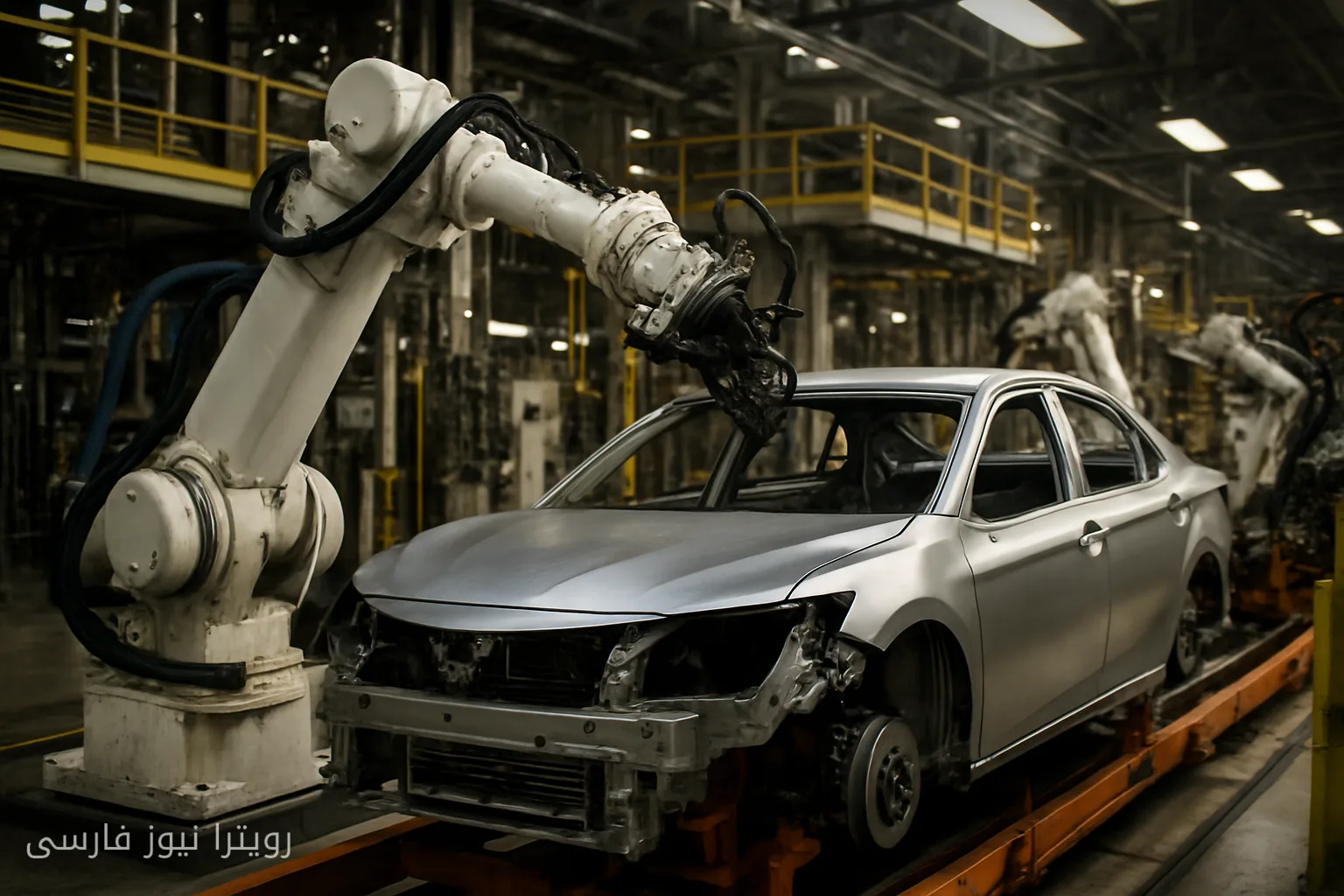
Toyota, as one of the largest car manufacturers in the world, has predicted that the costs related to factory automation and robotic integration will amount to $6.4 billion annually starting from 2028. The company is striving to improve productivity and increase its competitiveness by modernizing production processes and reducing costs and labor.
Toyota's Goals in Automation
Toyota has stated that the main goal of automation and the use of industrial robots is to optimize production and reduce costs. This initiative will help Toyota adapt well to rapid market changes and consumer needs. Automating processes can also lead to a reduction in errors and an increase in product quality.
Economic and Market Implications
Given the high costs of automation, this move could have significant impacts on the labor market and local economy. While automation may reduce the need for human labor, it can also create new opportunities for technical and engineering jobs. Additionally, these changes could affect the final prices of products and benefit consumers.
Toyota also pointed out that with advancements in technology and reductions in robotics costs, this investment could benefit the company and its customers in the long run. Therefore, Toyota believes that these costs will not only be a one-time expense but will also contribute to improved performance and reduced operational costs in the future.
Future Outlook
As Toyota moves towards automation and the use of robots, the company seeks to maintain its position in the competitive automotive market. Given the rapid changes in technology and market needs, Toyota needs to continuously implement necessary updates and improvements. This not only helps increase efficiency but is also effective in attracting new customers and retaining current ones.
Overall, by announcing these forecasts, Toyota illustrates a significant trend in the automotive industry that may lead to fundamental changes in the way cars are produced and distributed. This shift towards automation can be recognized as part of global trends in the manufacturing industry aimed at increasing productivity and reducing costs.