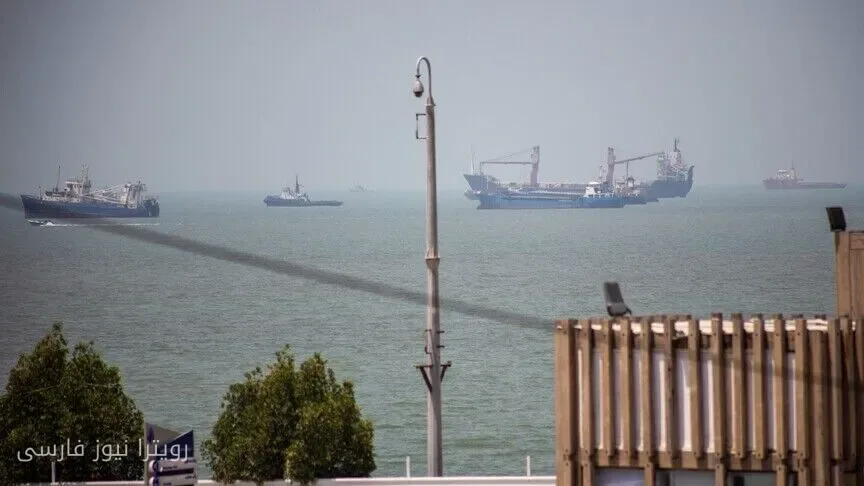
The Director-General of the World Trade Organization, Ngozi Okonjo-Iweala, reported the worst trade crisis in 80 years on the sidelines of the organization's General Assembly in Geneva. She stated that supply chain disruptions in the Strait of Hormuz could pose a serious threat to global food and fertilizer prices.
Growth of Global Trade and Current Challenges
Okonjo-Iweala emphasized that the global trading system remains resilient, noting that ongoing conflicts in the Middle East present a major test for the 166 member countries of this organization. According to reports, global merchandise trade has experienced an unexpectedly strong growth of 4.6 percent this year, while 72 percent of total global trade continues to operate under the rules of the World Trade Organization.
Read more: Amazon Announces New Plans to Expand Same-Day Delivery Centers
The initial forecast for overall merchandise trade growth was 1.9 percent for the entire year, but the growth rate in the first quarter reached 3.2 percent, exceeding expectations. Okonjo-Iweala stated that a significant portion of this growth is due to increased trade in the field of artificial intelligence, which itself stems from low or zero tariff agreements involving $3 trillion in semiconductor and chip transportation.
Consequences of Disruptions in the Strait of Hormuz
The Director-General of the World Trade Organization emphasized that national reserves have temporarily shielded markets from the shocks caused by disruptions in the Strait of Hormuz. However, she warned that prolonged blockages in this vital waterway will inevitably lead to increased agricultural costs.
Previous estimates from the organization indicate that crude oil prices reaching $90 per barrel could reduce overall trade growth by 0.5 percentage points, while current crude oil prices have surpassed this threshold. Maritime carriers have maintained trade volumes by rerouting ships through alternative methods, but these long-term deviations have incurred high costs and called into question the long-term stability of the current supply chain.
Governments around the world are preparing emergency plans to protect their economies from future failures at critical points. Meanwhile, the combination of supply chain instability and rapid technological changes has intensified discussions within the World Trade Organization regarding the need to revise global trade rules for this century.
Okonjo-Iweala emphasized that comprehensive institutional reforms are key to fair global development, and the current framework of the World Trade Organization has repeatedly failed to meet the needs of developing countries. She urged developing countries to participate in the formulation of modernized policies to ensure that they can also benefit from economic opportunities.
A recent report from the World Trade Organization, published as part of its General Assembly, estimated that a lack of multilateral cooperation and failure to modernize regulations could destroy up to 10 percent of potential global economic growth by 2050.
Read more: Gold Price Growth to 25 Million Tomans Dependent on Dollar at 244 Thousand Tomans · Large Investors Moving Towards Gold Purchases During Price Declines