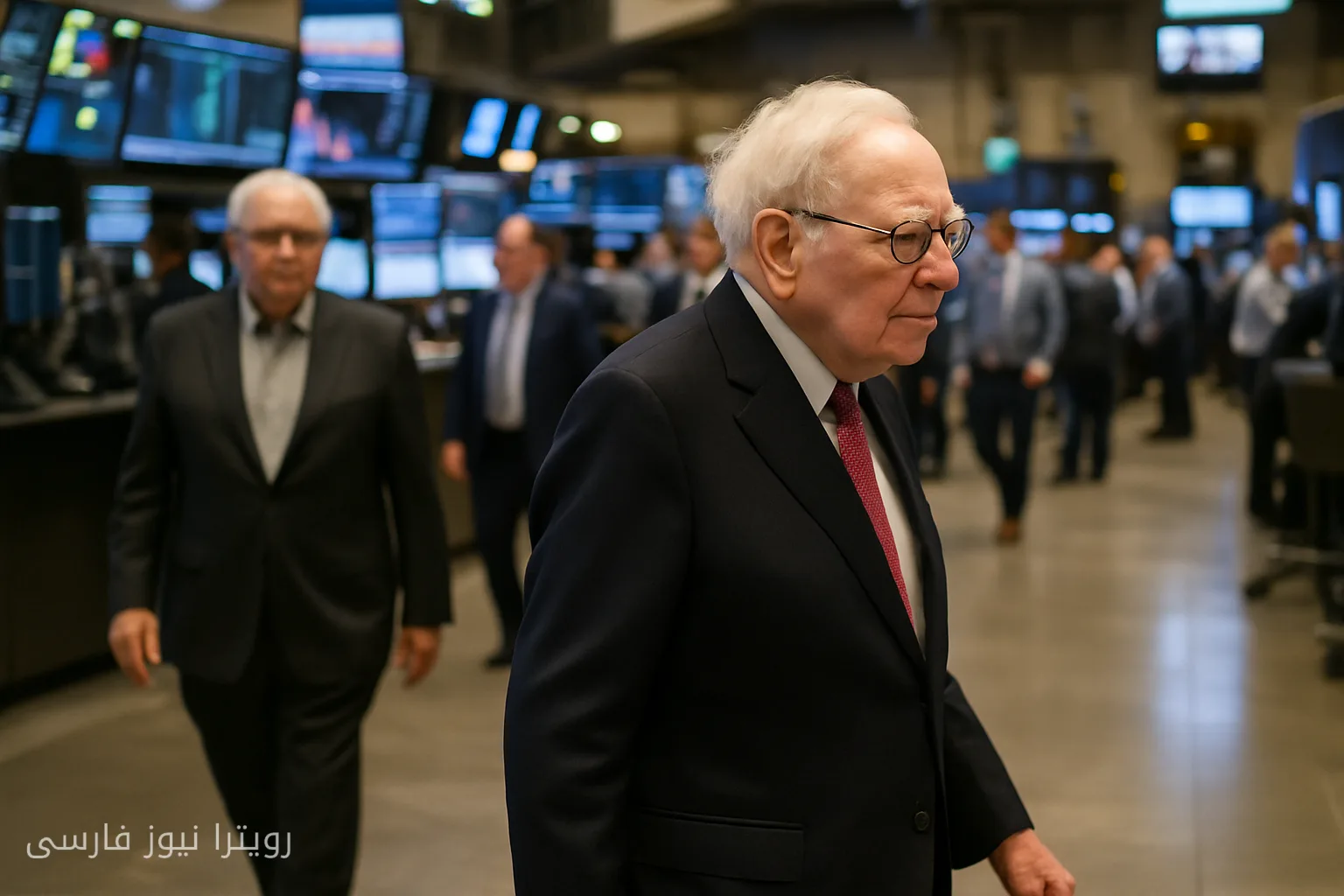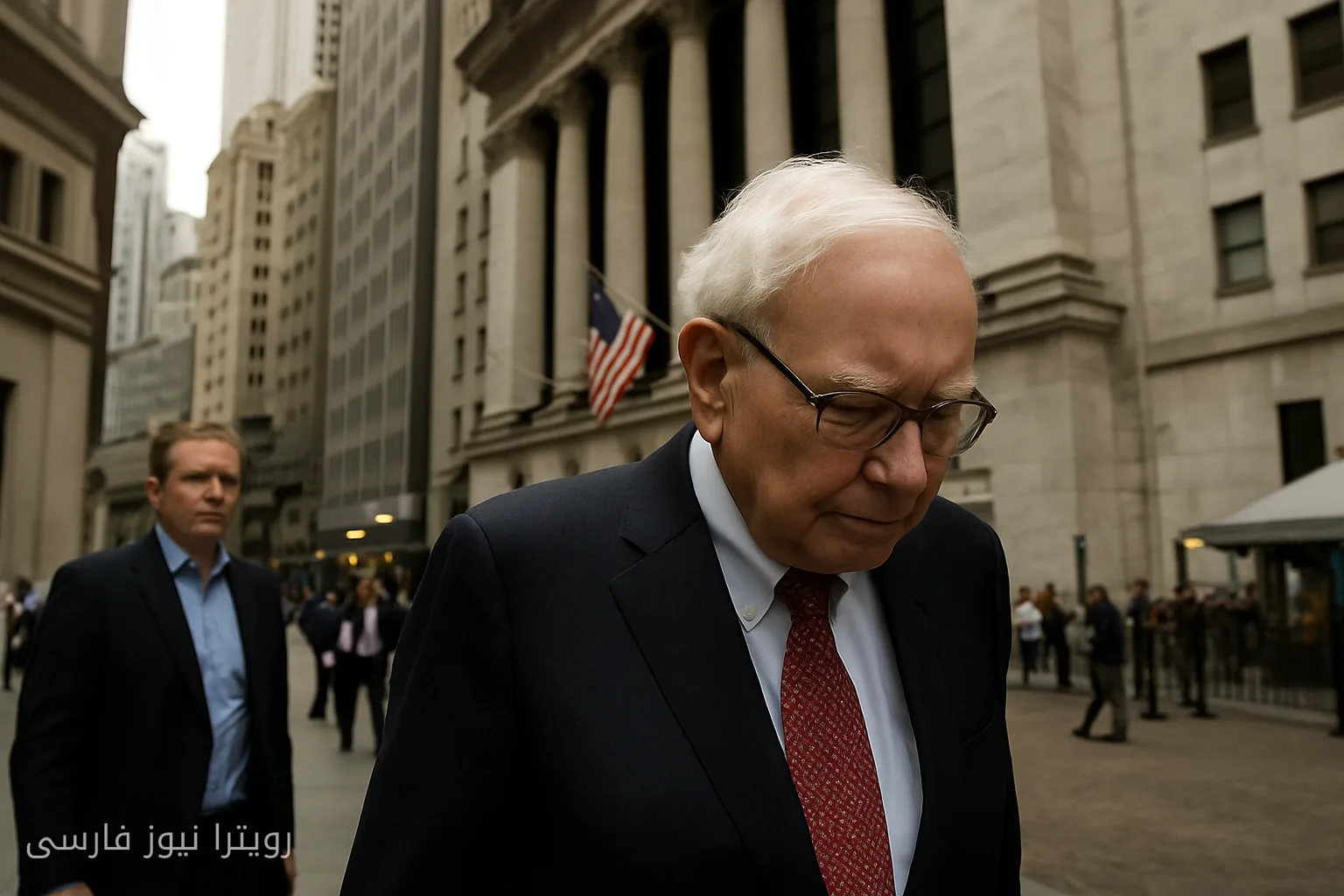
Warren Buffett, the renowned investor and Chairman of Berkshire Hathaway, has officially announced his resignation. This decision has been made as part of the company's long-term succession plan, with his son, Howard Buffett, appointed as the new Chairman.
Background of Buffett's Resignation
Warren Buffett, recognized as one of the greatest investors in history, has achieved remarkable success during his over half-century leadership of Berkshire Hathaway. He is known for his astute investment strategies and ability to identify suitable opportunities in the market. However, Buffett has always emphasized the importance of succession planning and views this decision as part of that approach.
Market Reaction
Buffett's resignation announcement has elicited various reactions in the financial markets. Berkshire Hathaway's stock experienced volatility on the day the news was announced, but analysts believe that the power transition to Howard Buffett, who has significant experience managing the company, could contribute to the stability and continued growth of the firm.
Howard Buffett, who currently serves on the board of Berkshire Hathaway, is prepared to take on the leadership of the company with his diverse business experience. He has also accompanied Buffett in key decision-making over the past years, which may facilitate a smoother transition of power.
The Future of Berkshire Hathaway
Given the impacts and achievements of great successors, the future of Berkshire Hathaway heavily relies on Howard Buffett's performance. He must effectively implement new strategies while maintaining his father's successful approaches. Many analysts believe that this change could present an opportunity for innovation and new growth within the company.
Overall, Warren Buffett's resignation as Chairman of Berkshire Hathaway marks a milestone in the company's history. This change not only affects Berkshire Hathaway but could also influence financial markets and future investments.