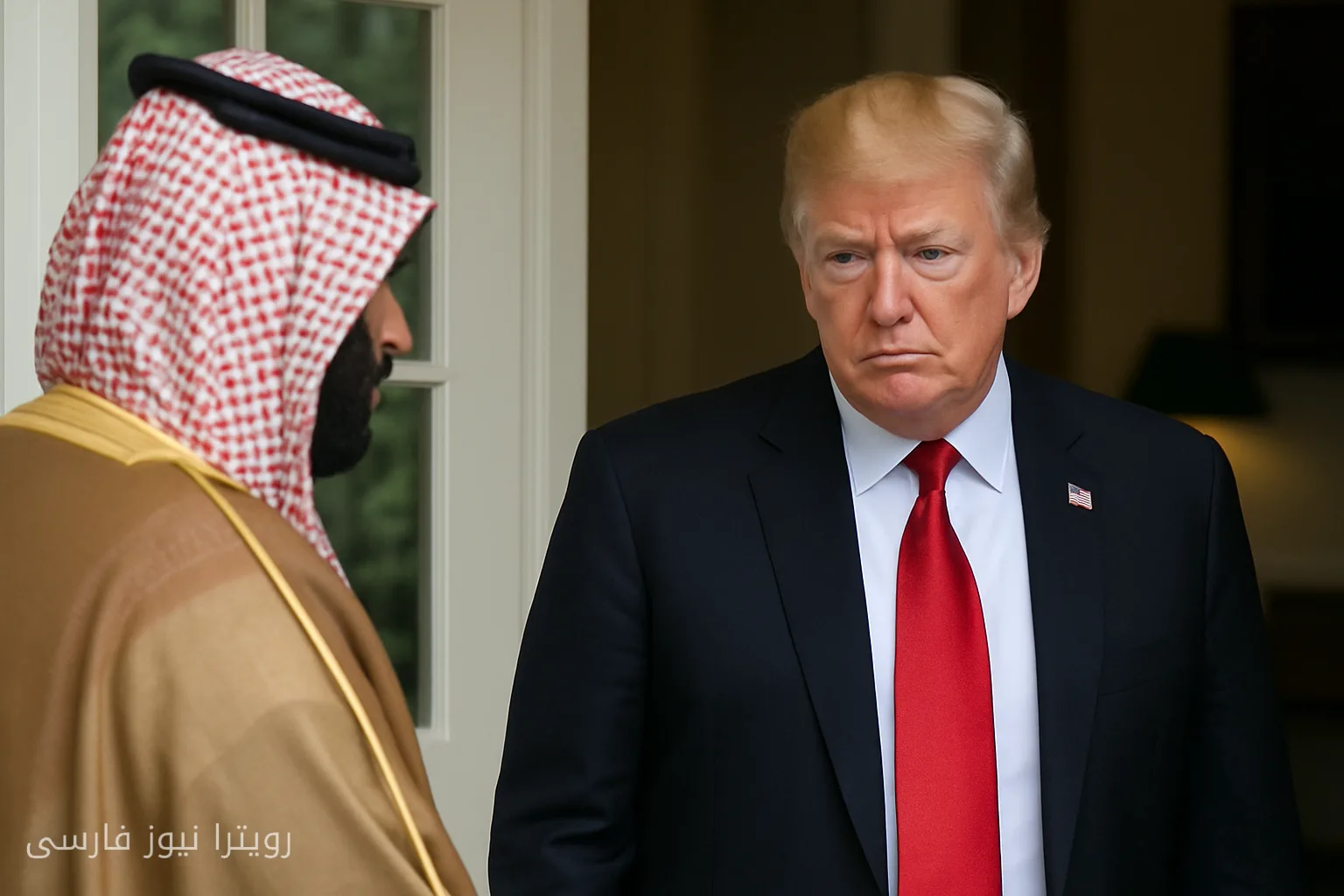
As tensions in the Middle East have reached their peak, Donald Trump, the former President of the United States, has responded negatively to the Saudi Crown Prince's call for military strikes against the Houthi group. This decision not only reflects the Trump administration's cautious approach to regional conflicts but could also impact the complex relations between Washington and Riyadh.
Consequences of Non-Cooperation
The Saudi Crown Prince, Mohammed bin Salman, had directly asked Trump for the United States to attack the Houthis. This request stemmed from Saudi Arabia's increasing concerns about security threats from this Yemeni group, which has significantly increased its power in the region in recent years. However, Trump has clearly indicated that he is not inclined to escalate tensions through military intervention.
This decision by Trump could signify a shift in the United States' approach towards Saudi Arabia, a country that is heavily reliant on American military and political support. On the other hand, this lack of cooperation may lead to feelings of frustration in Riyadh and gradually reduce trust between the two countries.
Looking to the Future
Despite numerous challenges, Trump is clearly attempting to clarify his positions regarding the Middle East. This comes at a time when the situation in Yemen and the existing tensions in the region remain a significant challenge. At the same time, Trump's approach may reflect a larger strategy aimed at reducing U.S. military costs, especially in light of domestic criticisms of foreign wars.
Ultimately, this decision by Trump illustrates the complexities of diplomatic relations in the new era; a time when every action and decision can have widespread implications for global security and stability.