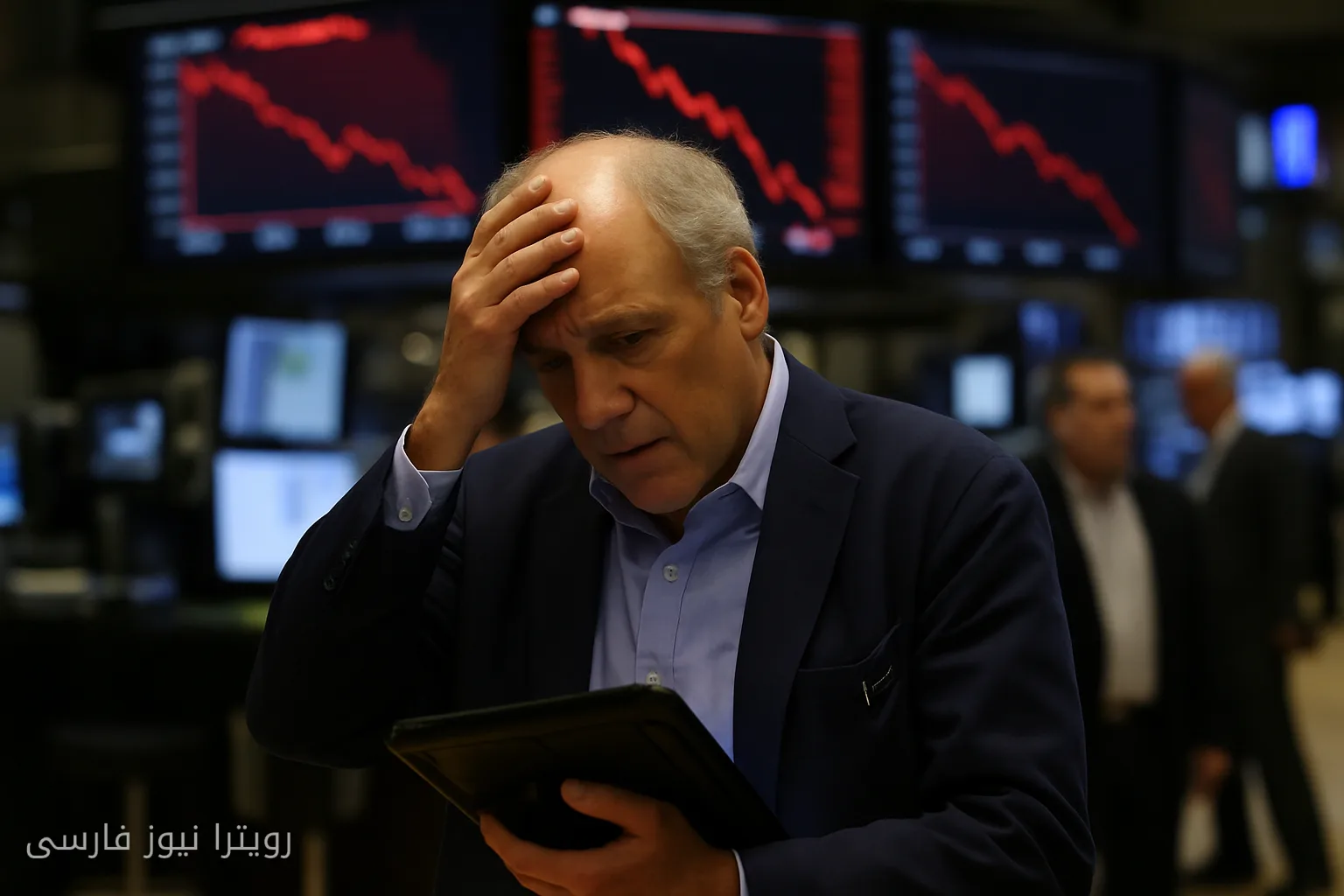
The annual inflation rate in the UK rose to 3.1% in August 2026, indicating growth from 2.9% the previous month. This information was released by the Office for National Statistics and reflects significant changes in prices across various economic sectors.
The Role of the Transportation Sector in Inflation Increase
The transportation sector, especially the price of motor fuels, has contributed the most to the increase in the inflation rate. The Office for National Statistics reported that prices in the transportation sector overall increased by 4.6% in the 12 months leading up to August 2026, compared to 3.6% the previous month, indicating a rising trend in prices in this sector. This price increase may be due to global fluctuations in oil prices and changes in demand in local markets.
Impact of Housing and Household Services
In addition to transportation, the housing and household services sector has also influenced the increase in the inflation rate. The annual inflation rate for this sector reached 4.3% in August 2026, up from 4.1% in July. This increase may be a result of rising rents, utility services, and other living-related costs. Additionally, on a monthly basis, consumer prices rose by 0.5% in August 2026, also up from 0.3% in July.
Examining the inflation rate, especially in the current economic conditions, can indicate the challenges facing consumers and policymakers. Rising prices can put more pressure on households and ultimately affect their economic decisions. Moreover, as the inflation rate has surpassed 3%, the central bank may need to reconsider its monetary policies.
Furthermore, core inflation, which excludes energy, food, alcohol, and tobacco, has reached 2.6% in the UK. This indicates that even with the removal of price fluctuations in energy and food, inflationary pressures still exist in the UK economy.
Overall, the increase in the inflation rate in the UK raises concerns about consumer purchasing power and the potential for economic growth in the country. Given the economic fluctuations and changes in monetary policies, analysts and economists expect these trends to be closely monitored.