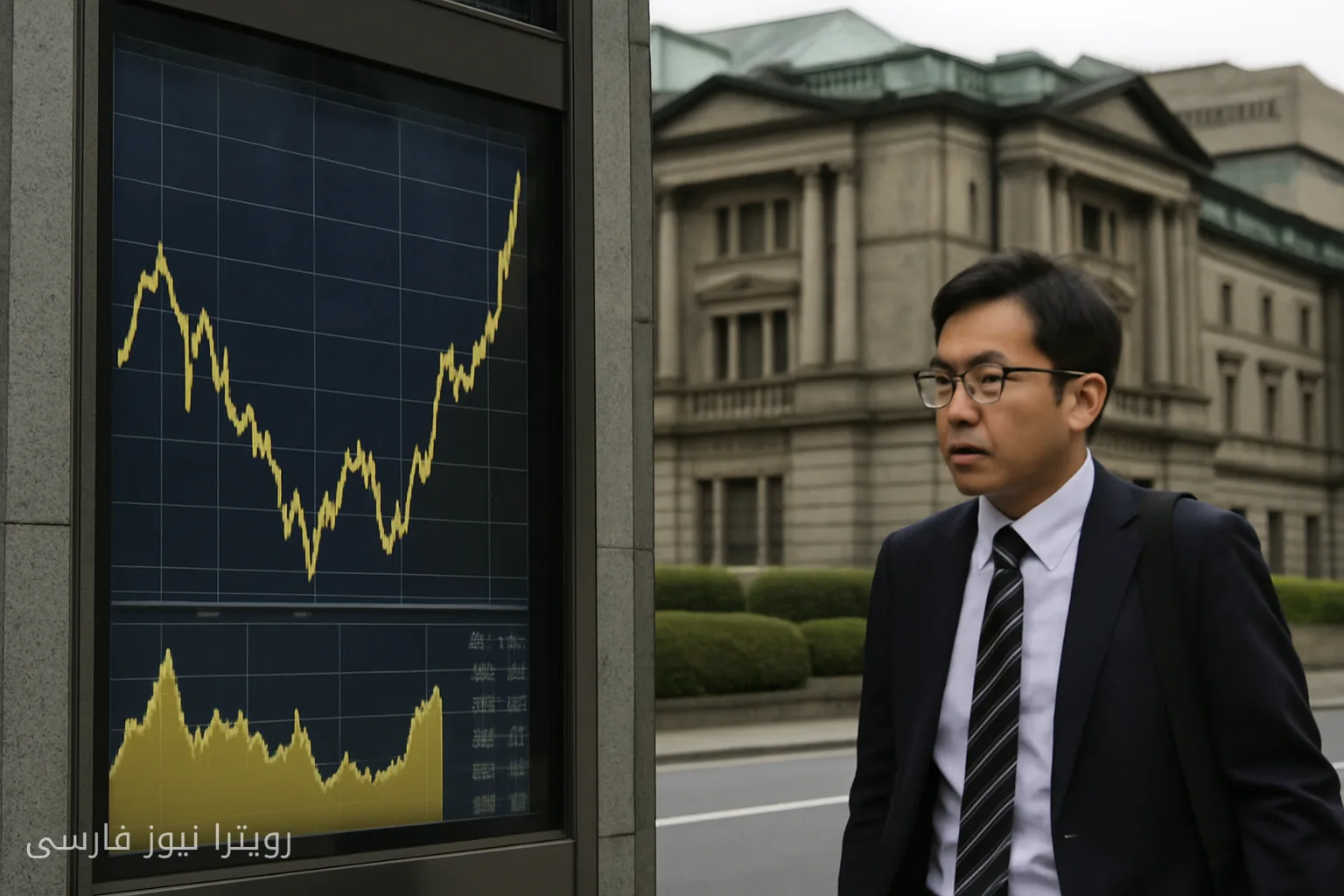
The Bank of Japan (Bank of Japan) raised the interest rate to 0.5 percent, bringing it to its highest point since 1992. This decision, made by a vote of 7 to 2, reflects growing concerns about inflation and the economic situation in the country. Board members, Toyoshiro Asada and Aino Sato, opposed this rate hike, believing that the economic conditions are still not stable enough.
Decision-Making Details
This decision came in response to the ongoing rise in prices and inflationary pressures that have impacted Japan's economy. The inflation rate in the country has reached 3 percent, which is above the central bank's target of 2 percent. This interest rate increase is seen as part of the Bank of Japan's efforts to control inflation and establish economic stability.
Market Reactions
Following the announcement of this decision, financial markets reacted sharply. The value of the Japanese yen strengthened against the US dollar, and investors shifted towards lower-risk assets. Additionally, stocks of borrowing and consumer-related companies were affected, with some experiencing price declines. Analysts believe that these changes could have profound impacts on markets and the global economy.
While the Bank of Japan has officially stated that its main goal is to maintain economic stability and control inflation, some economists warn about the consequences of this decision. They emphasize that raising interest rates could lead to reduced consumption and investment, ultimately resulting in an economic recession.
Future Outlook
Economists are closely monitoring market developments and economic reactions. While some believe that this decision could help reduce inflation, others are concerned that this action may exacerbate an economic recession. Especially considering that many countries are currently facing similar economic challenges, the repercussions of this decision could extend beyond Japan's borders.
The Bank of Japan intends to continuously monitor the economic situation and take further actions if necessary. Experts believe that in the near future, the bank will need to seek a balance between controlling inflation and maintaining economic growth.