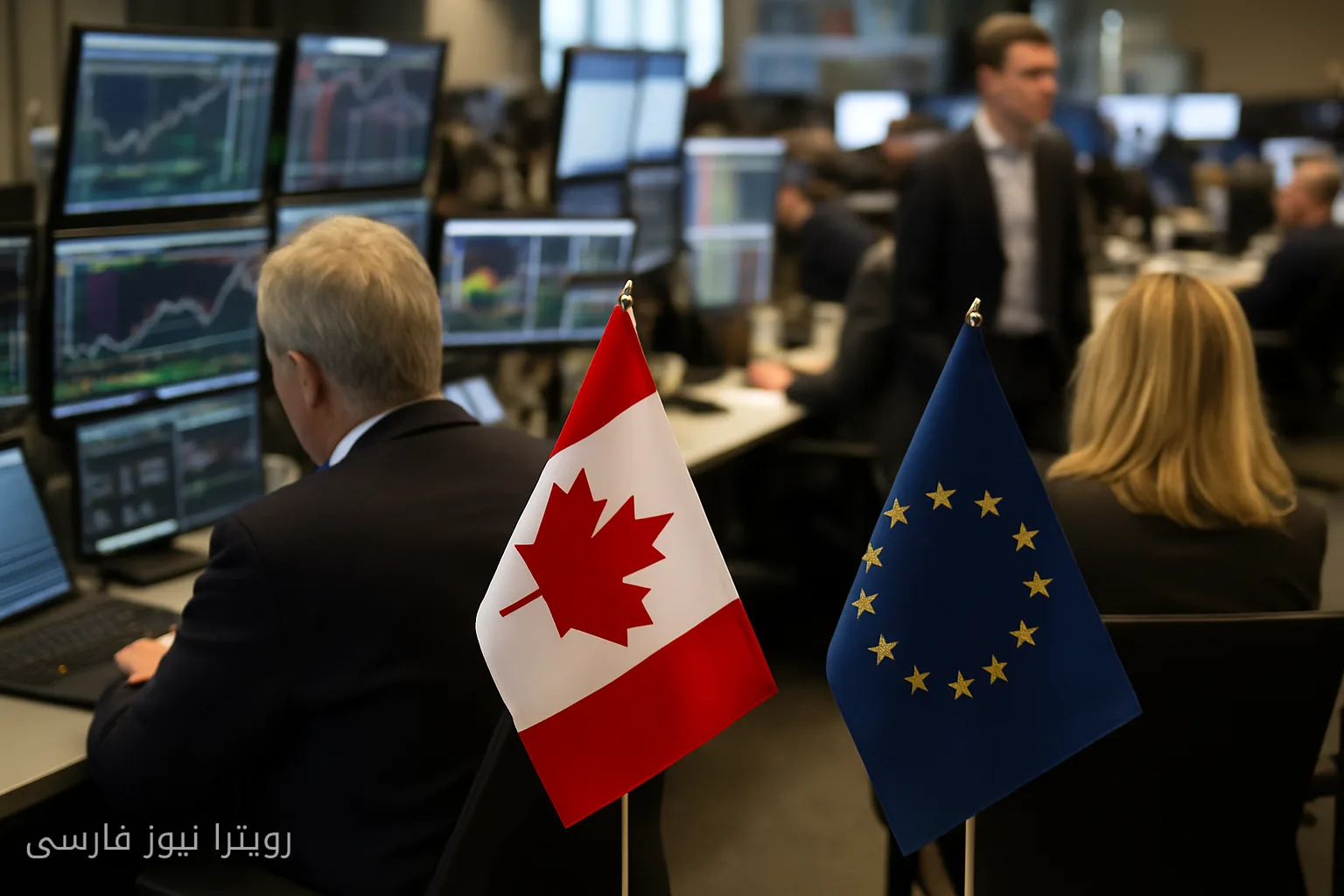
The President of the European Commission, Ursula von der Leyen, stated in a statement that the European Union is seeking to open its doors to Canada in order to make this country the first associate member of this 27-country bloc. This move could significantly help develop economic and political relations between the European Union and Canada.
Background and Objectives
The European Union, as one of the largest economic and political blocs in the world, has always sought to expand its relations with countries outside this region. Making Canada the first associate member could be a way to strengthen these relations and increase economic and trade cooperation. Meanwhile, Canada also has the desire to get closer to European markets and take advantage of new opportunities.
Read more: Germany and Hungary Strengthen Bilateral Cooperation in the New Era
Economic and Political Implications
If Canada is accepted as the first associate member of the European Union, this could have wide-ranging implications for both sides. On one hand, the European Union could benefit from Canada's natural resources and large market, while on the other hand, Canada could gain access to the 450 million-strong market of the European Union. This agreement could lead to an increase in Canadian exports to Europe and attract more investments from European countries.
Additionally, this move could help improve political relations between Canada and European countries and lay the groundwork for further cooperation in various areas such as the environment, security, and human rights.
Challenges and Potential Obstacles
Despite the potential benefits, there are challenges along this path. Some EU member states may have concerns about the entry of a new country into their structure. Furthermore, issues related to trade laws and regulations may act as obstacles in this process. Additionally, there is a need for bilateral and multilateral agreements to resolve various economic and political issues.
Ultimately, while this move could bring new opportunities for both sides, there is a need for careful negotiations and strategic planning to achieve this goal. The future of this cooperation will depend on interactions and agreements between the two parties, and it remains to be seen how this process will unfold.
Read more: Disaster Again: Passenger Dies in Train and Truck Collision in Poland · Tensions Between Pakistan and the USA: From September 11 to the Iran War