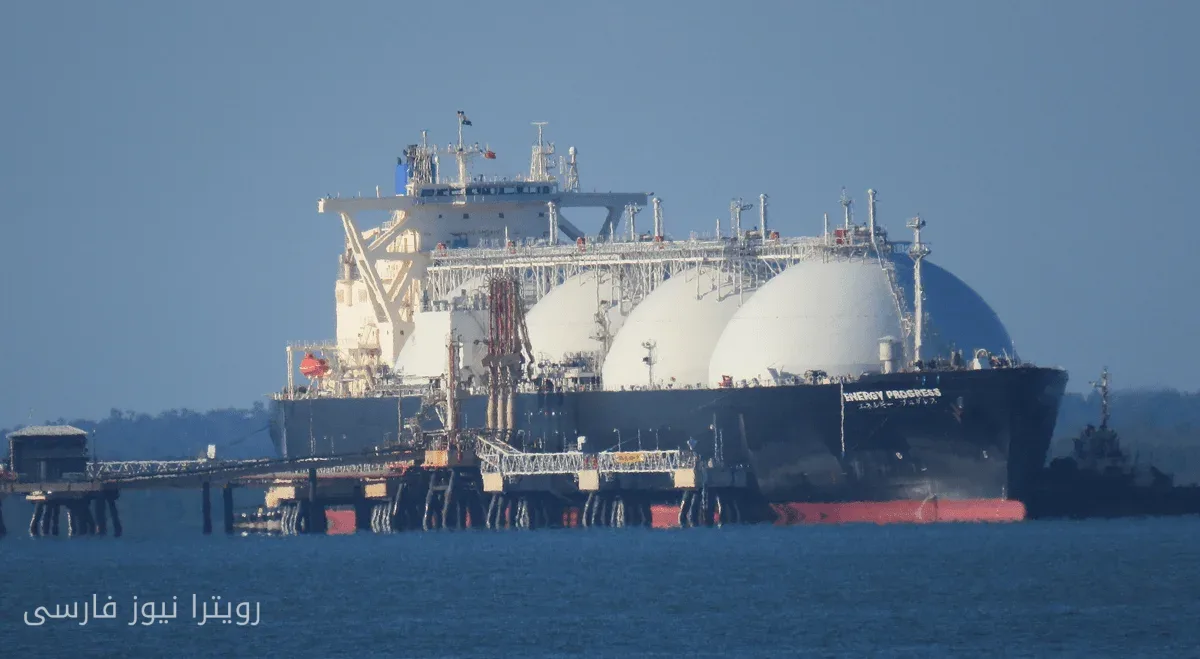
Chevron is looking to expand its activities in new liquefied natural gas (LNG) markets and has begun serious assessments for entering the Argentine and Mediterranean markets. This decision comes in response to the increasing global demand for LNG and the need for energy resource diversification.
Expansion into New Markets
In recent years, global demand for liquefied natural gas has increased due to a reduction in dependence on fossil fuels and efforts to lower carbon emissions. Given these changes in the energy market, Chevron is exploring the expansion of its activities into countries like Argentina, which is considered one of the key sources of shale gas.
Read more: Decrease in dollar and gold prices in domestic markets
The company is also seeking new opportunities in the Mediterranean Sea, where new natural gas projects are being developed. With the rich gas resources in this region, Chevron hopes that by entering these markets, it can increase its share in the global LNG market.
Challenges and Opportunities
Despite the available opportunities, entering new markets is always accompanied by challenges. Political, economic, and infrastructural issues can impact the investment process and project development. For example, in Argentina, economic fluctuations and changes in government policies can affect the attractiveness of investments in this sector.
Chevron must also pay special attention to environmental issues. Given the increasing public focus on climate change and the environmental impacts of energy projects, the company must ensure that its activities comply with environmental standards.
Ultimately, expanding into Argentina and the Mediterranean Sea could help Chevron become more competitive in the global LNG market and contribute to strengthening sustainable energy resources in these regions. Considering the growth in demand in Asian and European markets, this move could be seen as a key strategy for the company's future.
Read more: A consumer's concern about taxes while being tied to a 10-year pension · Pacific island countries: Transforming political geography into climate finance