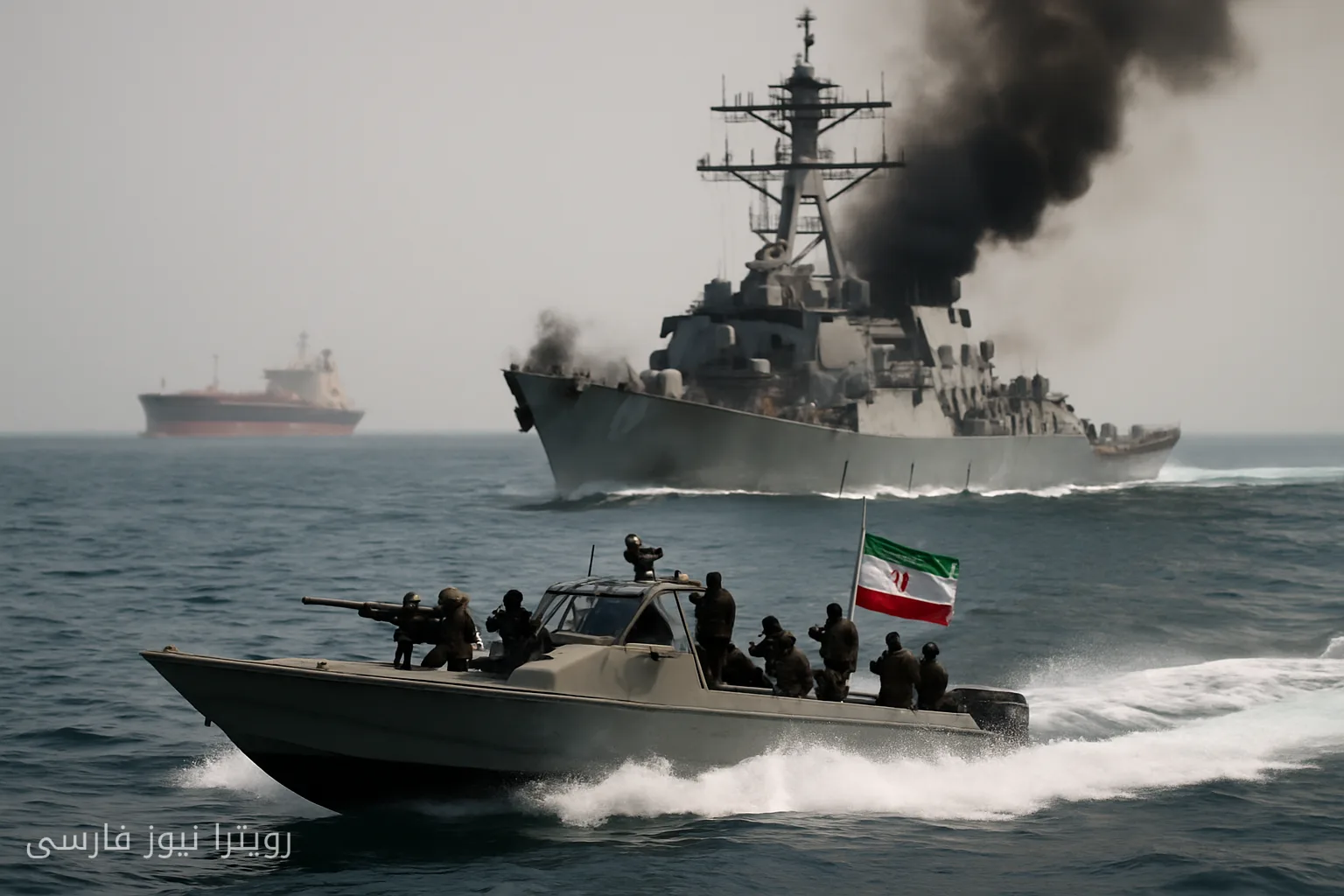
In recent days, the Persian Gulf has become a scene of intense tensions. Iran has announced that on September 9, it attacked commercial ships near the Strait of Hormuz. This action was taken in response to recent U.S. attacks on several Iranian oil tankers that were destroyed in a single day. This confrontation is a sign of the escalation of the crisis in the six-month war between the two countries.
Impact on Oil Market
These developments have also affected global oil prices, which have risen above $100 per barrel. This price increase will impact not only regional economies but also global markets. Analysts believe that the continuation of these tensions could lead to rising oil prices and instability in energy markets.
Future of Tensions
Reciprocal attacks between the two countries indicate a maritime cold war that does not seem likely to end easily. Given the tense history of Iran-U.S. relations, there is a possibility that these conflicts could evolve into new forms of unrest in the Persian Gulf in the near future. Many countries are monitoring this situation and assessing its impacts on global security.
Considering the current situation, it seems that Iran and the U.S. are engaged in a dangerous game that could have serious consequences for both countries as well as for the global economy.