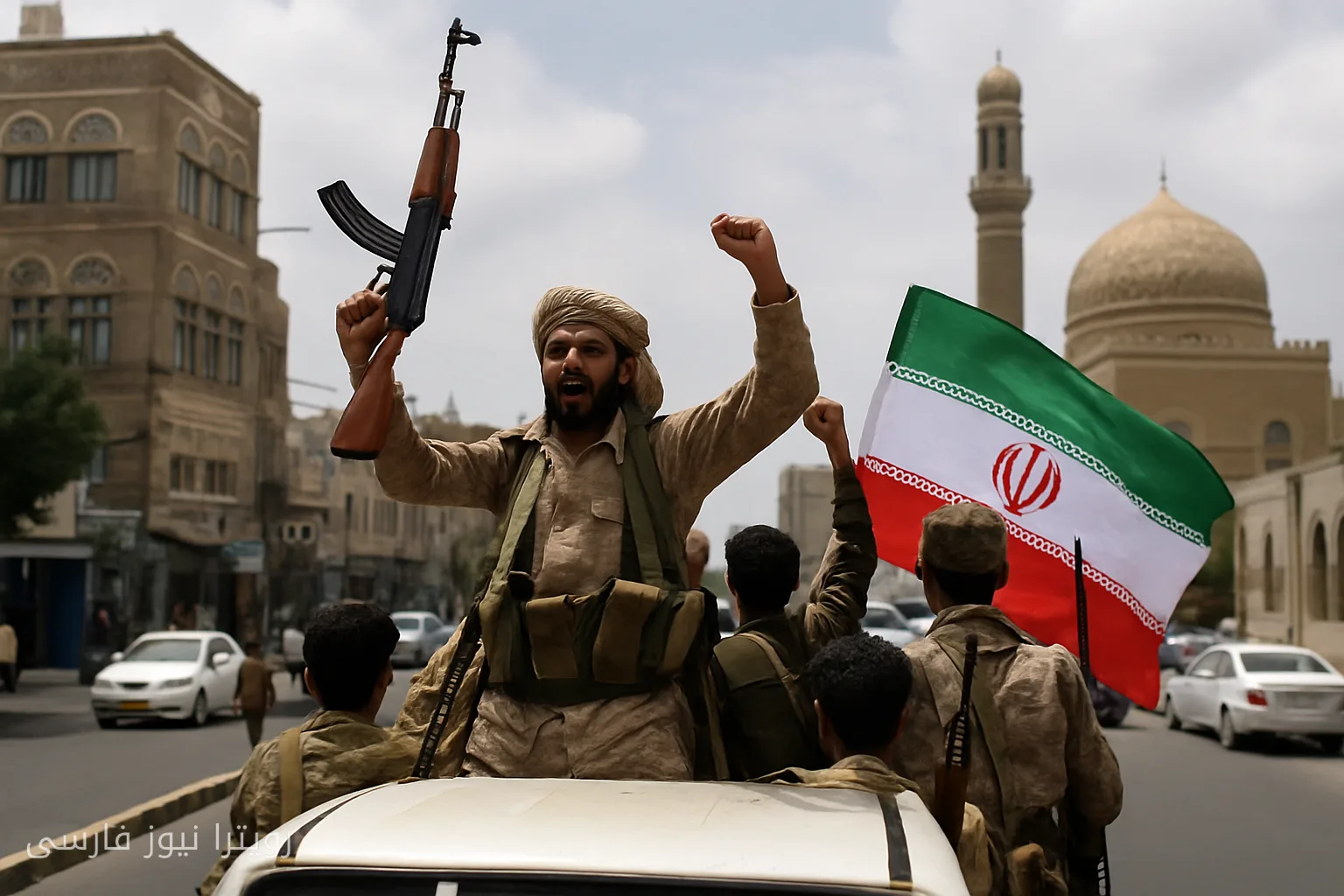
Iran has recently celebrated the Houthi victory in seizing the Red Sea coast, calling it a "divine appointment." This event has not only drawn attention but also escalated existing tensions in the region. In this context, the foreign ministers of the Gulf countries are set to meet with their Iranian counterpart on September 14.
Efforts for Regional Support
Oman and Iran are working to gain regional support from other countries for a temporary agreement. These negotiations are taking place amid heightened political and military tensions in the Persian Gulf. Many analysts believe that the actions of the Houthis could be seen as a new strategy by Iran to strengthen its influence in the region.
Meanwhile, the Houthi victories have drawn attention to Iran's role in the developments in Yemen and the Persian Gulf. Iran has always been recognized as the main supporter of the Houthis, and this new victory could be considered a strategic success for Tehran. But will these developments lead to a reduction in tensions, or conversely, will they stoke the fire further?
Oman's Role in Mediation
Oman is recognized as a traditional mediator in the region and is trying to reduce tensions through diplomacy. While Iran seeks to strengthen its relations with the Houthis, Oman is also striving to create conditions that lead to constructive dialogue at the regional level. This comes as many countries are concerned about the increasing influence of Iran in the Persian Gulf.
It seems that the future of relations between Iran and the Gulf countries, especially in light of these developments, is heavily dependent on the behaviors of the Houthis and regional reactions. Will these victories grant Iran more credibility, or will they push them down a new path of tensions?