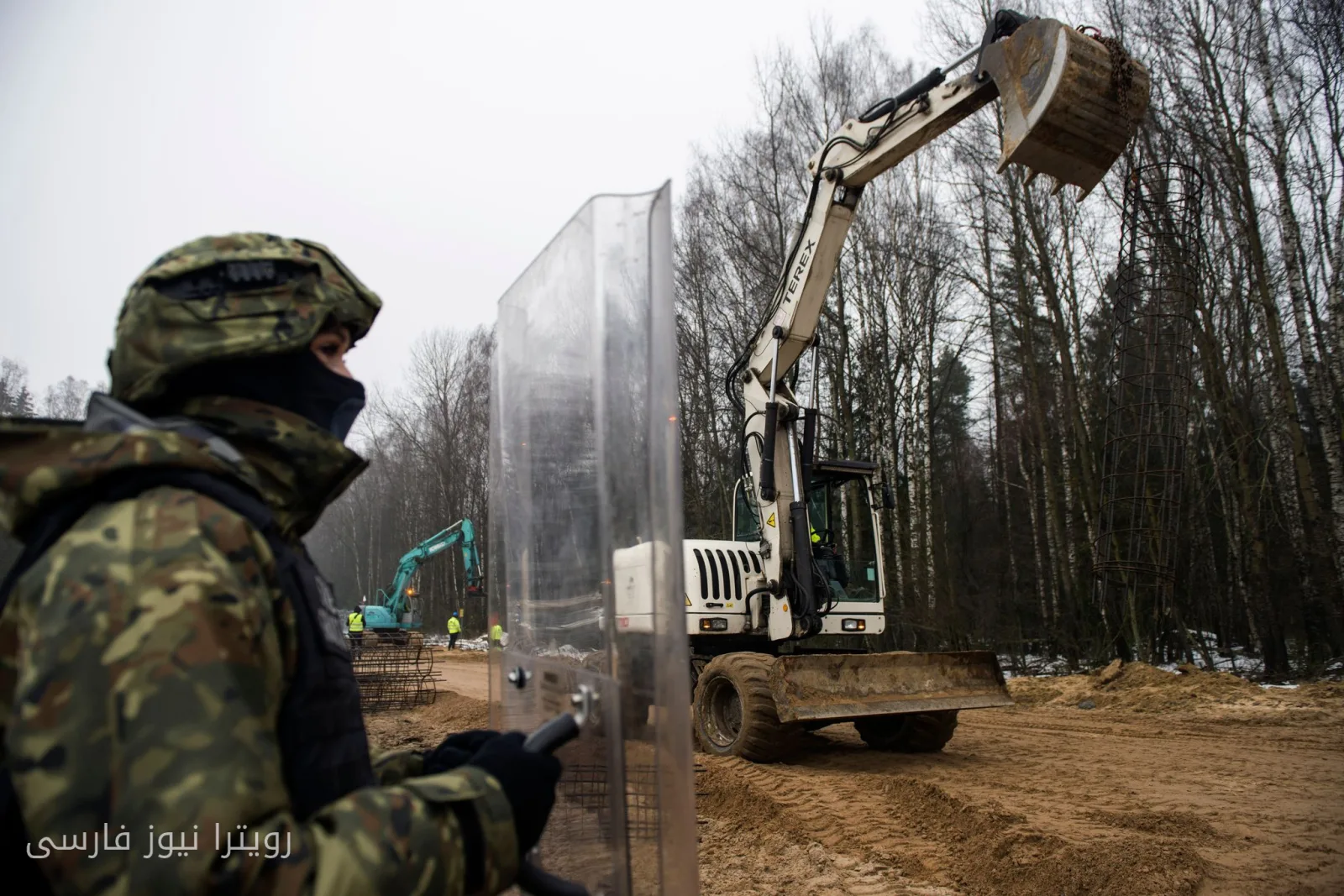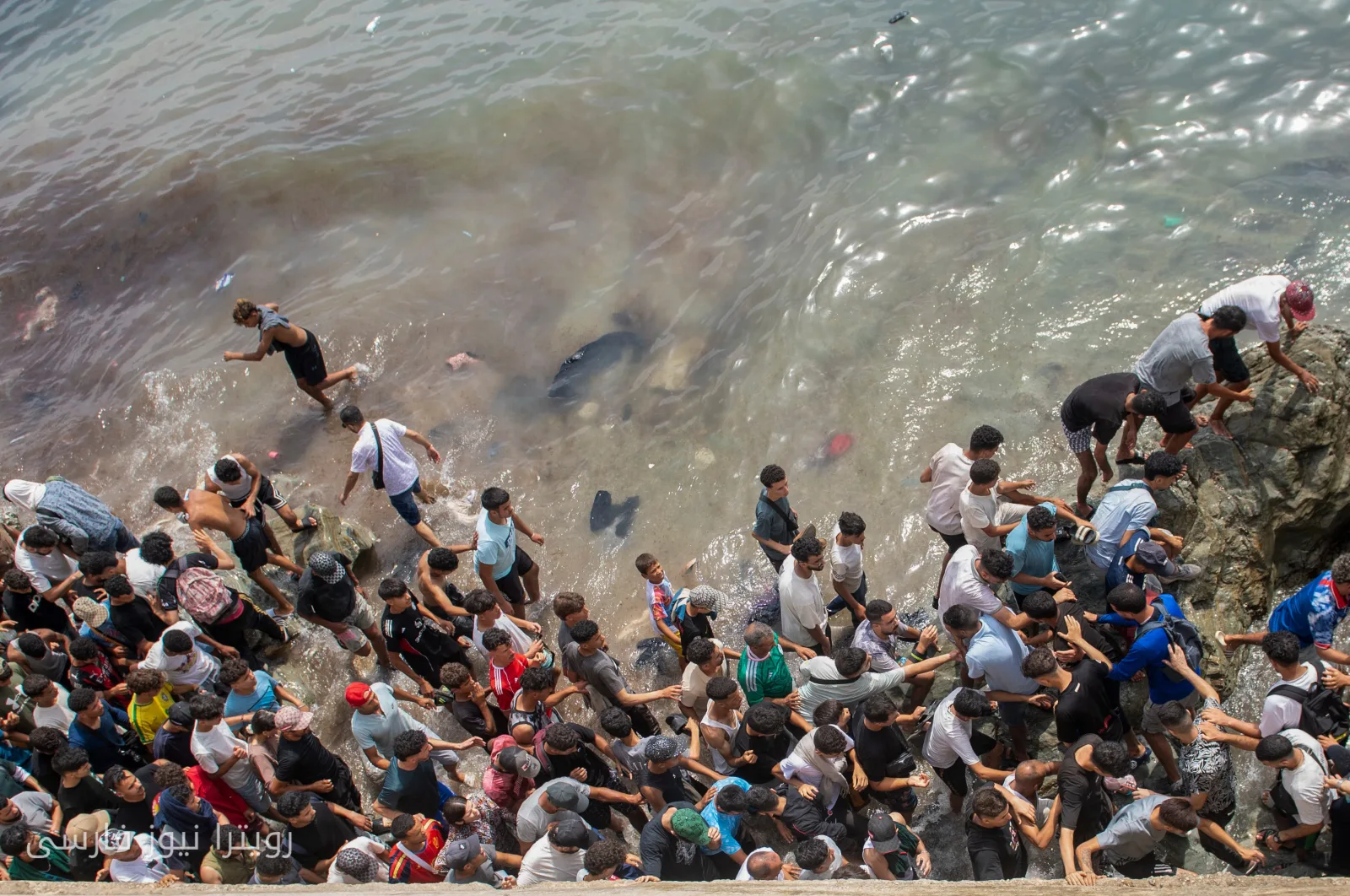
Italy on Tuesday extended border controls for visitors from Spain for another 15 days. These controls, which were implemented following the arrival of over 72,000 migrants to the Spanish territory of Ceuta from Morocco in late July, are now continuing due to concerns over internal security.
Spain's response to Italy's actions
In response to these measures, Spain has also extended its border controls for individuals entering from Italy for another 15 days. The Spanish Foreign Ministry stated that the conditions that led to these retaliatory measures remain in place.
Most migrants returned to Morocco after the Ceuta crisis, but the Italian government led by Giorgia Meloni and other European leaders with hardline tendencies have used this crisis as an opportunity to criticize the immigration policies of Pedro Sánchez, the Socialist Prime Minister of Spain. This comes despite Sánchez's government having legalized migrants a few months prior to the Ceuta crisis.
Internal security threats and reasons for extending controls
Italy has justified the border controls by citing internal security threats, and the country's Ministry of the Interior announced that it has informed the European Union and other European governments that "there are high risks to internal security, in addition to the potential threats related to terrorist infiltration."
These controls include random inspections at airports and ports for travelers entering from Spain. Additionally, the European Union allows member countries to temporarily re-establish controls at their internal borders in the event of a serious threat, but these controls must be applied as a last resort in exceptional circumstances and should be limited to a specific timeframe.
Before Italy imposed border controls, travelers departing from Ceuta and Melilla, another Spanish territory in North Africa, were under EU border controls at ports and airports.
Non-governmental organizations have reported that more than 140 people have lost their lives in attempts to cross to this territory, including individuals who drowned at sea or were involved in accidents while trying to breach barriers.
More than 5,000 migrants remain in Ceuta, turning this into a humanitarian crisis that has become a political burden for Sánchez in Spain and beyond. His government has decided to implement an amnesty for undocumented migrants who can prove they have been in the country for at least five months and entered before January 1 of this year. Over one million people applied before this opportunity closed.