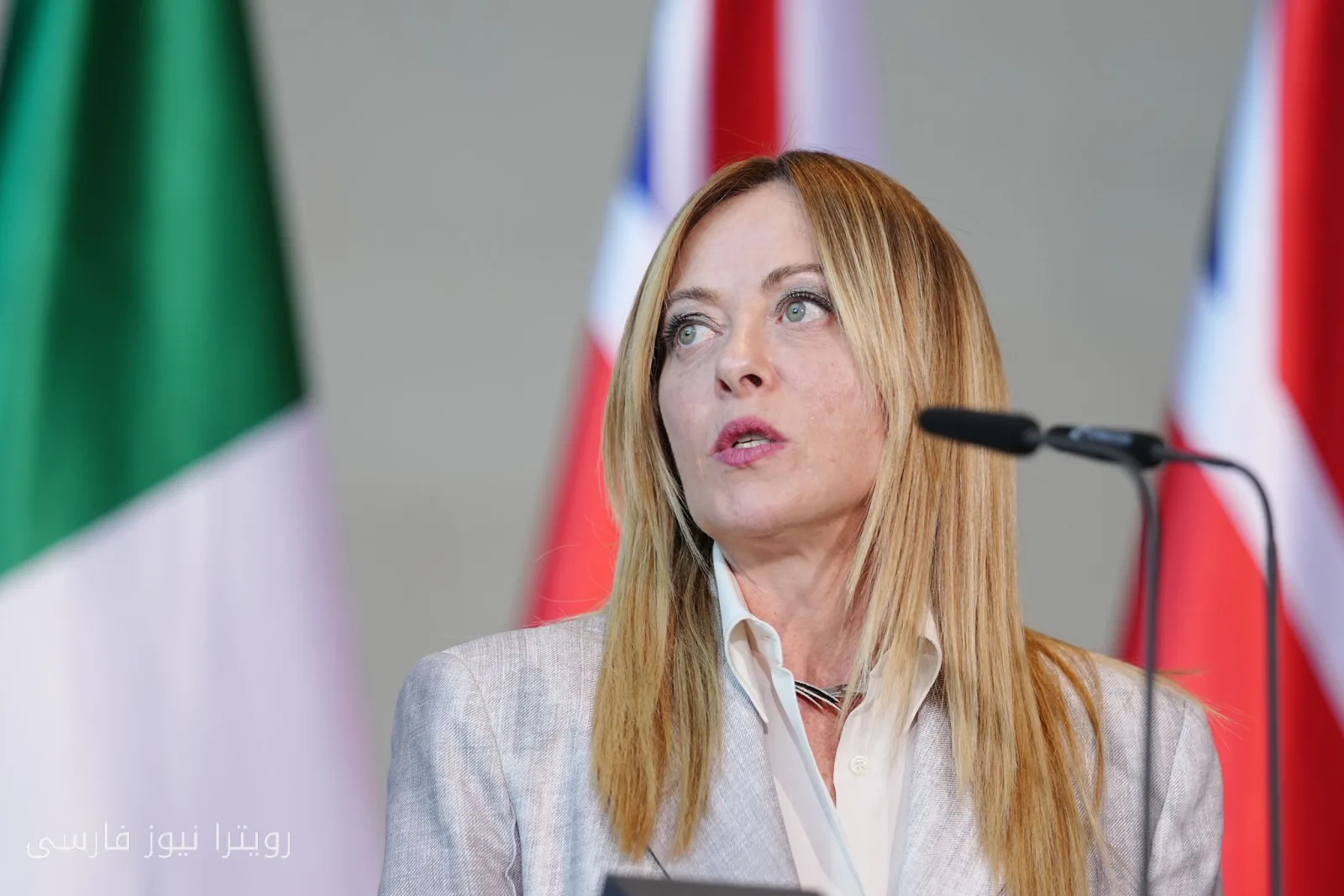
As Europe seeks solutions to combat political and social extremism, Italy's Prime Minister, Giorgia Meloni, recently emphasized the ineffectiveness of Germany's policies against the right-wing AfD party during a press conference. She stated that German officials have merely resorted to performative and populist measures instead of creating an effective firewall.
Rise of AfD Influence
Meloni, referring to the increasing popularity of AfD in Germany, remarked: "When we do not address the real problems of the people, extremist parties become more popular among the public. In this situation, Germany's firewall against AfD cannot yield positive results." She explicitly stated that current policies need to change and European countries must seek real and practical solutions to confront this threat.
These remarks by Meloni not only intensified criticisms of Germany's policies but also indicated changes in Italy's approach towards its neighbors and shared challenges at the continental level. She emphasized: "We must learn from each other's experiences and form effective collaborations instead of political rivalries."
Political Consequences at the European Level
Meloni's criticisms of Germany at this time could lead to serious changes in relations between the two countries. Concerns about the influence of extremists are raised as a serious challenge to political stability in Europe, and Meloni has well understood this issue. By emphasizing the need for a joint approach to tackle this challenge, she has also invited other countries to collaborate.
Ultimately, it seems that Meloni's statements reflect a shift in the political landscape of Europe that deserves special attention. Will these criticisms lead to real changes in European policies? Only time will answer this question.