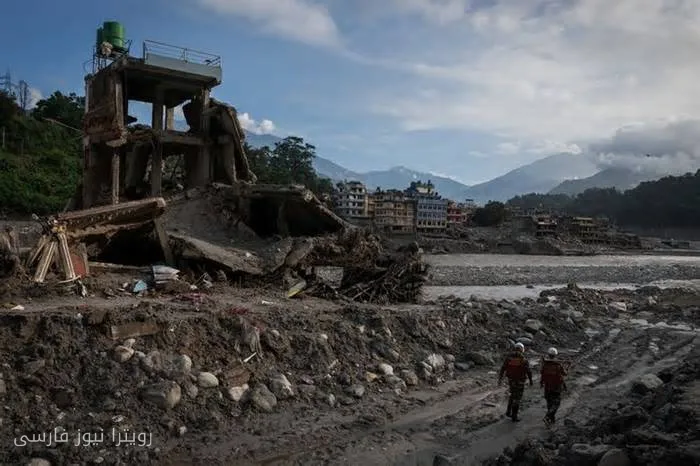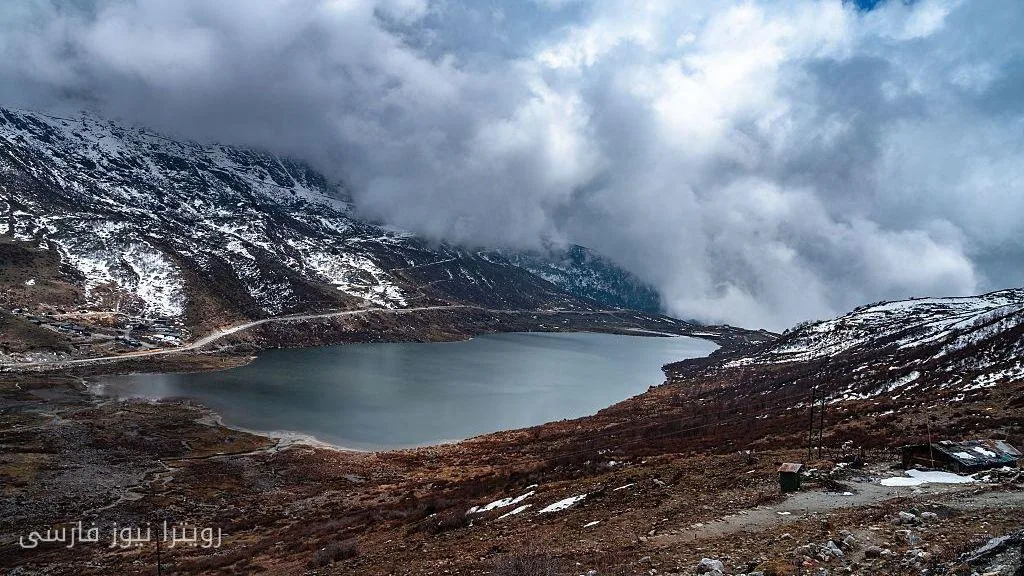
The melting of the Himalayas has become one of the serious issues that could have profound effects on India's economy. According to recent reports, this region is melting faster due to climate change and rising temperatures. The Himalayas, as one of the largest sources of freshwater in Asia, provide water for millions of people in India and neighboring countries.
Economic Consequences of Glacial Melting
The melting of the Himalayan glaciers leads to reduced water reserves and increased flood risks. These changes could negatively impact agriculture, industry, and public health. Water resources that are directly supplied by the Himalayan glaciers play a vital role in India's agriculture, and disruption in these resources could lead to decreased agricultural production and rising prices.
Read more: Climate Feedback Loops: A Serious Threat to the Future of the Earth
Additionally, with rising temperatures and the melting of glaciers, the risk of severe flooding also increases. These floods can destroy economic infrastructure and incur high costs for the government and society.
Impacts on Water Resources and Agriculture
Considering that the Himalayas are known as the "Roof of the World," the reduction in glacial volume could lead to decreased quality and quantity of available water. This could negatively affect agriculture and related industries. In particular, agricultural areas around major rivers that are supplied by Himalayan waters may face water crises.
Research indicates that if the current trend continues, by 2100, a significant portion of the Himalayan glaciers may completely melt. This poses a serious threat to water supply and food resources and requires immediate action regarding water resource management and climate change.
Ultimately, various scenarios for the future of the Himalayas and their impacts on India's economy must be carefully examined. Policymakers and researchers should seek sustainable solutions to preserve these valuable resources to prevent negative economic consequences.
Read more: Africa on Fire: The Risks of Climate Change and the Need for Urgent Action · New Pacific Ocean Program: Climate Change is a Serious Threat to Health