A new interpretation of the Endangered Species Act has been announced by the Donald Trump administration, which states that killing endangered animals during activities such as logging or dam construction will not be considered illegal unless these animals are specifically targeted. This change in interpretation represents a significant shift in how this environmental law is enforced.
Details of the New Interpretation
A new guideline sent to employees of the U.S. Fish and Wildlife Service states that endangered animals or plants must be intentionally targeted for their killing to be considered illegal. This change in approach is very different from previous methods that held individuals responsible even for accidental harm to protected species.
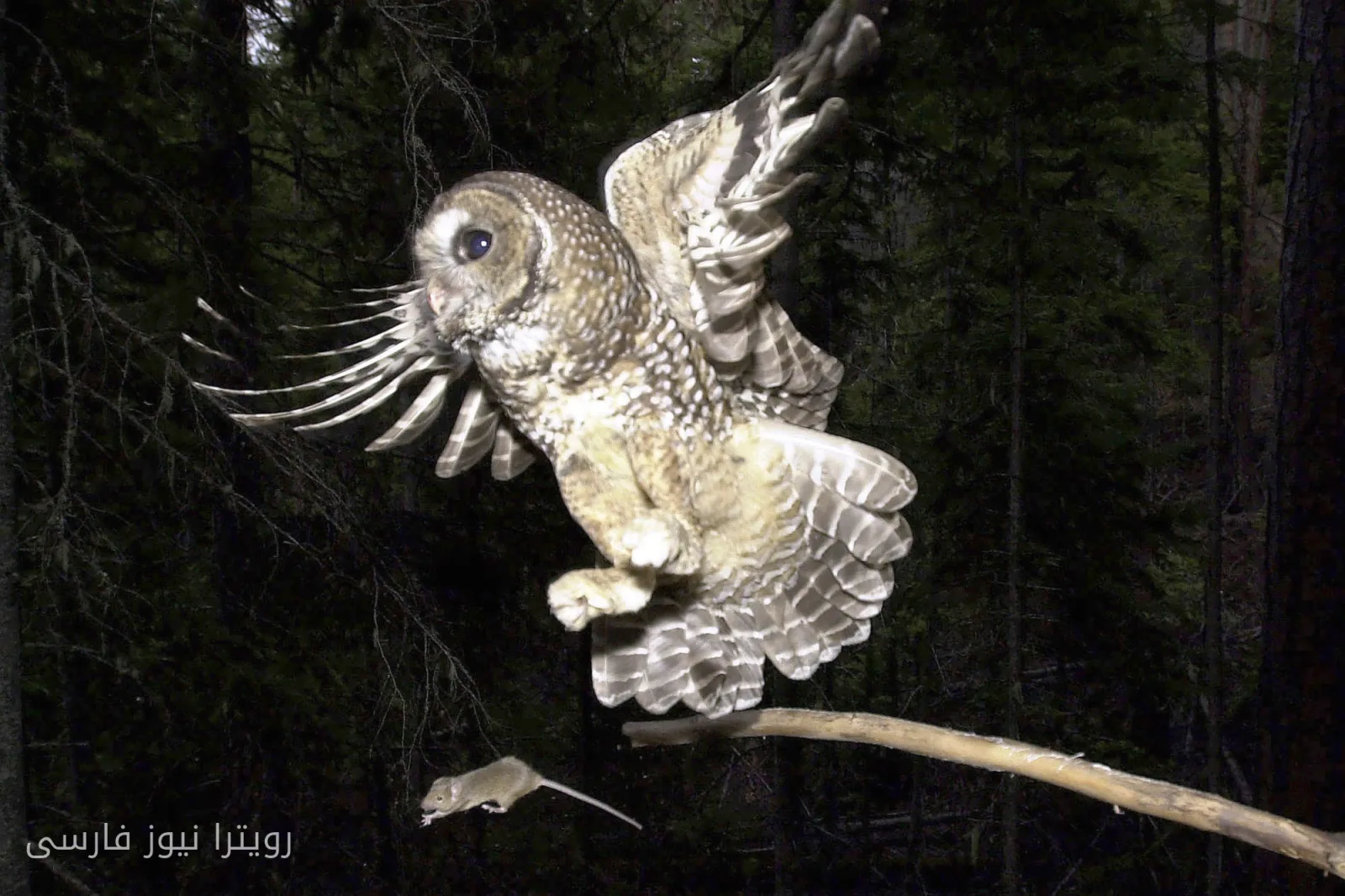
Experts have stated that this change allows timber companies to cut down trees in the Pacific Northwest forests, even if they know this may lead to the death of endangered birds nesting in those trees. This change also allows developers to build dams while knowing this will harm salmon fish.
The Role of Legislators and Environmental Consequences
These changes have been made specifically under pressure from Republican lawmakers and industrial lobbyists, and Trump administration officials have taken steps to weaken key sections of the Endangered Species Act. These officials have stated that their goal is to restore the law to its original meaning, following a Supreme Court decision in 2024 that limited the powers of federal agencies in interpreting environmental laws.
At the same time, states and conservation groups have filed multiple lawsuits to revert the new changes. The new interpretation states that cutting down a tree that bats inhabit will not be illegal as long as the intent of the cutting is not to kill or capture them. This change in interpretation has drawn significant criticism, and some experts have warned that these actions could quickly lead to the extinction of endangered species.
Environmental activists view these changes as an opportunity for companies to harm protected species and destroy habitats. These changes are seen as a radical revision of the interpretation of the Endangered Species Act that could have profound impacts on wildlife status.