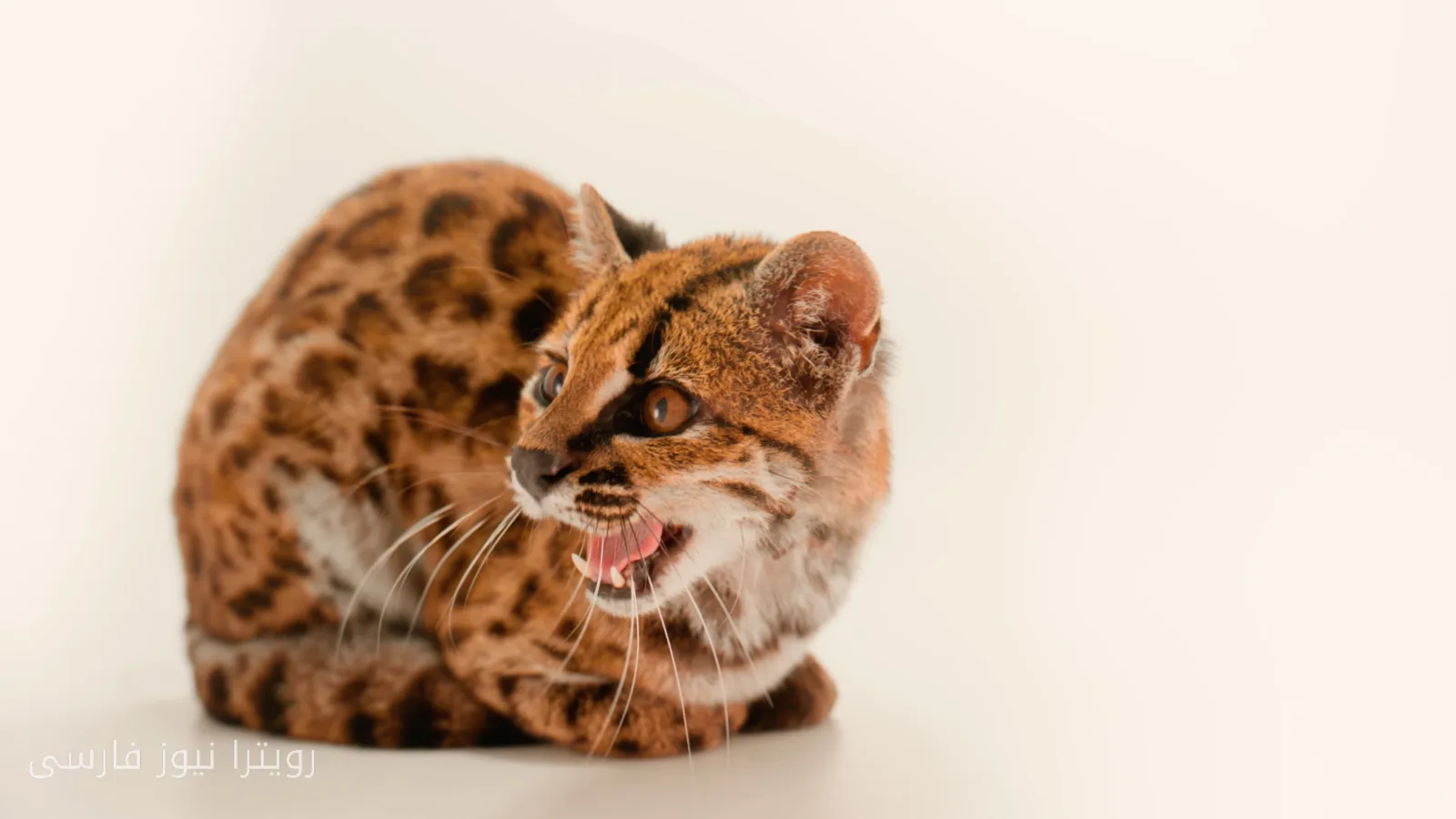
Researchers have recorded the first new discovery in the cat family in over 100 years by identifying a new species of cat named Leopardus tilcayo. This new species is related to forest habitats in Bolivia and has been presented as an important scientific discovery in the world of biology.
History of the Discovery
In 2016, Paula Nogales-Ascaron, a biologist and National Geographic explorer, received a report from a wildlife sanctuary in Bolivia. They introduced her to a so-called "strange" cat that had been found by a local man. This man had considered the cat to be a domestic breed, but after a while, he realized that this animal was a wild species and it was better to hand it over to the sanctuary.
Read more: The Impact of Climate Change on Colorado River Drought; Not Data Centers!
Nogales-Ascaron, as the lead researcher in the Bolivian Cat Research Program, began to investigate this animal. She noticed that this cat had specific features, including a small face and round, short ears, and was noticeably smaller than domestic cats. Most importantly, its body was covered in spots resembling a leopard.
Research and Confirmation of New Identity
Early in the research process, Nogales-Ascaron suspected that this cat belonged to the species Leopardus tigrinus. However, in 2019, while preparing a booklet on Bolivian cat species, she noticed significant differences between photos of this cat and reference photos of neighboring cats in Brazil. She found that the spots on her cat were larger than those observed at the Brazil border.
This discovery was aided by genetic analysis and collaboration with Eduardo Izuriki, a geneticist, and Jonas Leskroart, a co-author from the University of Antwerp. The research team successfully identified the specific position of this new species in the cat family tree. The name Leopardus tilcayo was chosen due to its local connection.
Importance of the Discovery and Implications
This discovery is significant not only as the first new cat recognized since 1923 but also as it reevaluates the cat family tree, identifying more diverse species. Researchers hope that the methods used to identify L. tilcayo will lead to the identification of more cat species globally and aid in the conservation of these species.
While physical differences such as tail length and spot size can be important indicators for identifying species, genetic analyses are recognized as the gold standard in this field. These methods allow researchers to identify hidden differences that are not visible in photos and field notes.
Read more: The Impact of Fires and Permanent Melting of Canadian Lands on Climate Change · Sarah Hickey and her team; Saving Ancient Bogs on the Isle of Man