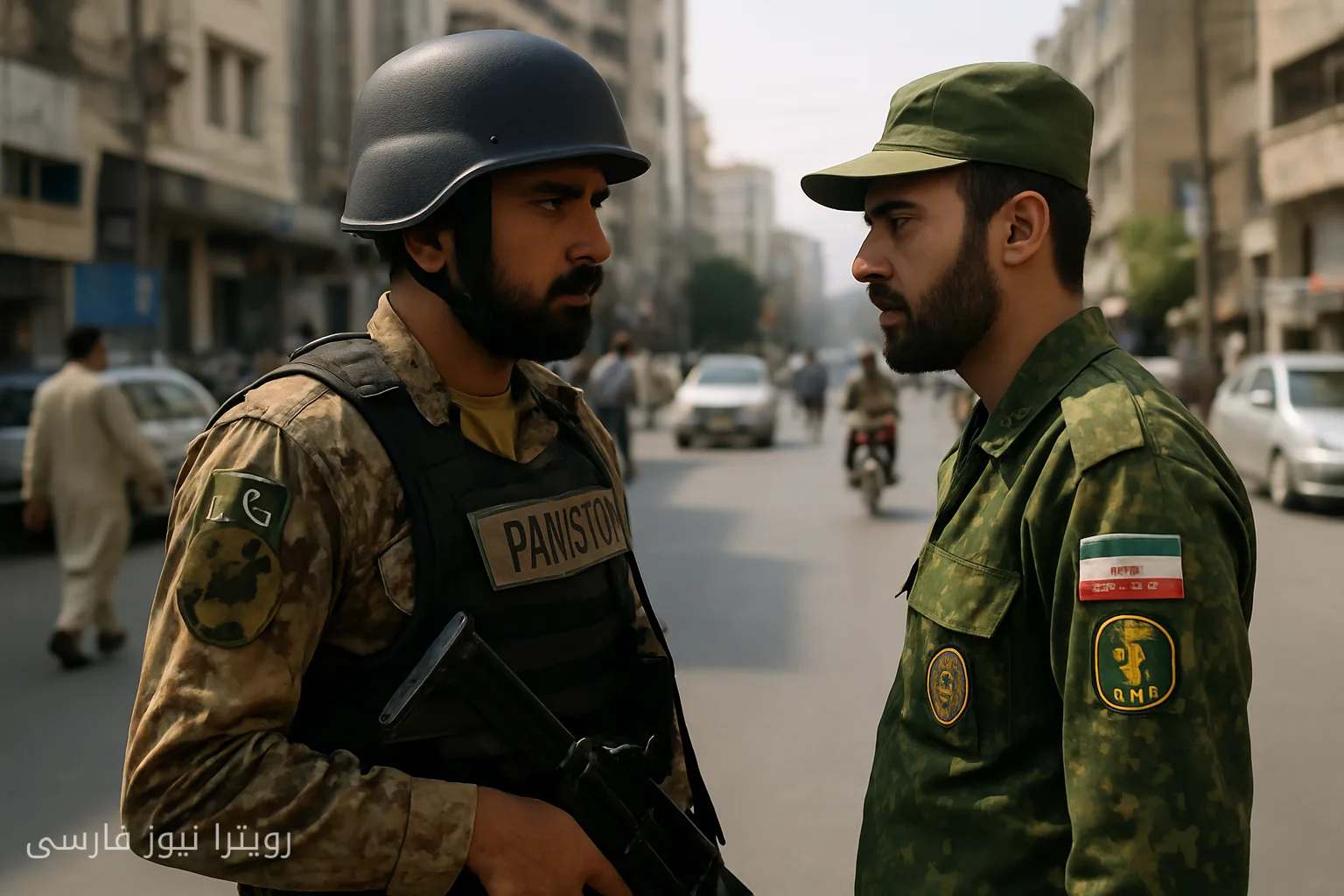
Regional tensions have once again escalated to a new level of crisis with Pakistan's warning to Iran. Following Saudi retaliatory attacks on Houthi positions, the Pakistani government has advised Tehran to exert greater control over the Houthi forces. This request is made at a time when the Houthis, as one of the active military groups in Yemen, are engaged in a years-long war with Saudi Arabia.
Serious Impacts on Regional Security
This warning has been issued not only due to the current situation in Yemen but also because of its potential implications for the security of the entire Gulf region. Pakistan, as a key player in regional security and military issues, is concerned that the continuation of tensions may lead to broader conflicts. Therefore, Islamabad, as a neighboring country and strategic partner of Iran, has asked Tehran to use its influence over the Houthis.
This request comes at a time when Saudi Arabia is responding vigorously to Houthi attacks, and this situation could have serious consequences for regional stability. Many analysts believe that a lack of control over the Houthis could lead to increased tensions and conflicts, jeopardizing the security of neighboring countries.
Iran's Diplomatic Challenges
This situation also creates more serious challenges for Iran's diplomacy. Iran has always been recognized as the main supporter of the Houthis, and this warning from Pakistan puts additional pressure on Tehran to reassess its role in this crisis. If Iran fails to maintain control over the Houthis, it may face more negative consequences, which could include further sanctions or diplomatic isolation.
Ultimately, this warning from Pakistan is seen not only as a serious message to Iran but also as an indication of changes in regional friendships and the need for greater cooperation among neighboring countries to maintain security and stability in the Gulf.