Pepco Group is looking to expand its production base to the African continent to diversify its supply chains following disruptions caused by geopolitical instabilities. This move comes in response to disruptions in global transportation routes after the escalation of conflicts in Iran this year and also takes into account the existing pressures related to Houthi threats in the southern Red Sea.
Transportation Challenges and Rising Costs
Transportation companies are rerouting ships from Asia to Europe via the Cape of Good Hope to avoid these threats, which has increased transit times and raised shipping costs. Javier Rubio Fueyo, Pepco's Global Sourcing and Supply Chain Director, stated in an interview: "Unpredictability has become a new normal for supply chains. This situation is also new for the entire retail sector."
Searching for New Sourcing
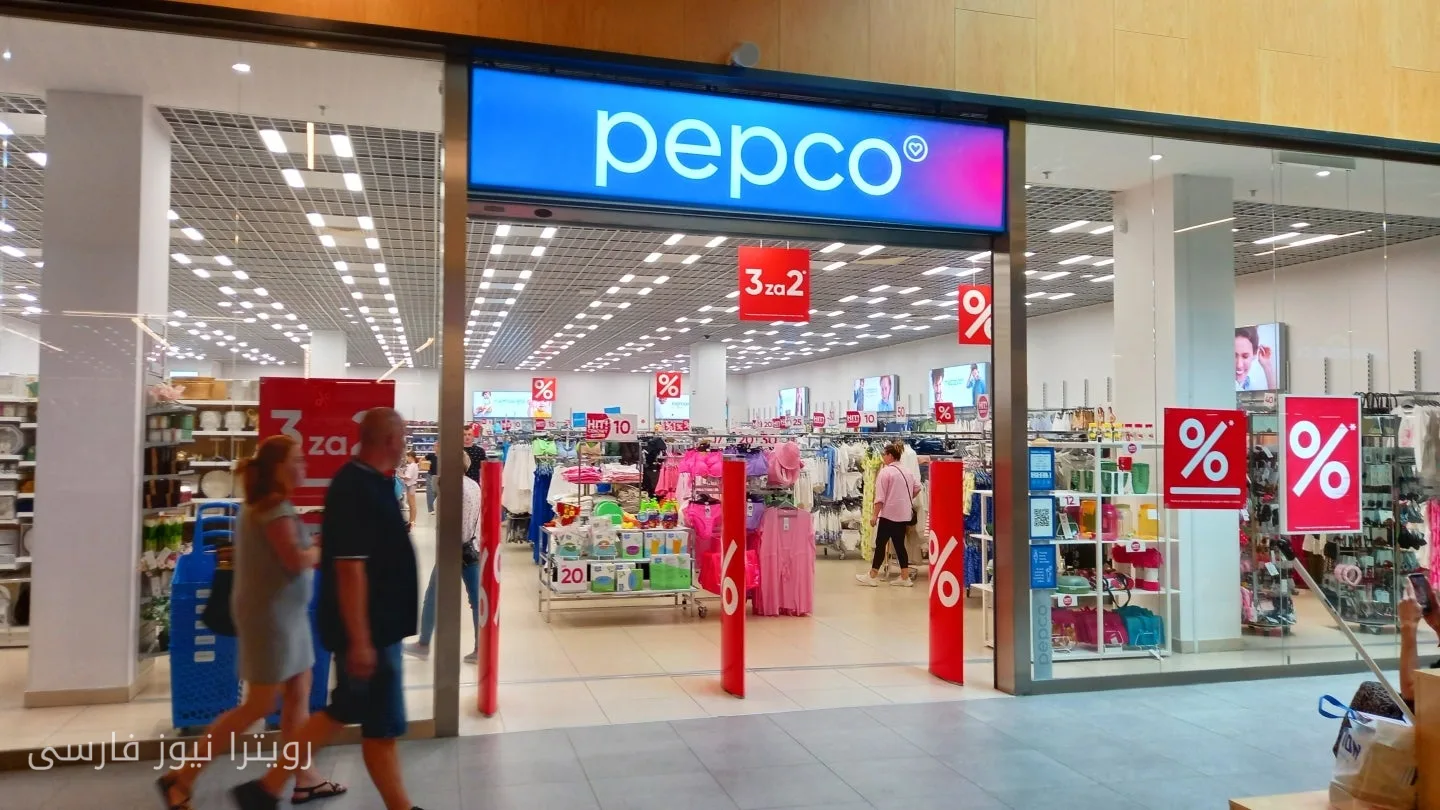
Most toys, household goods, and clothing sold through Pepco's 4,000 stores across about 18 European countries are shipped by sea from Asia, and these routes mainly pass through southern Africa. Pepco has stated that its reliance on this long and complex supply chain is the reason for its search for alternative sourcing locations, including in Africa.
Pepco also noted that the existing sourcing model with longer delivery times has largely shielded them from the initial impacts of these disruptions, unlike fast fashion competitors who rely on rapid seasonal sourcing.
For short-term fluctuations, Pepco is using a combination of standard sea freight and a premium express shipping service from the Far East to Europe, which reduces delivery times by two to three weeks. The company significantly utilized this express service in August to manage disruptions caused by storms in China but expects to rely on it less in September.
Standard shipping accounts for 85 percent of Pepco's regular shipments, while the premium option constitutes 10 to 15 percent depending on market conditions. Air freight makes up less than 1 percent of total shipments.
Pepco guarantees annual rates for both shipping options to avoid what Fueyo describes as "unreasonable market rates." Additionally, the retailer is exploring the use of artificial intelligence to improve transit time forecasting. Fueyo mentioned that achieving full supply chain diversification may take three to five years.
As part of a comprehensive logistics review, Pepco is preparing to open a distribution center near the port city of Gdansk on the Baltic Sea. The group is also accelerating its expansion in Western Europe and plans to open at least 600 new stores in existing markets between fiscal years 2027 and 2030.